The Barrister Who Never Went to Law School: Adams Oshiomhole and the Art of Speaking from Both Sides of the Mouth by Lawson Akhigbe
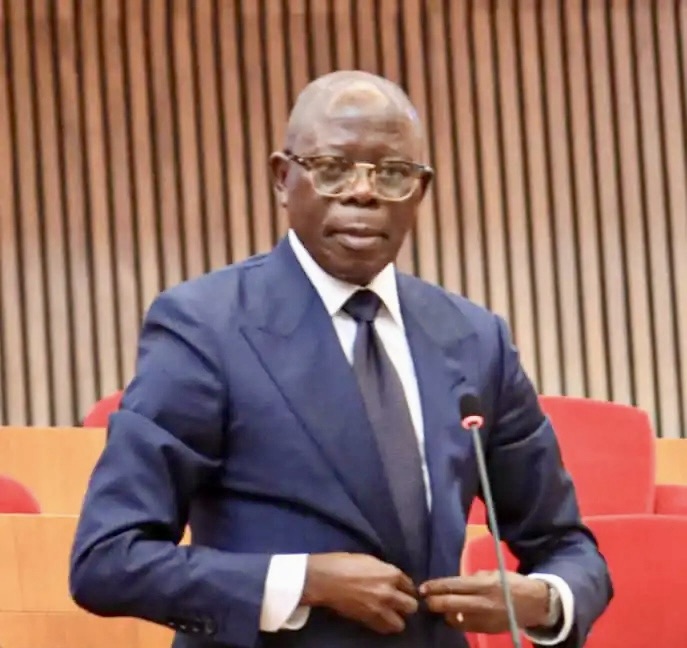
Adams Oshiomhole is that rare Nigerian political specimen who managed to climb from factory floor to labour presidency, state house, party chairmanship and the red chamber without the inconvenience of a published higher educational attainment. Self-taught, they say. One imagines him in some dimly lit corner of history, devouring political manuals by candlelight while the rest of his compatriots were busy collecting certificates that later proved about as useful as a raincoat in the Sahara.

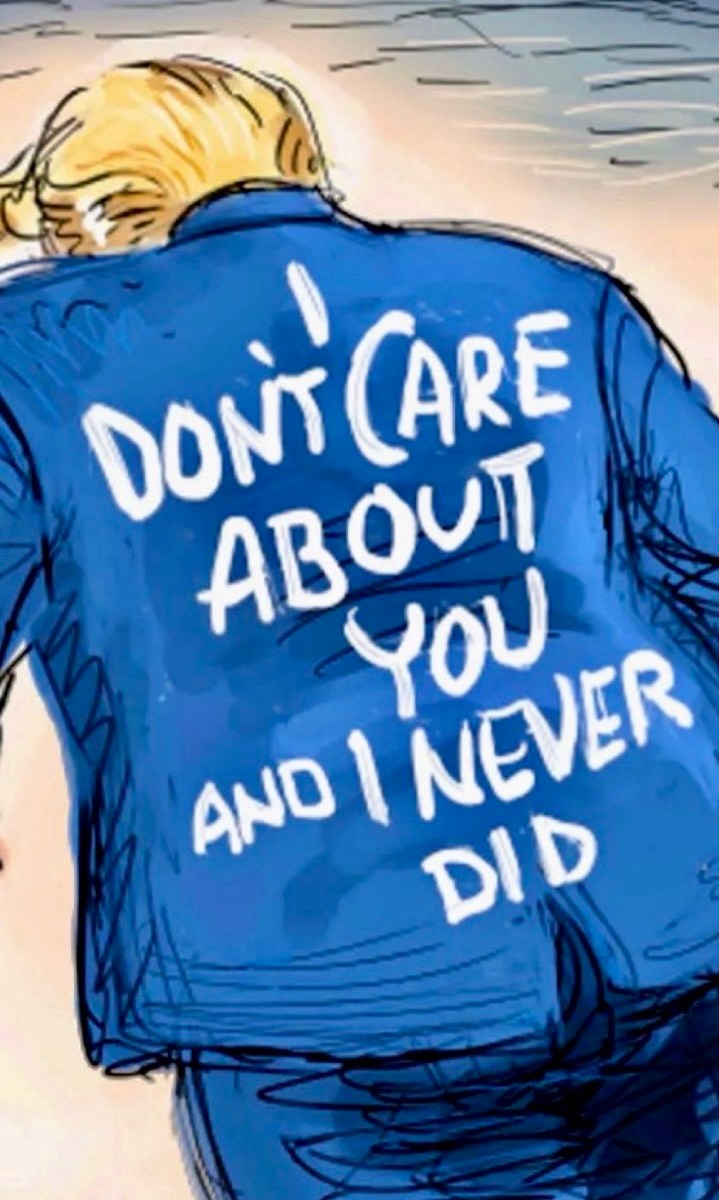
The 3pm Call: America’s Midterm Test of Judgment

It was 2008. The country was being asked to choose a president, and Clinton’s famous campaign advertisement presented the image of sleeping children, a ringing telephone in the White House and a question: Who do you want answering the phone?

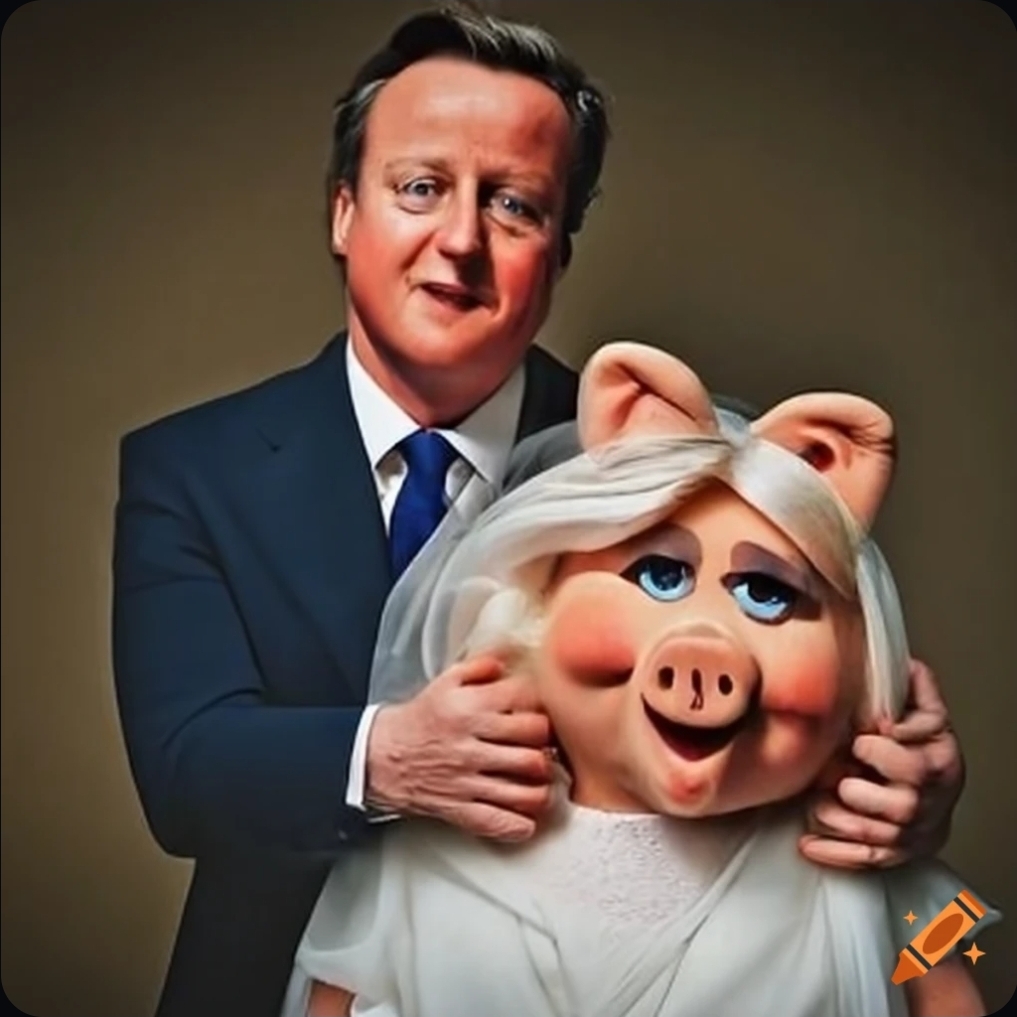
David Cameron: The Prime Minister Who Kept Proving Enoch Powell Right

Enoch Powell famously observed that “all political careers end in failure.” Whether one agrees with the man or not, the aphorism has endured because politics is an unforgiving profession. Few modern British politicians illustrate it more vividly than David Cameron.

Carry On Terror Far Right Edition by Lawson Akhigbe

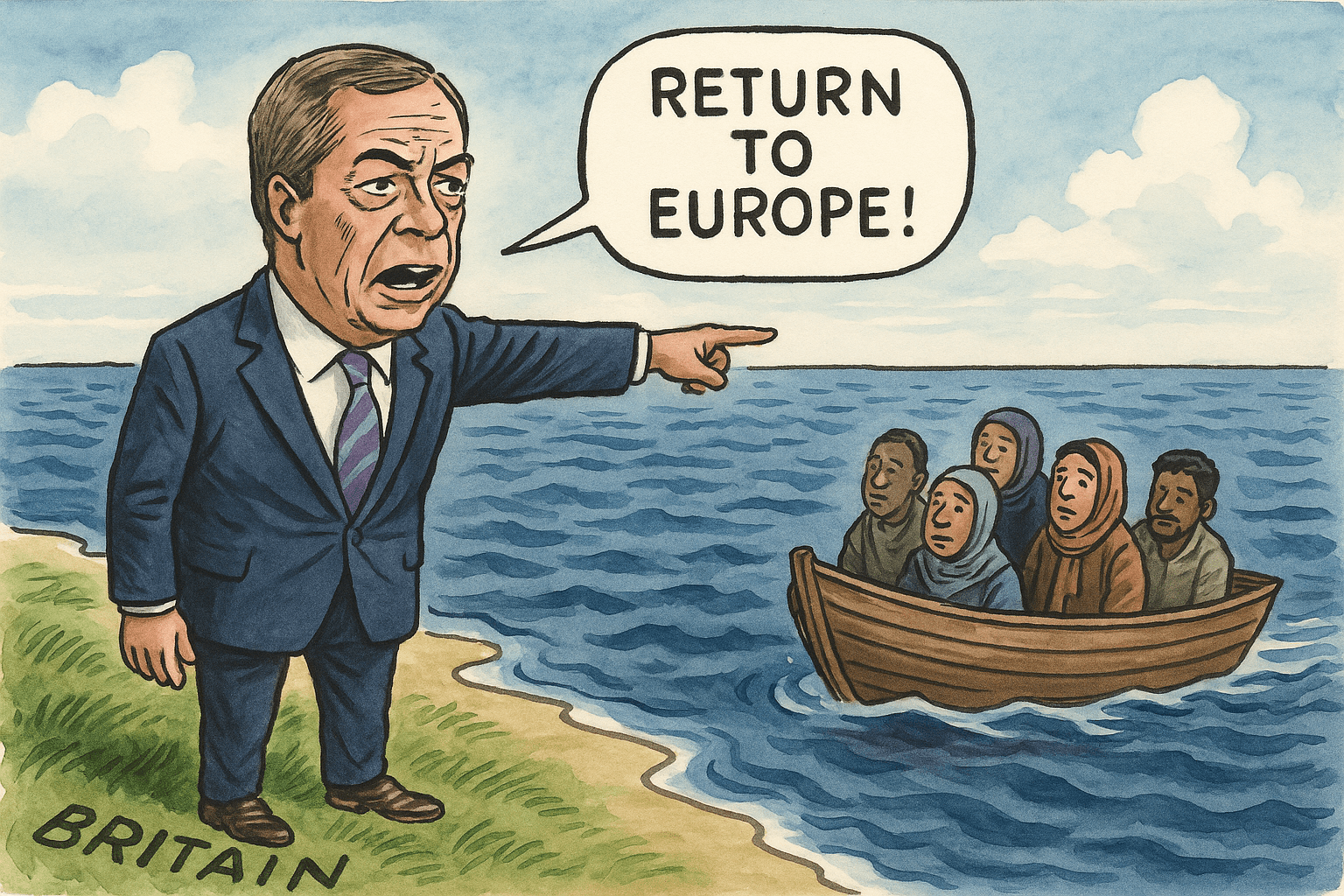
Every crisis deserves a prompt, and the far right is nothing if not punctual. Five men were arrested early on a Sunday near RAF Fairford, the Gloucestershire base from which US B-1 bombers have flown missions against Iran, after a local farmer noticed three white vans heading towards it. Bomb disposal robots trundled about the woods, and dozens of villagers were bundled out of their homes. Nigel Farage, meanwhile, had already left the building, intellectually speaking.

Kemi Badenoch and the economy: a plan stuck in the Tory comfort zone by The Guardian Editorial

To outlast a prime minister always counts as some kind of achievement for an opposition leader, although Kemi Badenoch cannot claim credit for Sir Keir Starmer’s downfall. Sir Keir’s wounds were mostly self-inflicted. To the extent that opposition pressure was involved, it was electoral threats from Reform UK and the Green party that stoked Labour party frustration to a regicidal pitch. The Tory leader’s role was largely as a spectator.