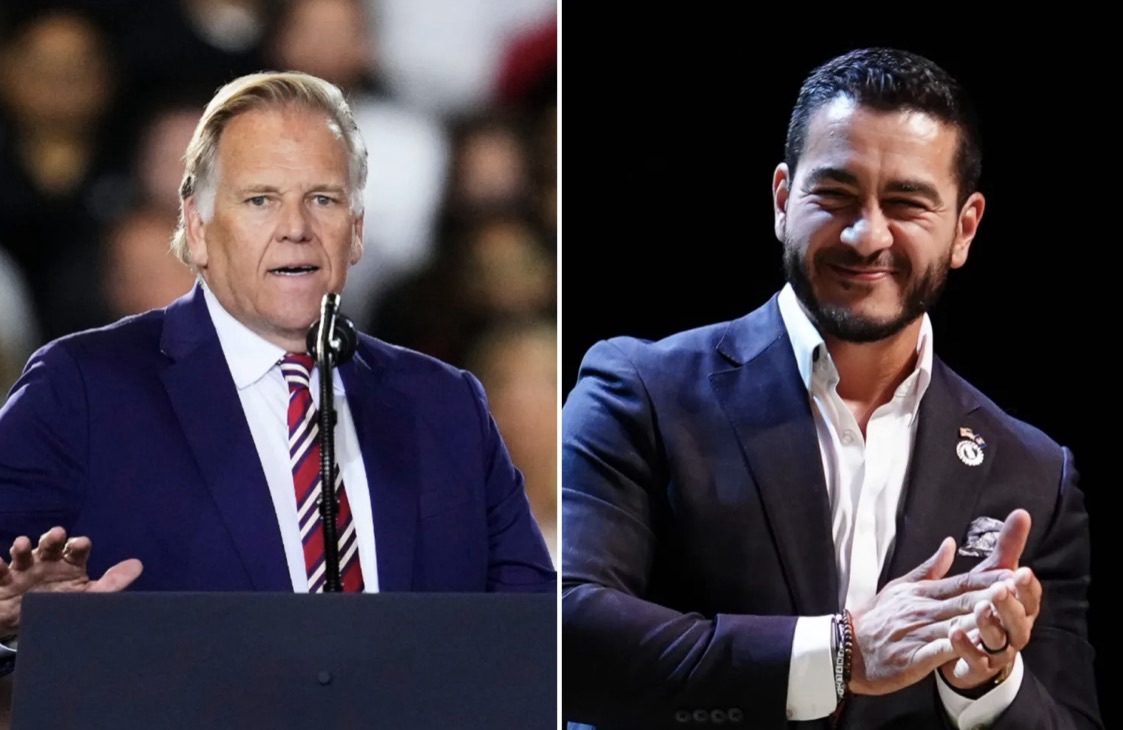
There was a time when Mike Rogers occupied a particular place in my understanding of American politics. He appeared to belong to that category of Republican politicians who, whatever their ideological differences with Democrats, understood that national security was too serious a business to be reduced to partisan theatre. He was measured, disciplined, informed and, above all, appeared to be a man who understood the difference between intelligence work and political propaganda.
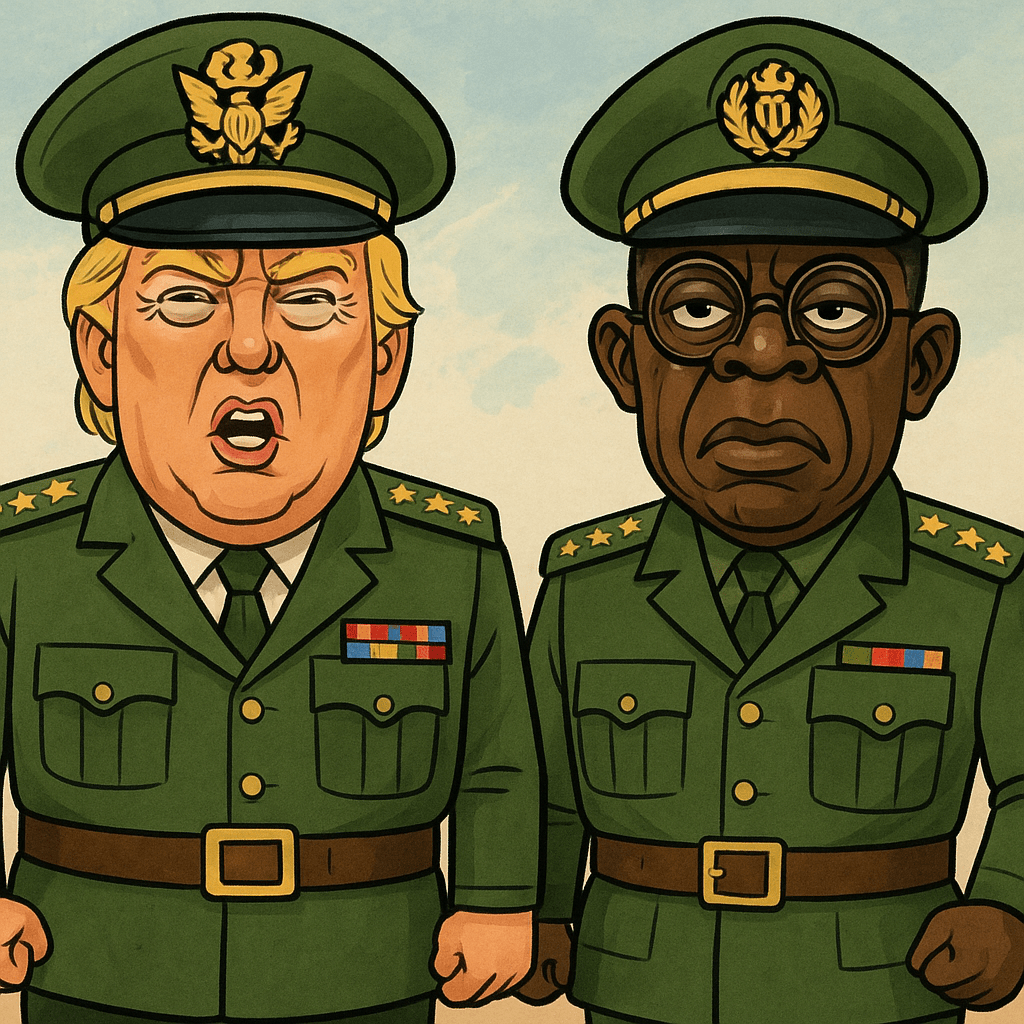
The Insignia of Power: Tinubu, Trump and the Politics of Emptiness by Lawson Akhigbe
When a leader becomes more interested in the symbol of his authority than the substance of his government, politics begins to resemble a cult. The insignia becomes the message, the slogan becomes the policy, and the citizen is expected to admire the packaging while living with the consequences.
The fertile world of Nigerian Pidgin English by Lawson Akhigbe
Urban Nigerians still speak a fantastic blend of languages, and the mixture has only grown richer, louder and more useful with time.
All Quiet on the Western Front (Benin City Edition): The Great CCTV Ghost Town by Lawson Akhigbe
Remember six months ago when the Edo State government decided it was moonlight-and-magic time for law enforcement? With the flourish of a decree and a fanfare that probably woke up the entire length of Akpakpava Road, officials announced that every single business in Benin City must install closed-circuit television (CCTV).
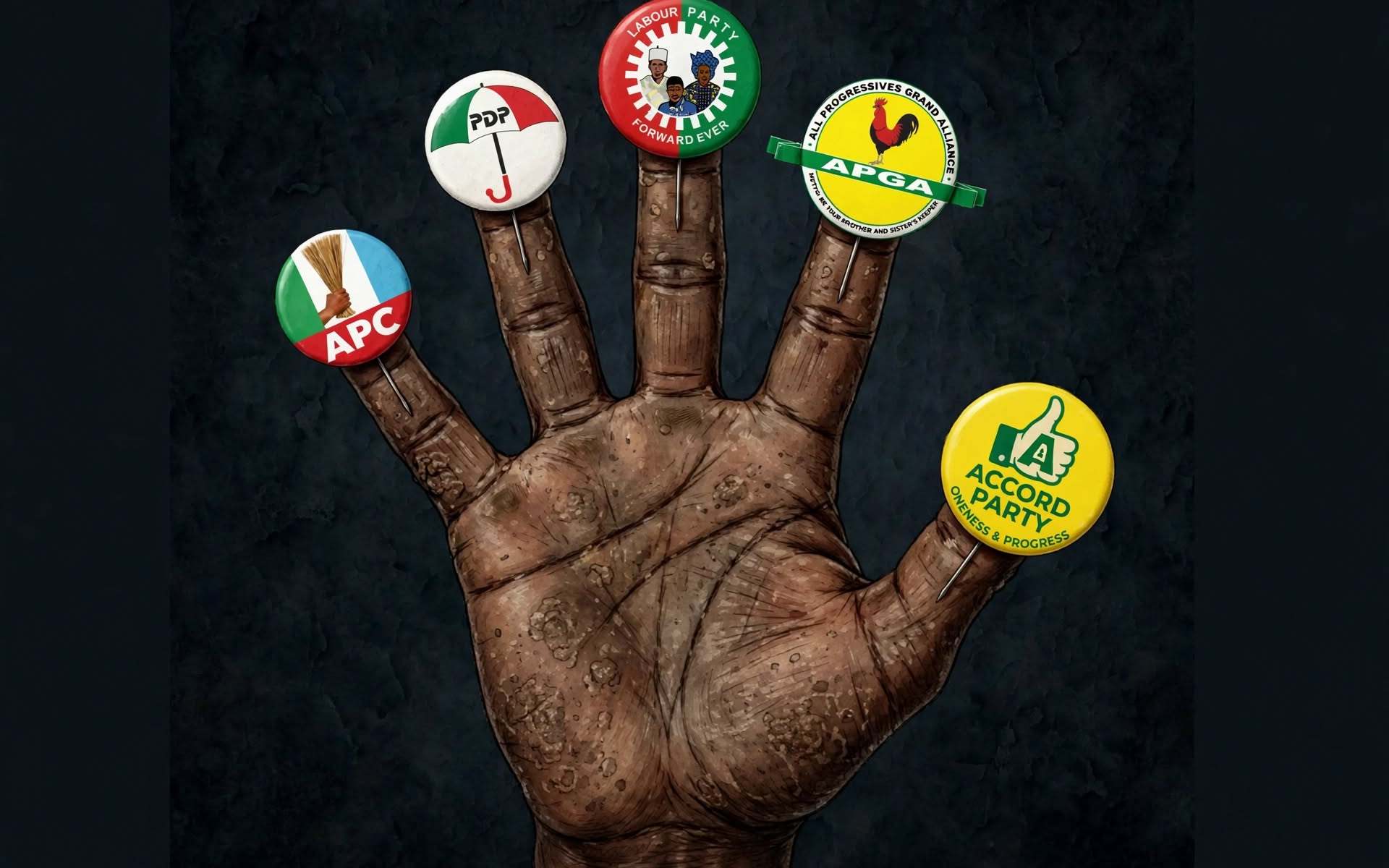
Tinubu’s Political Consolidation: A Democratic Abacha? By Lawson Akhigbe
President Tinubu has inherited a constitutional system in which political parties are legally entitled to compete, governors possess electoral mandates, and opposition parties can challenge the government without seeking permission from the president. These are fundamental differences between the Fourth Republic and Abacha’s military dictatorship.