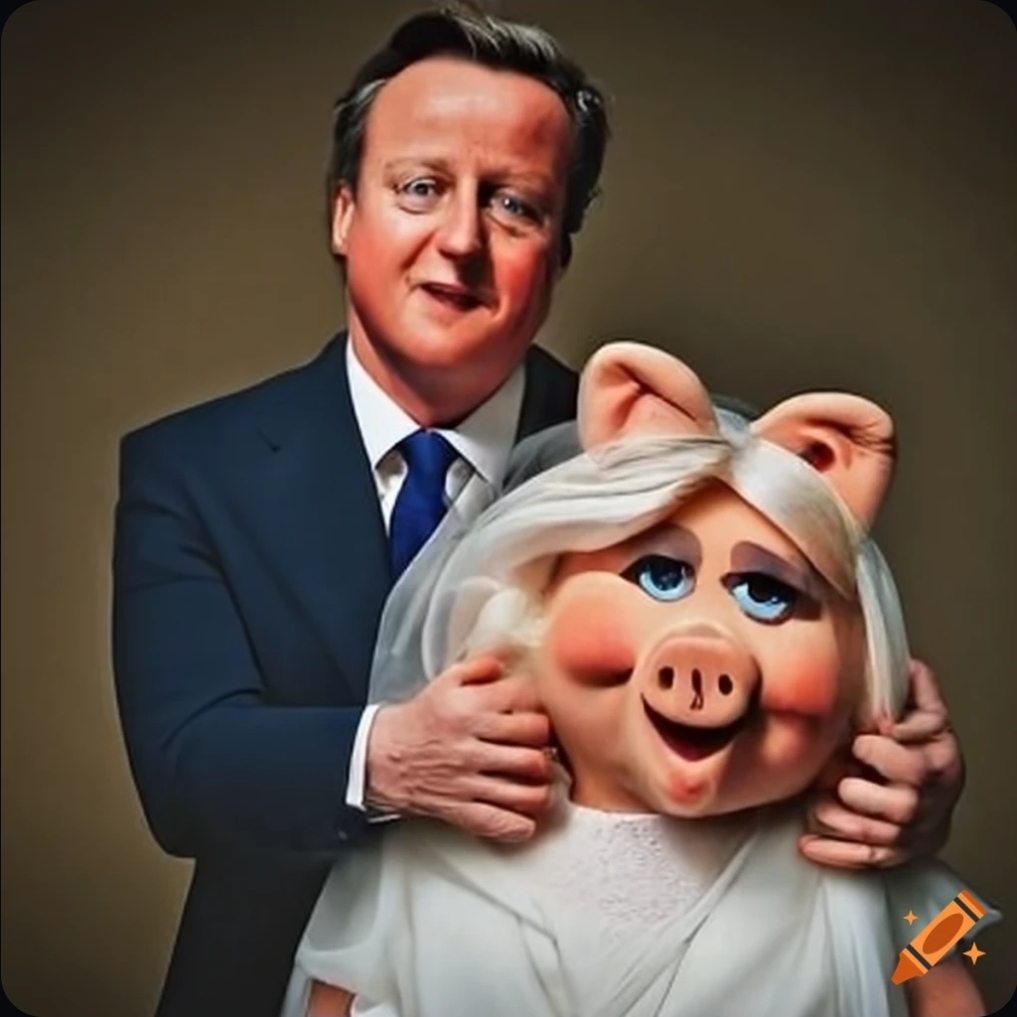
When a British-born Black politician is told that his loyalty belongs elsewhere, the question is no longer merely about immigration or patriotism. It is about who gets to decide who truly belongs to Britain.
David Cameron: The Prime Minister Who Kept Proving Enoch Powell Right
Enoch Powell famously observed that “all political careers end in failure.” Whether one agrees with the man or not, the aphorism has endured because politics is an unforgiving profession. Few modern British politicians illustrate it more vividly than David Cameron.
Kemi Badenoch and the economy: a plan stuck in the Tory comfort zone by The Guardian Editorial
To outlast a prime minister always counts as some kind of achievement for an opposition leader, although Kemi Badenoch cannot claim credit for Sir Keir Starmer’s downfall. Sir Keir’s wounds were mostly self-inflicted. To the extent that opposition pressure was involved, it was electoral threats from Reform UK and the Green party that stoked Labour party frustration to a regicidal pitch. The Tory leader’s role was largely as a spectator.
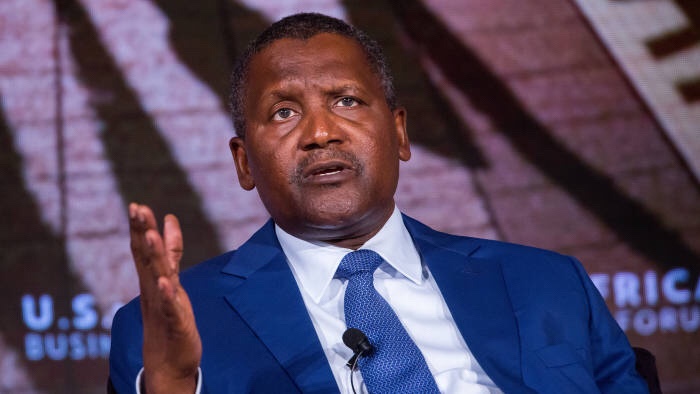
Shares for the Many, Not the Few: What Dangote’s IPO Owes to Margaret Thatcher, and What It Might Teach Her Country by Lawson Akhigbe
The theory behind all of it, gas, telecoms, water, rail, was called popular capitalism, and it rested on a wager: that if enough ordinary Britons held shares directly, they would develop a stake, literal and psychological, in the fiscal health of the nation. Capitalism would stop being something done to people and start being something done by them.
NATIONS, TRIBES, AND THE GRAMMAR OF EMPIRE: On why the Scots get a parliament and the Yoruba get an anthropologist By Lawson Akhigbe
Scotland has a parliament, a flag, a football team that loses with tremendous dignity, and roughly the population of Lagos’s Ikeja Local Government Area. The Yoruba nation and I use the word advisedly has an empire’s worth of history, a written and oral constitutional tradition running from Ile-Ife through the Oyo Mesi and the Alaafin’s checks and balances, a diaspora spanning three continents, and something in the region of forty million native speakers. One of these is routinely described in the Financial Times as a nation debating its constitutional future. The other is routinely described, by the same publication, as a tribe engaged in an ethnic dispute. I invite the reader to spot the empirical difference. I have been looking for thirty years and have found only prejudice wearing a monocle.