The EFCC’s Selective Deafness: When ‘Naira Abuse’ Meets Political Convenience by Lawson Akhigbe

Of course not. Tompolo did not fly to Abuja; Abuja knows better than to disturb the peace of Oporoza. In Tompolo's case, the EFCC suddenly discovered a highly sophisticated, deeply sensitive legal tool known as prosecutorial discretion. This is the common-sense power of law enforcement to say: "Yes, technically a rule was broken, but pursuing this would be silly, counterproductive, or trivial."

Amen Edore Oyakhire 

Amen Edore Oyakhire (born 21 October 1945) was the Military Administrator of Taraba State between August 1996 and August 1998 during the military regime of General Sani Abacha. He was then administrator of Oyo State during the transitional regime of General Abdulsalami Abubakar, handing over to the elected civilian governor Lam Adesina in May 1999 at the start of the Fourth Republic.

Ozalla: When 27 Nigerians Died and the Law Looked Away by Lawson Akhigbe

In 2004, in the heart of Edo State, 27 people reportedly lost their lives in circumstances so horrifying that they read less like a contemporary news report and more like a medieval witch trial.

The Trump World by Lawson Akhigbe

There is a particular cruelty in a medical report. Unlike a political speech, a budget forecast, or an election manifesto all genres of creative literature to which democratic publics have made a resigned peace a medical report carries with it the residual authority of science. When a doctor speaks, we are conditioned, in some prelinguistic way, to believe them. Which is precisely why what has happened to American presidential medicine under Donald Trump is so arresting. The clinic has been converted into a theatre, the stethoscope swapped for a megaphone, and the diagnosis subordinated entirely to the demands of the narrative.

Sahel Regional Security Dynamics: A Multifaceted Analysis (as of late 2025–early 2026)

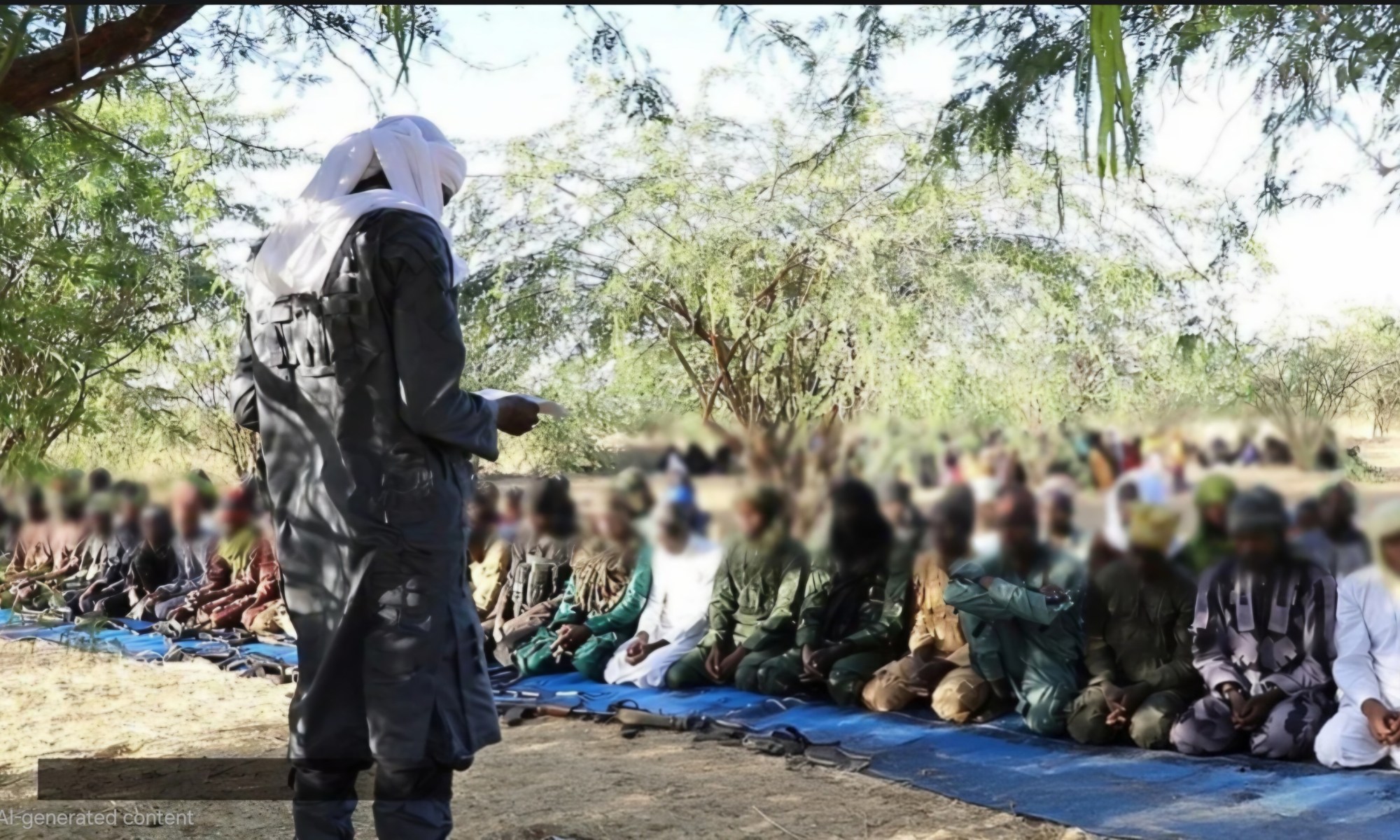
The modern Sahel crisis traces back to the 2011 Libyan collapse, which flooded the region with weapons and fighters, reigniting Tuareg rebellions in northern Mali in 2012. This enabled Islamist groups to seize territory, leading to French intervention (Operation Serval in 2013, later Barkhane). Initial gains were undermined by persistent weak governance: corruption, urban-rural divides, ethnic tensions (e.g., Fulani pastoralists vs. agricultural communities), and state absence in rural peripheries.