There is an old saying in Nigerian governance that has practically become an article of faith: "We don’t have a money problem; we have a spending problem."
The Great Nigerian Magic Trick: More Revenue, More Debt, Less Breath by Lawson Akhigbe


Reporting News and Opinions
There is an old saying in Nigerian governance that has practically become an article of faith: "We don’t have a money problem; we have a spending problem."
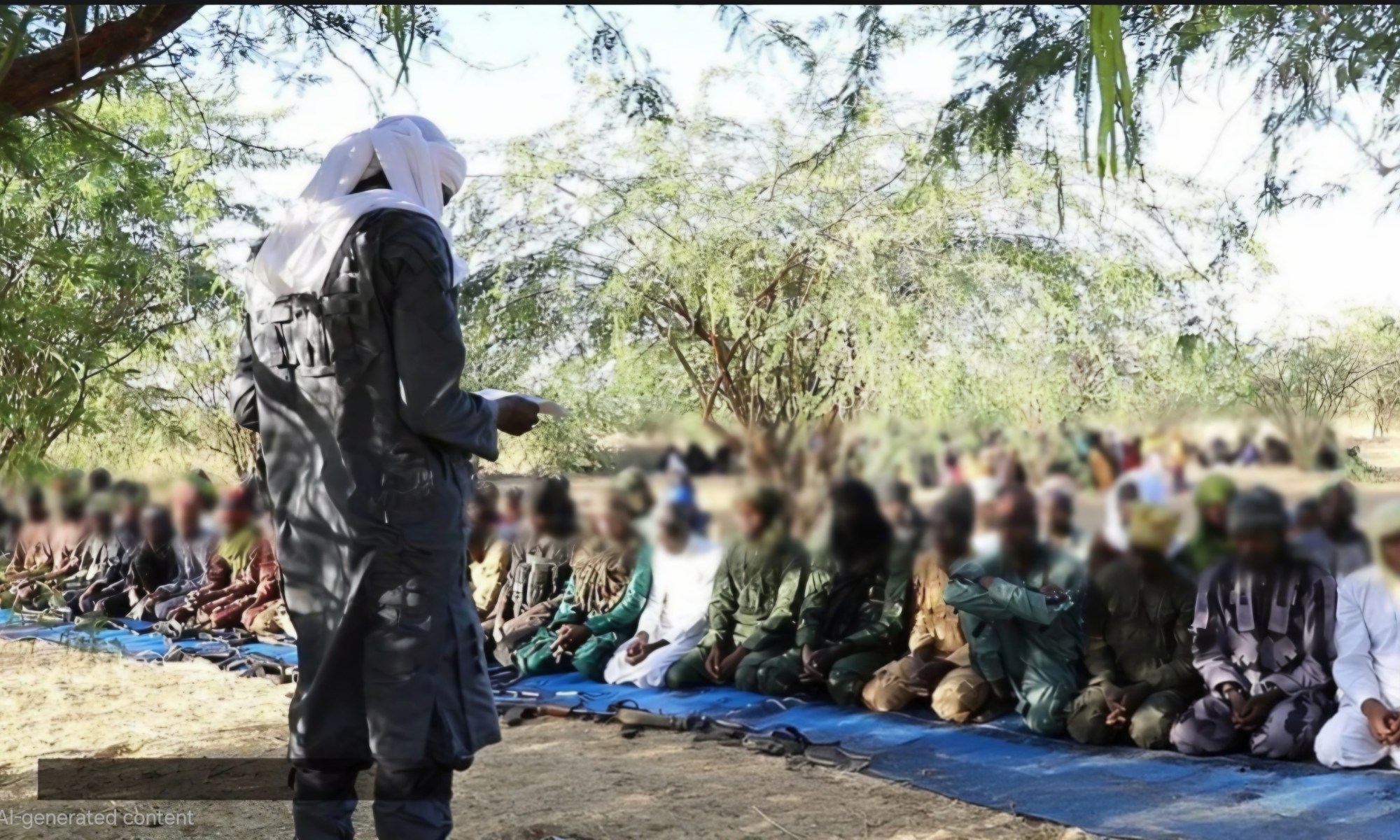
Despite Nigeria's assessment, the emerging consensus was that Lakurawa was not a unified entity but rather an umbrella term, and that attacks attributed to the group were likely perpetrated by a mix of Islamic State Sahel Province (ISSP). JNIM, bandits. and potentially a separate new group operating under the label without claiming responsibility.

The prosecution says he cannot be trusted because he once faced disciplinary proceedings in another jurisdiction decades ago. Yet even if every fact of that matter is accepted, the question before this court remains simple: what relevance does an event from more than twenty years ago have to allegations made today?
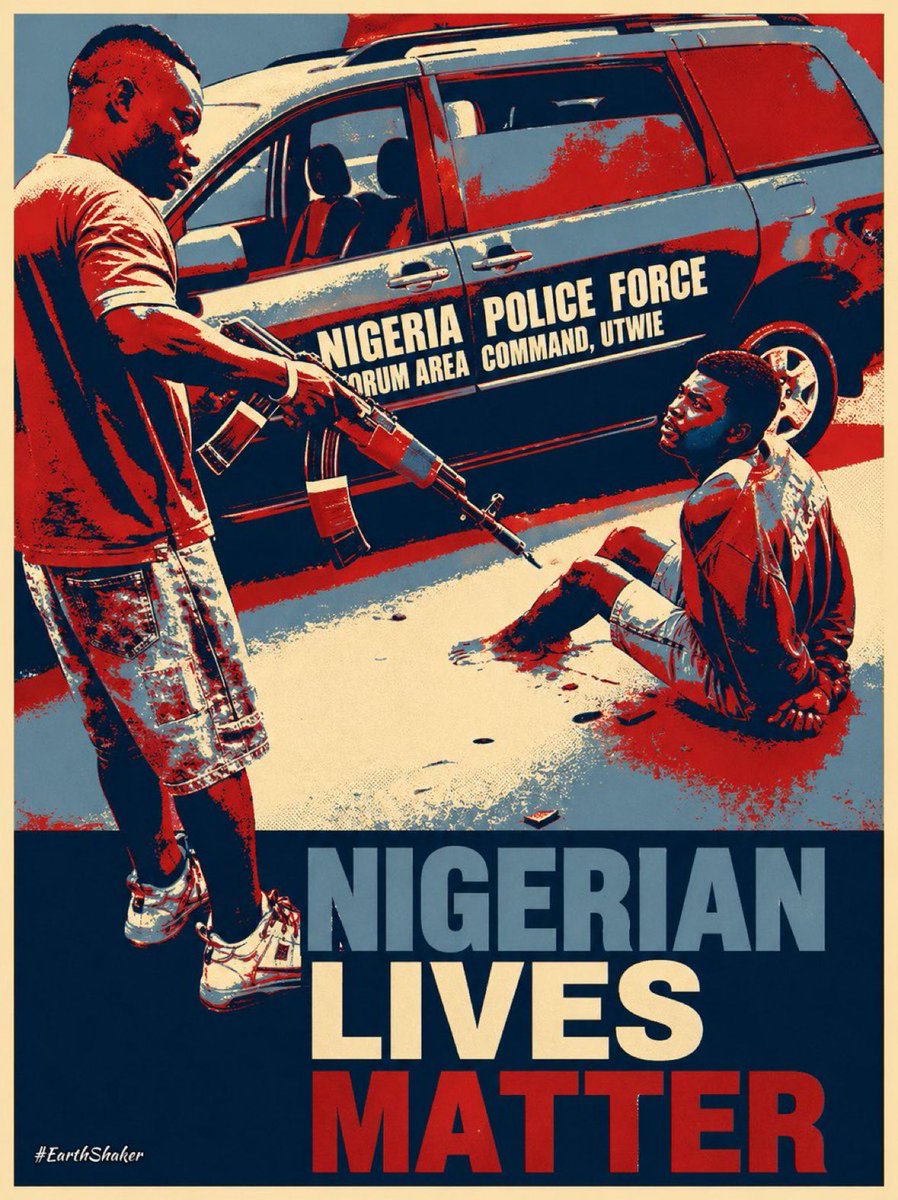
To understand the modern Nigerian Police Force, one must first understand its origins. The uncomfortable truth is that the institution was never created to protect ordinary Nigerians. It was established to protect the interests of those who ruled Nigeria, first the British colonial administration and later the Nigerian political elite that inherited the colonial state.
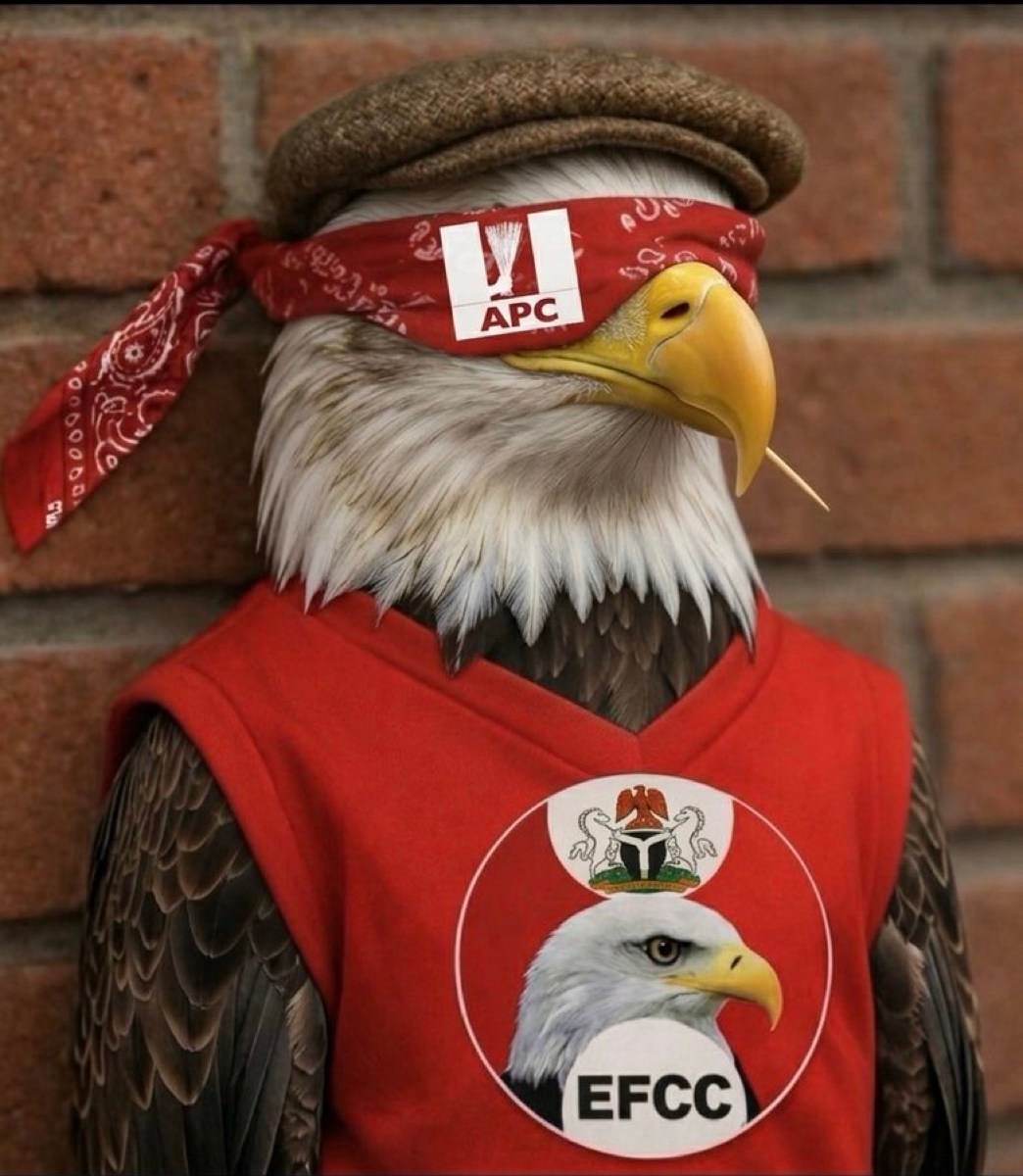
Of course not. Tompolo did not fly to Abuja; Abuja knows better than to disturb the peace of Oporoza. In Tompolo's case, the EFCC suddenly discovered a highly sophisticated, deeply sensitive legal tool known as prosecutorial discretion. This is the common-sense power of law enforcement to say: "Yes, technically a rule was broken, but pursuing this would be silly, counterproductive, or trivial."

