The UN’s top disarmament official expressed regret that weapons continued to fuel violence in communities long after wars ended, causing devastation across once peaceful communities.
Looted weapons from Libya found with Nigerian extremists – UN


Reporting News and opinions
The UN’s top disarmament official expressed regret that weapons continued to fuel violence in communities long after wars ended, causing devastation across once peaceful communities.

Ghana, our garrulous neighbour and perennial older-sibling-by-comparison, is not a rich country. Its currency has had its own well-documented indignities. Its unemployment figures would not shame anyone into silence at a dinner party in Lagos. And yet Ghana has not produced, at scale, the particular species of moral vacancy that Nigeria now exports more reliably than crude oil. The difference is not GDP. It is something closer to what economists, in their limited vocabulary, have no line item for: a poverty of the spirit, and it is this poverty, not the one in the spreadsheets, that is bankrupting the country in ways no IMF facility can restructure.
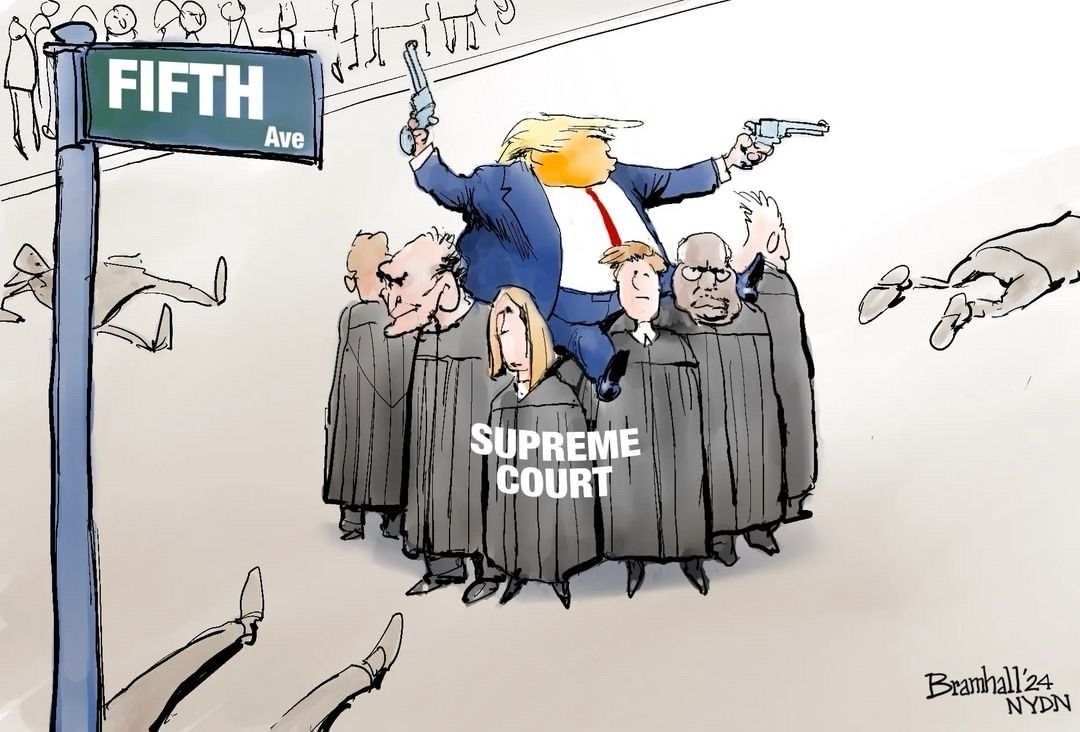
Every generation seems to produce its own undertakers, its own mourners and its own carefully worded obituary announcing that the republic is finally approaching the end.

There is a peculiarly Nigerian brand of optimism that believes the Supreme Court exists to do the dirty work politicians were too distracted to handle during campaign season. Whenever an election outcome tastes like ash, the losing side inevitably sprints to the appellate bench clutching heavy binders, confident that the judiciary will casually unravel an entire presidential mandate on a crisp technicality.

Nigeria is once again standing at a constitutional crossroads. The growing insecurity across the federation, from banditry in the North-West, secessionist violence in the South-East, kidnapping in the South-South, farmer-herder clashes in the Middle Belt, and urban criminality in Lagos and Abuja, has pushed the debate over state police from intellectual seminars into the centre of national survival.

