From Governor Akpabio to Senate President Akpabio via Ministry of Niger Delta: When the Niger Delta’s Biggest Enemy remain in Government by Lawson Akhigbe

Back in 2017, human rights lawyer Inibehe Effiong caused a stir when he accused former Akwa Ibom governor Godswill Akpabio of looting the state treasury on a scale that could fund neighbouring Ebonyi State for decades.

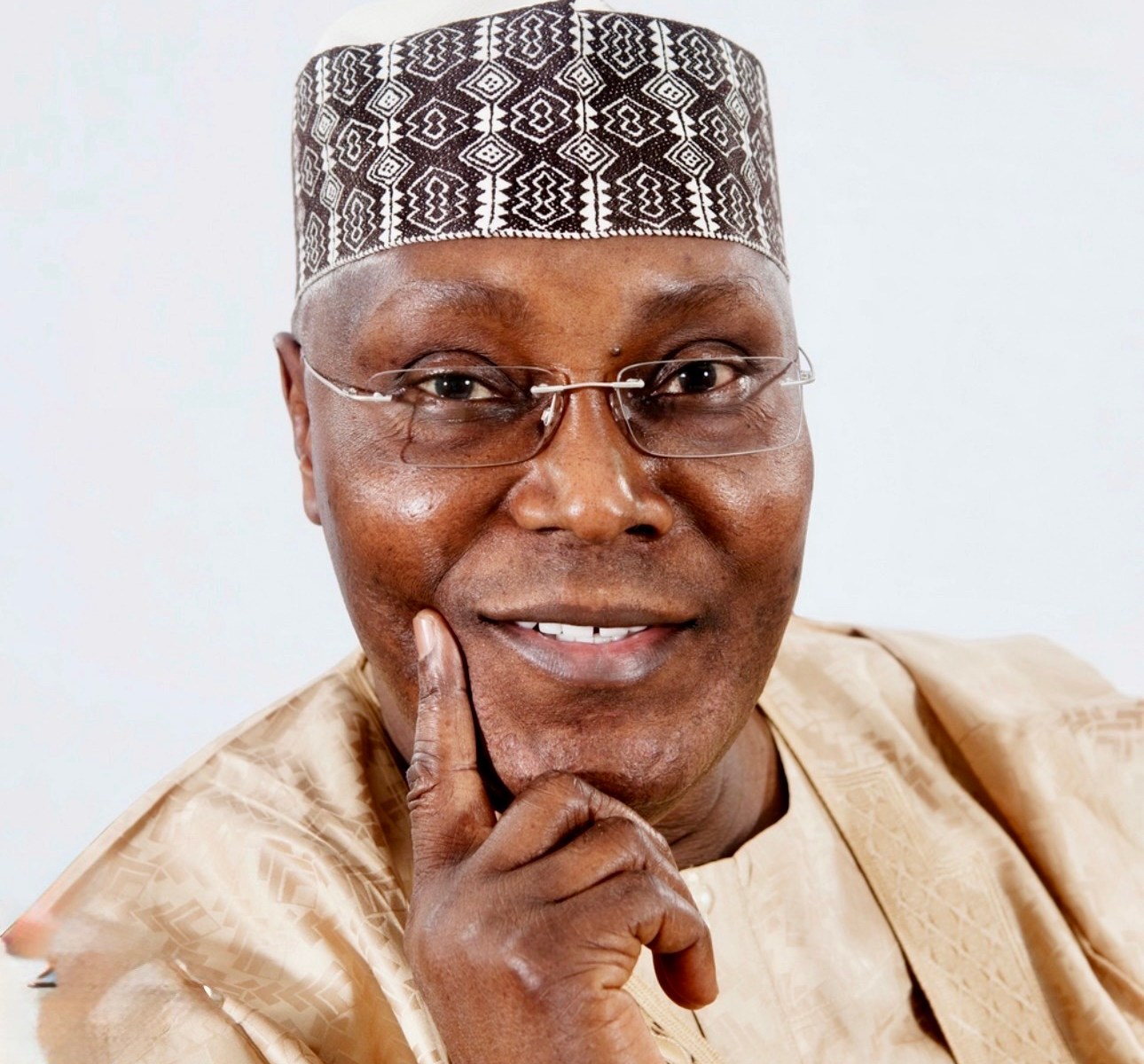
Twenty Years Late and Several Republics Short: On EJ, Atiku and Nigeria’s Habit of Reheating Cold Corruption by Lawson Akhigbe

In 1999, Olusegun Obasanjo and Atiku Abubakar rode into Aso Rock together, a presidential double act that Nigerians assumed would age like most political marriages: quietly, then not at all. They survived one term. They won a second in 2003. Then, somewhere in that second term, Obasanjo discovered a constitutional itch that the 1999 Constitution's two term, eight year ceiling on the presidency simply would not scratch. He wanted a third term. Atiku, nursing a presidential ambition of his own and possessed of the inconvenient habit of reading the Constitution literally, said so publicly. The friendship ended there.

The Safe Place for Bigotry and Crime by Lawson Akhigbe

It has no postcode. It does not appear on Google Maps. There are no street signs pointing towards it. Yet, whenever one of its inhabitants is caught saying something outrageous or doing something politically or legally questionable, suddenly we are told that the offending words or conduct belonged there.

The Moths to the Flame: Why Do Populist Movements Always Attract Such “Enterprising” Characters? By Lawson Akhigbe

There is an eternal, almost Newtonian law of modern politics: wherever a politician loudly proclaims they are "standing up for the forgotten working man," you will inevitably find a discreet corner table in a private Mayfair club where someone is eagerly trying to launder foreign money.

WHEN THE FINE OUTLASTS THE SENTENCE: NIGERIA’S DIPLOMACY OF THE UNCOMPELLED By Lawson Akhigbe

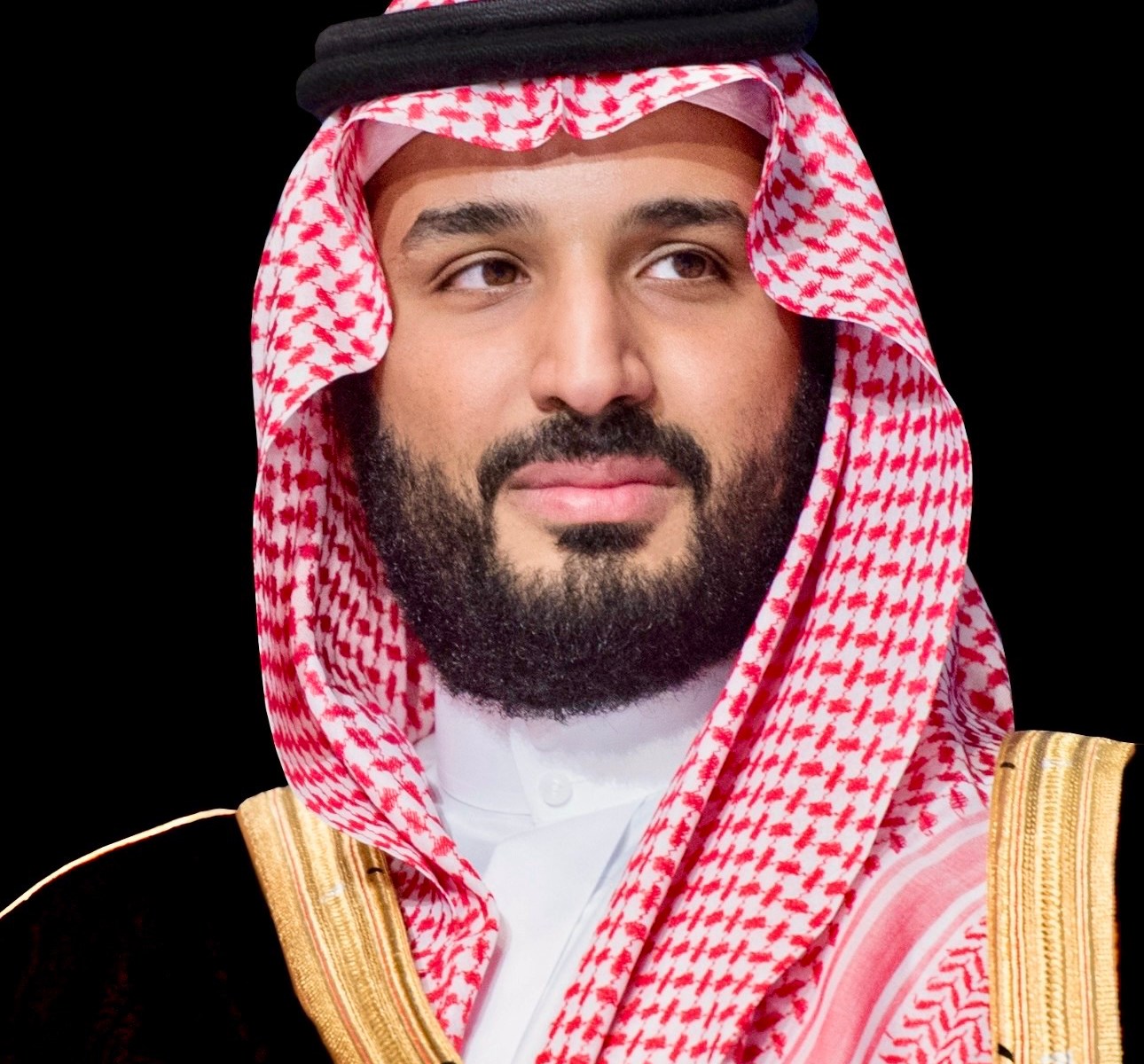
Ambassador Yakubu Gambo did Nigeria the rare courtesy of telling the truth in public, which in the diplomatic trade counts as a small scandal in itself. Standing before Abike Dabiri-Erewa at NiDCOM’s Abuja headquarters, he confirmed what families of the detained have known for years without an official ever saying it plainly: Nigerians who have finished serving their Saudi jail terms remain locked up anyway, held hostage to fines they cannot pay and a government that has not worked out how to pay them either. He framed it as a welfare concern, a matter for coordination and consolidation of diaspora associations under one umbrella. It is, more accurately, a description of a state that has run out of leverage and is calling the shortfall a strategy.