

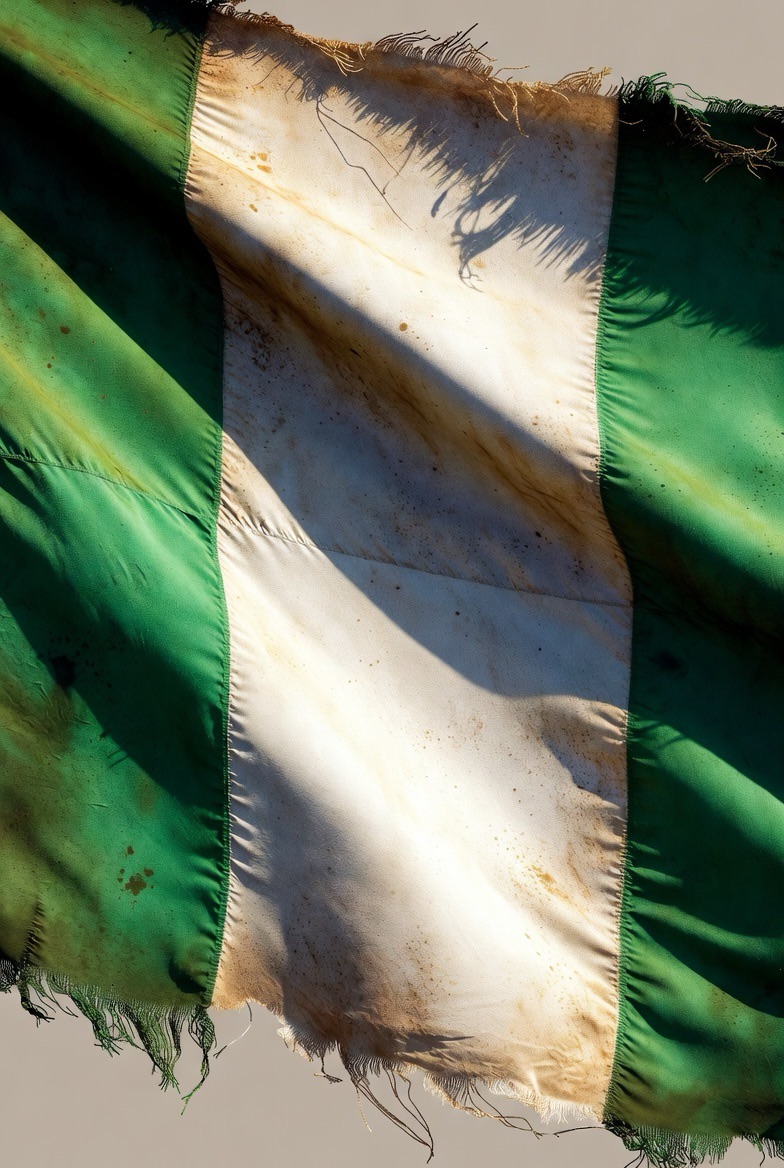
There are days when following Nigerian politics feels less like observing a nation and more like watching a biblical tragedy unfold in slow motion.
At moments of peak frustration, one is tempted to conclude that Nigeria has become a modern-day Sodom and Gomorrah; a place so committed to self-destruction that even the gods have abandoned any rescue plan and are simply waiting for the final chapter.
This is not a conclusion reached lightly. It emerges from decades of watching a country blessed with extraordinary human and natural resources repeatedly choose the path of maximum dysfunction. Every generation produces reformers, visionaries, activists and patriots convinced that they can alter the nation’s course. Yet Nigeria has a remarkable ability to consume such individuals and continue exactly as before.
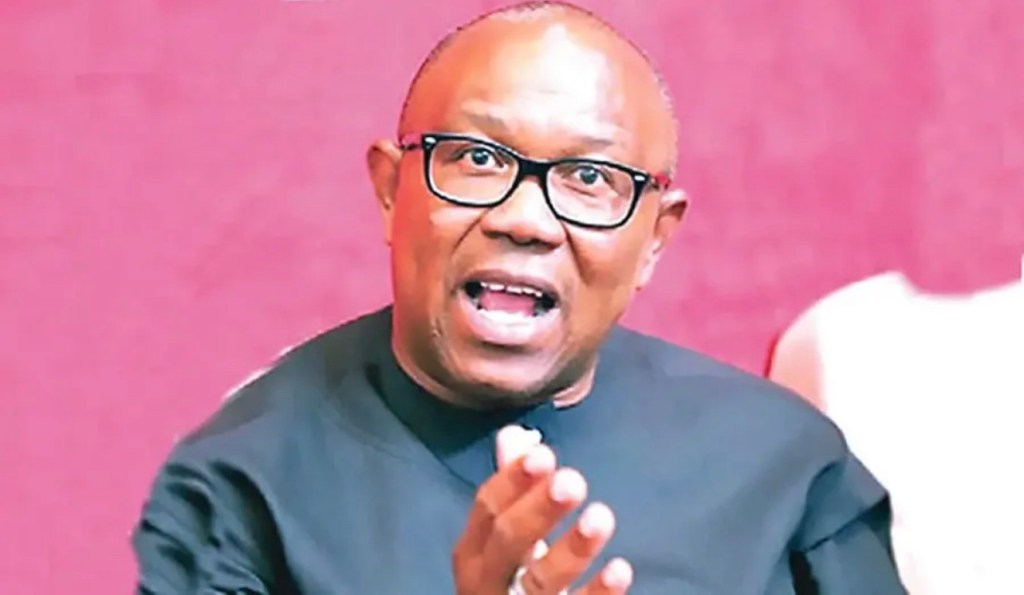
In this unfolding drama, Peter Obi increasingly resembles Lot’s wife.
According to the biblical account, as destruction approached, Lot and his family were instructed to flee without looking back. But Lot’s wife could not resist. She looked back and was transformed into a pillar of salt, a monument to regret.
Obi’s supporters see him as a political reformer. They view him as the leader capable of rescuing Nigeria from corruption, insecurity, economic decline and institutional decay. They believe that if only the electoral system were fair, if only the political establishment would permit genuine competition, then the country could finally begin its long-overdue transformation.
Yet there is another interpretation.
What if Obi’s political journey is not the story of a man destined to save Nigeria but of a man destined to discover that some nations refuse to be saved?
For nearly a decade, he has attempted to persuade Nigerians that competence matters. He has argued that prudence should replace waste, production should replace consumption, and governance should replace politics. Yet each election cycle reveals a political culture that appears less interested in reform than in patronage.
The tragedy may not be that Obi cannot win. The greater tragedy may be that winning changes nothing.
Nigeria’s problems are no longer merely political. They are cultural, institutional and psychological. Corruption is condemned publicly but celebrated privately. Elections are described as sacred while simultaneously treated as wars to be won at all costs. Citizens demand accountability from opponents while excusing the same behaviour from allies.
Every crisis becomes somebody else’s fault.
The opposition blames the ruling party.
The ruling party blames its predecessors.
The governors blame Abuja.
Abuja blames the governors.
The people blame politicians.
The politicians blame the people.
And the cycle continues.
At some point, one must ask an uncomfortable question: can a country be governed into greatness when a significant portion of its political culture is invested in preserving failure?
This is where the analogy to Sodom and Gomorrah becomes tempting.
In the biblical narrative, the cities were not destroyed because they lacked warnings. They were destroyed because they ignored them. The problem was not an absence of righteous voices. The problem was an unwillingness to listen.
Nigeria has never lacked warnings.
Economists warned about dependence on oil.
Security experts warned about the collapse of Libya and the spread of weapons across the Sahel.
Demographers warned about population growth without economic growth.
Anti-corruption advocates warned about institutional decay.
Constitutional lawyers warned about the dangers of concentrating power without accountability.
The warnings came. The warnings were ignored.
Today, insecurity spreads across vast territories. Inflation erodes savings. Young professionals flee abroad in search of opportunities. Public trust in institutions approaches historic lows. Yet political discourse remains trapped in ethnic arithmetic, religious calculations and personality cults.
Perhaps Peter Obi’s greatest challenge is not defeating his opponents.
Perhaps his greatest challenge is convincing a nation that genuinely wants the future he is selling.
History is filled with leaders who arrived before their time. It is also filled with societies that rejected reform until circumstances became unbearable.
The question facing Nigeria is not whether Peter Obi can become president.
The more important question is whether Nigeria still possesses the collective will to save itself.
Because if the answer is no, then Obi’s fate may indeed resemble that of Lot’s wife: transformed not into a pillar of salt, but into a monument of political regret forever looking back at what might have been, while the country continues its march toward a destiny many fear has already been written.
Fortunately, history also teaches another lesson.
No nation’s destiny is written permanently.
Countries have recovered from civil wars, dictatorships, economic collapse and social fragmentation. Nations once considered hopeless have reinvented themselves. Others that appeared stable have collapsed unexpectedly.
The future remains unwritten.
The danger for Nigeria is not that destruction is inevitable.
The danger is that too many people have become comfortable believing that it is.

