It has no postcode. It does not appear on Google Maps. There are no street signs pointing towards it. Yet, whenever one of its inhabitants is caught saying something outrageous or doing something politically or legally questionable, suddenly we are told that the offending words or conduct belonged there.
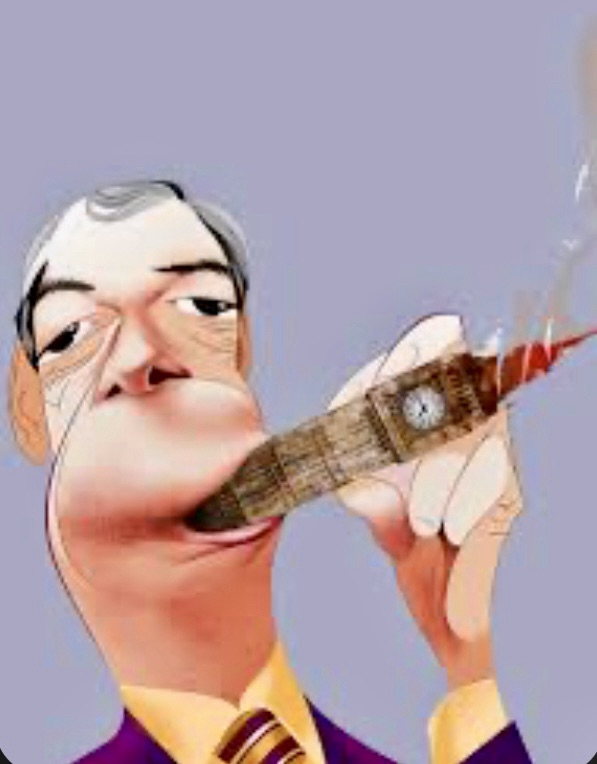
The Moths to the Flame: Why Do Populist Movements Always Attract Such “Enterprising” Characters? By Lawson Akhigbe
There is an eternal, almost Newtonian law of modern politics: wherever a politician loudly proclaims they are "standing up for the forgotten working man," you will inevitably find a discreet corner table in a private Mayfair club where someone is eagerly trying to launder foreign money.
WHEN THE FINE OUTLASTS THE SENTENCE: NIGERIA’S DIPLOMACY OF THE UNCOMPELLED By Lawson Akhigbe
Ambassador Yakubu Gambo did Nigeria the rare courtesy of telling the truth in public, which in the diplomatic trade counts as a small scandal in itself. Standing before Abike Dabiri-Erewa at NiDCOM’s Abuja headquarters, he confirmed what families of the detained have known for years without an official ever saying it plainly: Nigerians who have finished serving their Saudi jail terms remain locked up anyway, held hostage to fines they cannot pay and a government that has not worked out how to pay them either. He framed it as a welfare concern, a matter for coordination and consolidation of diaspora associations under one umbrella. It is, more accurately, a description of a state that has run out of leverage and is calling the shortfall a strategy.

The Ghost Who Keeps Signing by Lawson Akhigbe
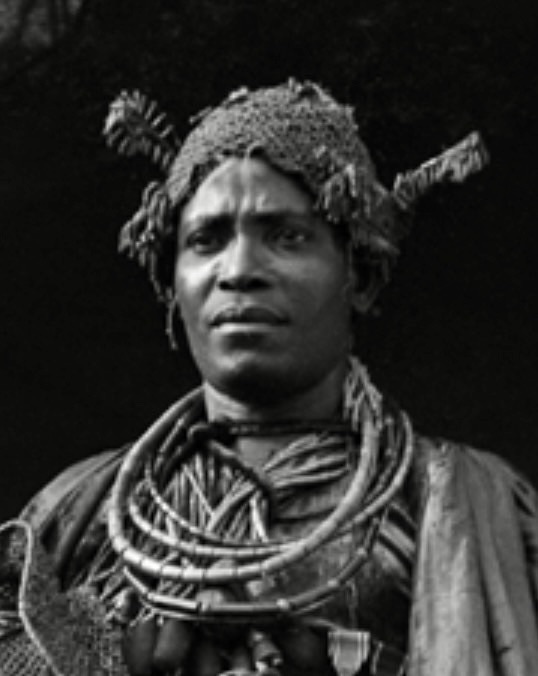
The Land Use Act of 1978 vested radical title to land in the state governor. Customary authorities were meant to operate within that framework, not around it. Yet when the formal system becomes a source of frustration rather than facilitation, human ingenuity finds other routes. Enter the late Oba. His name carries historical weight. The palace, however, maintains no functional modern archive capable of systematic verification. Oral history is the dominant method, and most of the original participants are no longer available for cross-examination. The result is a paper trail that is difficult to audit and easy to exploit.
When the Family Becomes the Coroner: Has Nigeria Turned Cause of Death into a Matter of Opinion By Lawson Akhigbe
On 23 August, I wrote on this platform about the danger of treating the law as an optional accessory in suspicious deaths. I asked a simple question: when a Nigerian dies suddenly and in circumstances requiring investigation, who decides how that death occurred? The family, or the law?