Philanthropy, Public Grants, and the Law: Decoding the Mechanics of the Dangote Refinery IPO Partnership by Lawson Akhigbe
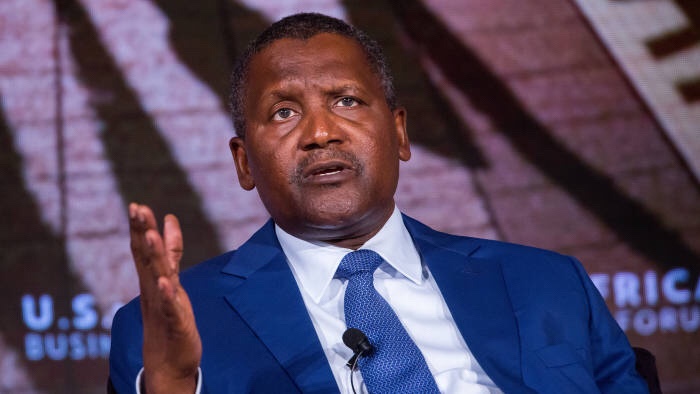
When major corporate milestones unfold, they often bring complex legal questions in their wake. Recently, discussion has swirled around whether public-private partnerships involving state governments and philanthropic foundations to buy shares in the historic Dangote Petroleum Refinery and Petrochemicals Initial Public Offering (IPO) run afoul of corporate laws—specifically regarding a company financing its own shares.

Key Points Arising From The Oputa Panel

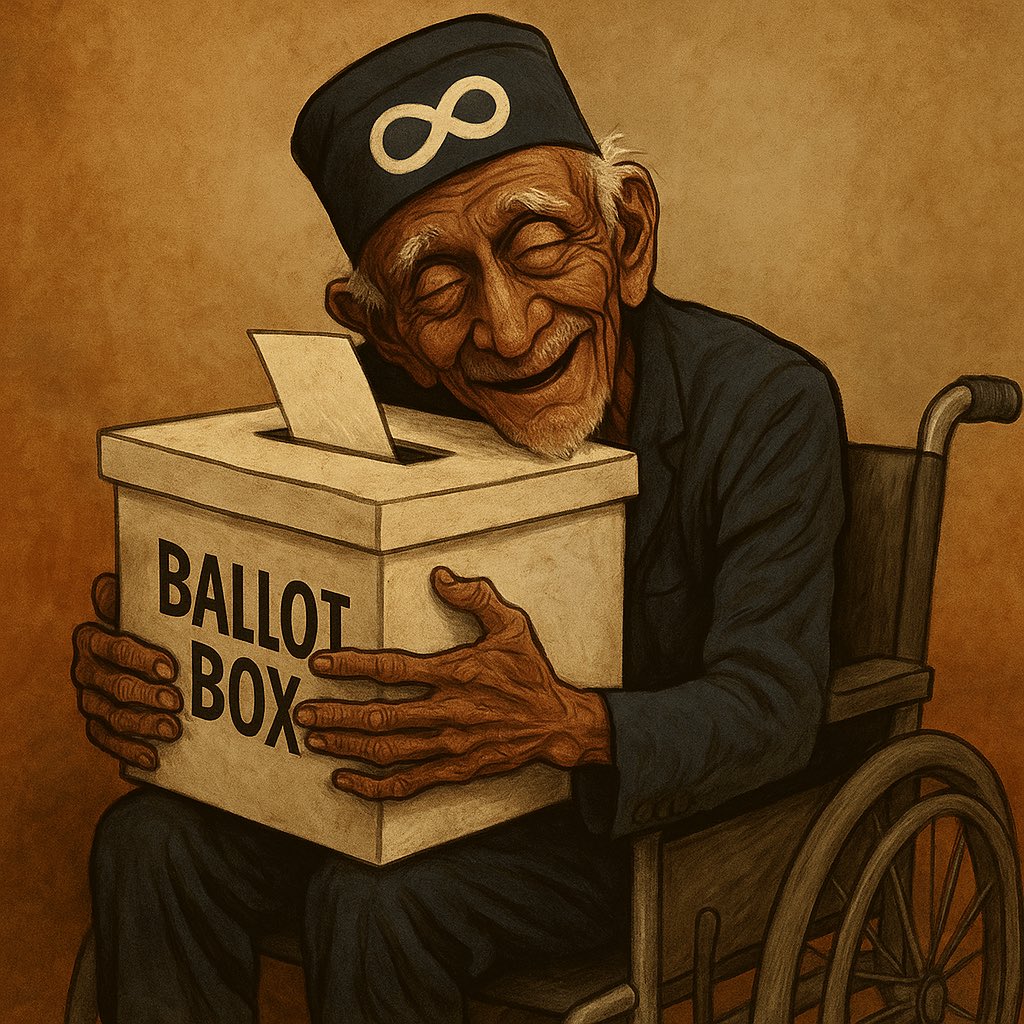
The Oputa Panel’s report remains one of Nigeria’s most thorough official indictments of its own recent past and one of its most thoroughly ignored. After receiving more than 10,000 petitions and hearing only about 150 of them in public, the commission delivered a seven-volume catalogue of institutional failure that still reads like a national audit of impunity.

Tinubu’s Political Consolidation: A Democratic Abacha? By Lawson Akhigbe

President Tinubu has inherited a constitutional system in which political parties are legally entitled to compete, governors possess electoral mandates, and opposition parties can challenge the government without seeking permission from the president. These are fundamental differences between the Fourth Republic and Abacha’s military dictatorship.

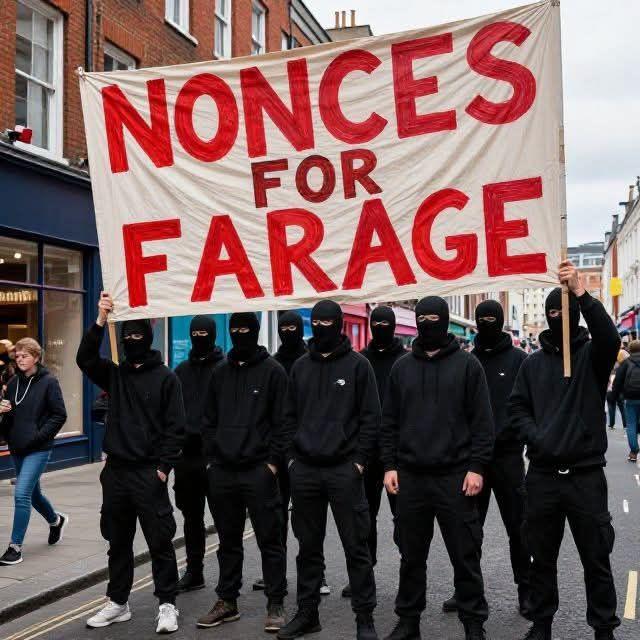
The Dog Bites Man: Why the ITV Reform UK Exposé Shocks Nobody by Lawson Akhigbe

In journalism, the oldest truism is that "dog bites man" isn’t news. A dog is supposed to bite. If a dog bites a postman, you don’t stop the printing presses; you only call the front desk if the postman bites the dog back

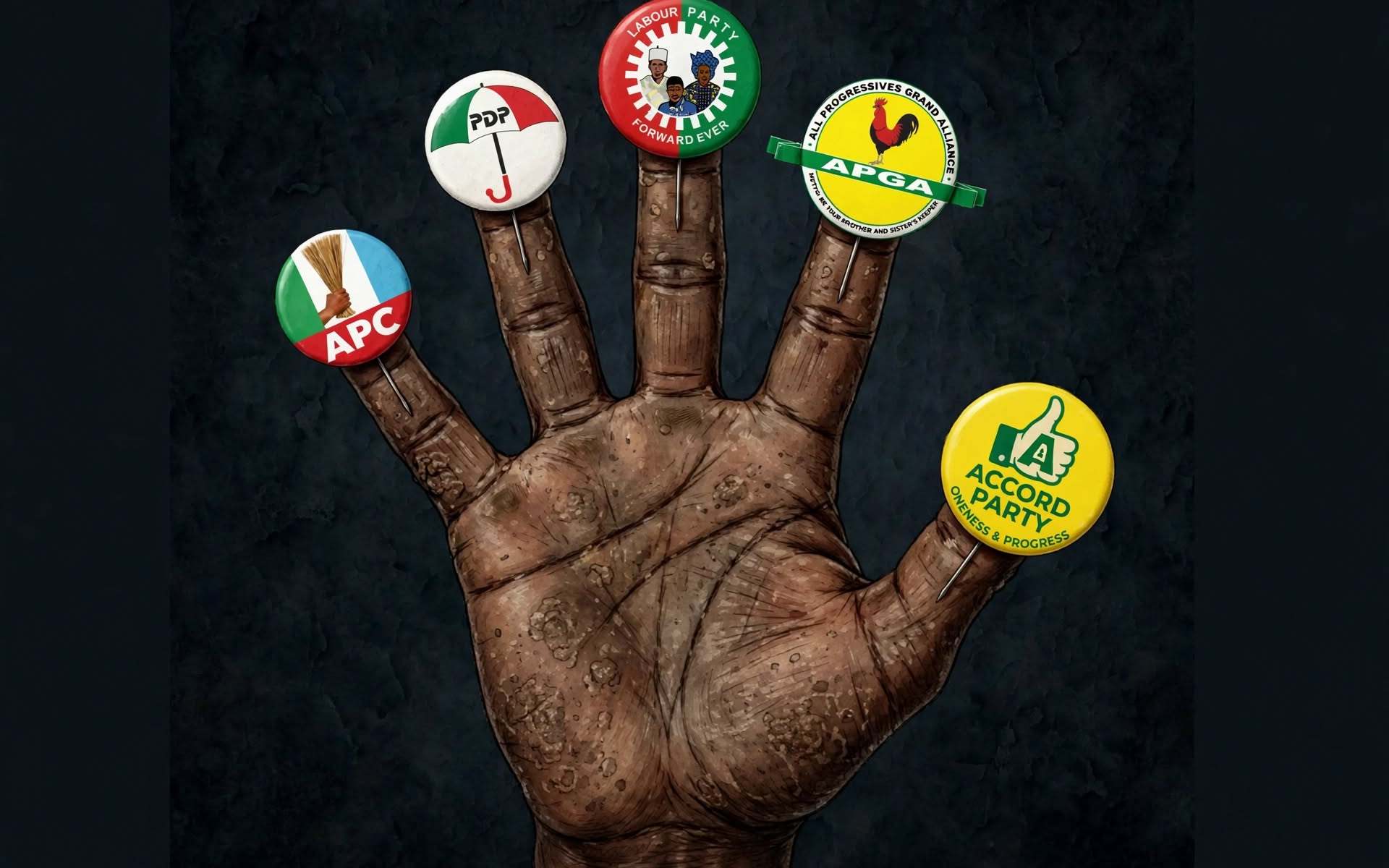
The Five Fingers of a Leprosy Hand: From Abacha’s Ambition to Tinubu’s Politics of Political Capture By Lawson Akhigbe

Nigeria has seen this political movie before. The costumes have changed, the actors have acquired new titles, and the language of justification has become more sophisticated. But beneath the democratic vocabulary lies a familiar ambition: the concentration of political power in the hands of one man, the weakening of opposition, and the conversion of a multiparty democracy into a political arrangement in which everybody is expected to agree with the president.