The Art of the Unsolicited Ass-Kiss: Understanding Nigeria’s “Eye Service” Economy by Lawson Akhigbe
In the United States, corporate culture has a colorful vocabulary for the hyper-sycophant: the brown-noser, the bootlicker, the corporate shill. But in Nigeria, this behavior isn't just a personality trait of that one annoying guy in middle management. It is a highly sophisticated, deeply institutionalized standard operating procedure known colloquially as "Eye Service."

The “Hero” of the Rubber Stamp: How Nigeria’s Separation of Powers Became a One-Man Show by Lawson Akhigbe

The Legislature does not check the Executive; it curtsies, takes notes, and asks the Executive what time it should pack its bags.

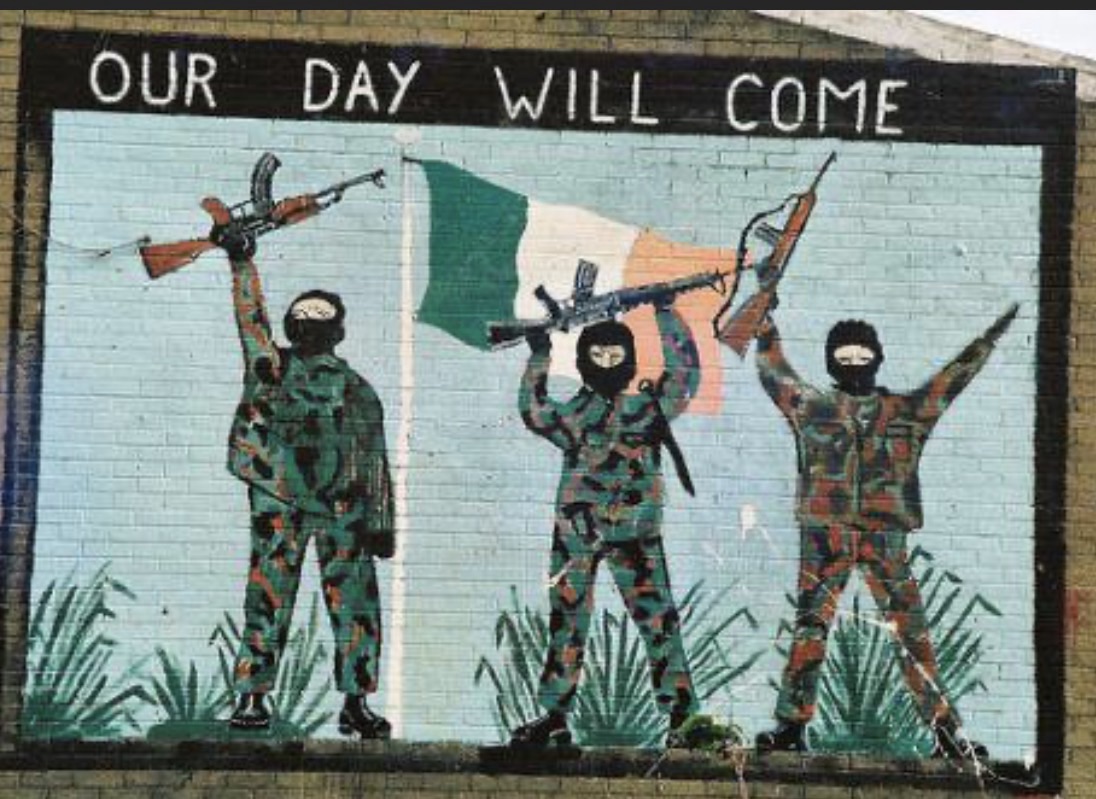
Irish War of Independence vs Irish Civil War: What’s the Difference? By Fearghal Fitzgibbon

The War of Independence followed on from the unsuccessful Easter Rising in 1916. While the Rising had little support from the Irish population, the British crackdown hardened public opinion against British rule. Subsequent events such as the Conscription Crisis helped Sinn Féin, an Irish nationalist party, to a landslide victory in the 1918 general election. Establishing their own parliament, Dáil Éireann, they declared independence while the Irish Republican Army (IRA) fought a guerrilla campaign across the island.

Silence is Golden (Especially When It’s About Your Land) by Lawson Akhigbe

In most functional societies, those quaint places where governments occasionally remember they exist to serve rather than to frustrate, when a citizen submits an application requiring official action, a few basic courtesies are observed. An acknowledgment. A request for missing documents if needed. Perhaps even a timeline, however optimistic. The machinery of state, however rusty, at least coughs to confirm it has received your papers.

Ponzi Loans and Politicians by Lawson Akhigbe

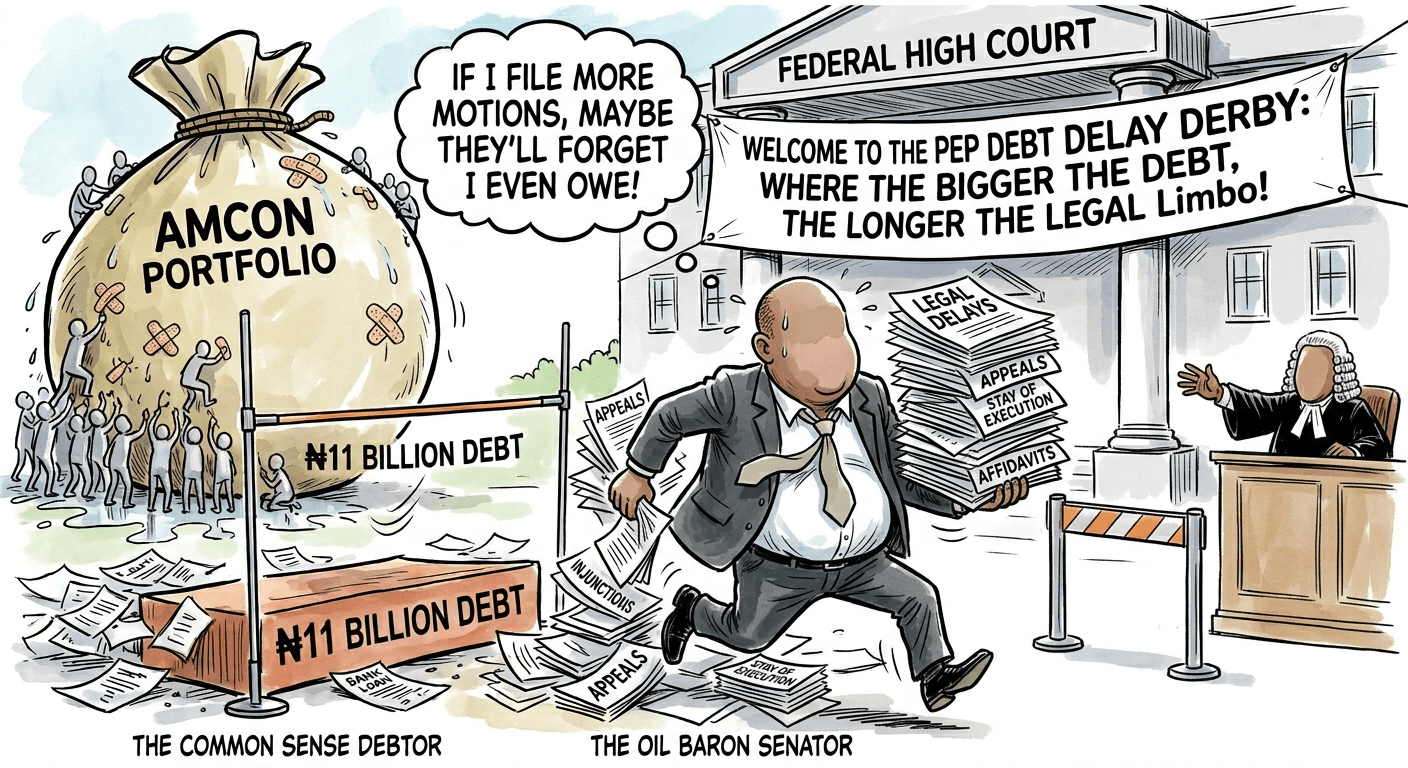
AMCON has repeatedly noted that a small number of high-profile obligors (often 300–400 individuals/entities) account for 70–80% of its outstanding portfolio (peaking around ₦4.5–5 trillion in various reports). Many of these involve politicians or their allied companies, where debts originated from pre-AMCON bank loans (e.g., Union Bank, Skye Bank facilities) that turned non-performing due to factors like margin lending, poor governance, or economic shocks.