Blessing Agbebaku: From Suspension to Speakership — And Back Into the Political Storm

Yesterday’s political victim can become tomorrow’s political kingmaker. Yesterday’s opposition politician can become tomorrow’s occupant of the very office controlled by the political establishment he once opposed.

The “Hero” of the Rubber Stamp: How Nigeria’s Separation of Powers Became a One-Man Show by Lawson Akhigbe

The Legislature does not check the Executive; it curtsies, takes notes, and asks the Executive what time it should pack its bags.

Edo State: A Historical Analysis of Its Colonial Origins, Ethnic Composition, and Linguistic Heritage by Lawson Akhigbe

To truly understand Edo State today, one must trace its lineage back to the colonial provinces that formed its core: Benin Province and Afemai Province.

Silence is Golden (Especially When It’s About Your Land) by Lawson Akhigbe

In most functional societies, those quaint places where governments occasionally remember they exist to serve rather than to frustrate, when a citizen submits an application requiring official action, a few basic courtesies are observed. An acknowledgment. A request for missing documents if needed. Perhaps even a timeline, however optimistic. The machinery of state, however rusty, at least coughs to confirm it has received your papers.

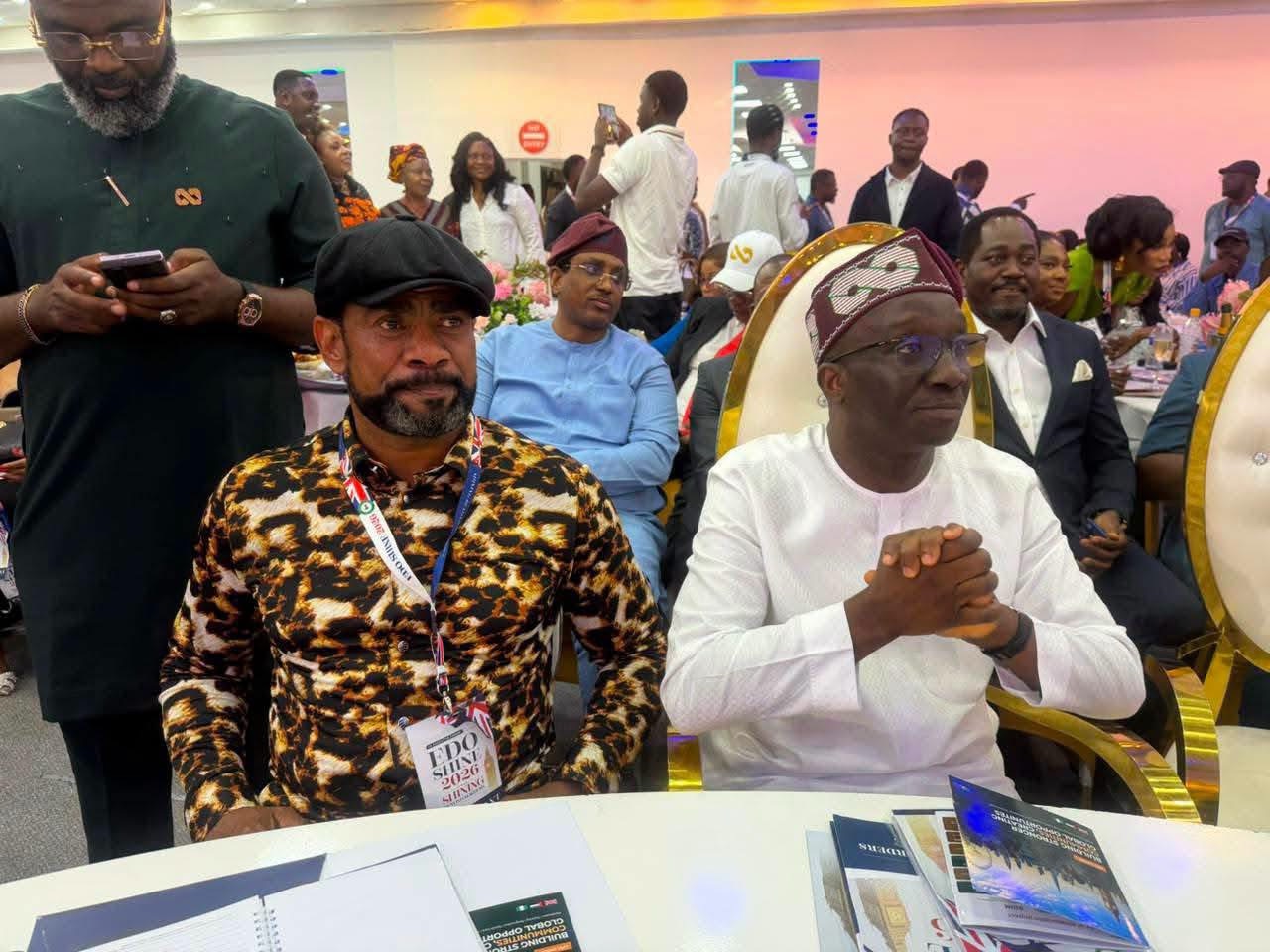
Government by Vibes: Governor Okpebholo’s London Roadshow and the Cost of Governing Without Institutions by Lawson Akhigbe

His administration, he argued, is practical rather than bureaucratic. It is interested in action, not process. The legacy programmes of his predecessor, Godwin Obaseki, have largely been dismantled. EdoBEST has gone. The Security Control Centre has gone. EdoGIS is going. Consultants have gone. Due process, one gathered, has become something to be viewed with suspicion rather than embraced as the machinery through which modern government functions.