Overview of the Asset Management Corporation of Nigeria (AMCON) by Lawson Akhigbe

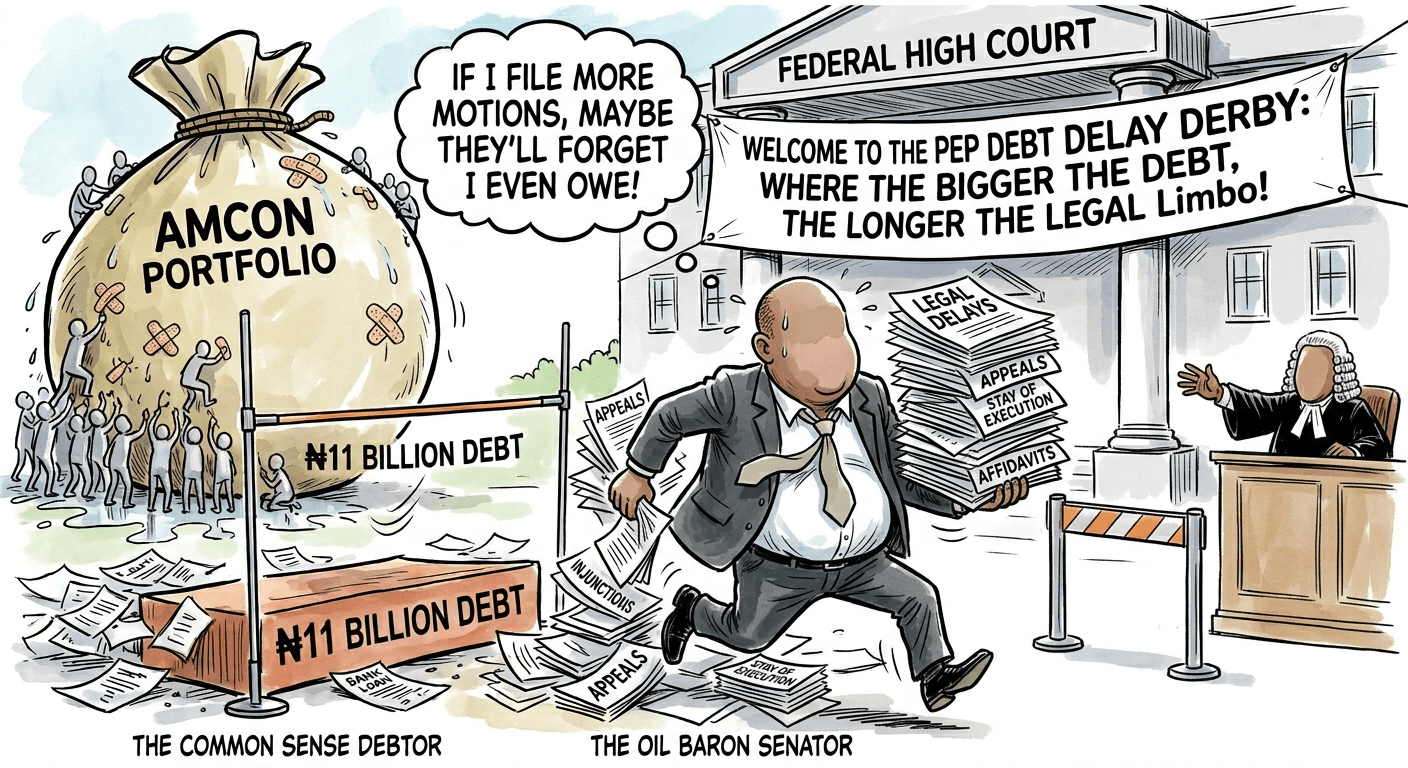
The Asset Management Corporation of Nigeria (AMCON) represents one of Nigeria’s most significant financial interventions in response to systemic banking distress. Its debt enforcement history reflects a blend of aggressive statutory powers, evolving legislative enhancements, notable operational successes, persistent challenges, and occasional perceptions of uneven application influenced by political or economic factors. Below is a thorough, chronological exploration of AMCON’s enforcement journey, including context, key mechanisms, statistics, notable cases (with nuances around the Ben Murray-Bruce/Silverbird matter), challenges, and broader implications.

Abacha-Era Corruption: A Deep Dive into Nigeria’s Most Notorious Kleptocracy (1993–1998) by Lawson Akhigbe

This was enabled by authoritarian control: no independent legislature or judiciary, weak oversight, and a patronage network treating public coffers as extensions of personal or regime power. International complicity—lax due diligence by banks—facilitated laundering through U.S. institutions and bond deals.

Human Rights Violations Investigation Commission (Oputa Panel)

The Human Rights Violations Investigation Commission, popularly known as the Oputa Panel, remains one of the most significant yet controversial attempts at transitional justice in Nigeria's history.

The Steve Oronsaye Report

The Steve Oronsaye Report formally titled the Report on the Restructuring and Rationalization of Federal Government Parastatals, Commissions, and Agencies is a landmark 800-page public service reform blueprint submitted to the Nigerian government in 2012.

The Shell Company of the Republic: How the Board of Peace Became Trump Organization Foreign Division By Lawson Akhigbe

Start with the constitutional oddity sitting in plain sight. The Board's Charter names Donald Trump personally not the office of the President, not the United States as a state party, but Donald J. Trump as inaugural Chairman, with a term that survives his presidency. He can only be removed through voluntary resignation or a unanimous vote of the Executive Board finding him incapacitated, and he alone selects his successor. No sitting president inherits the chair by virtue of the office; a future occupant of the Oval Office might find themselves outranked, within an organisation their own government helped charter, by a private citizen of their predecessor's choosing.