

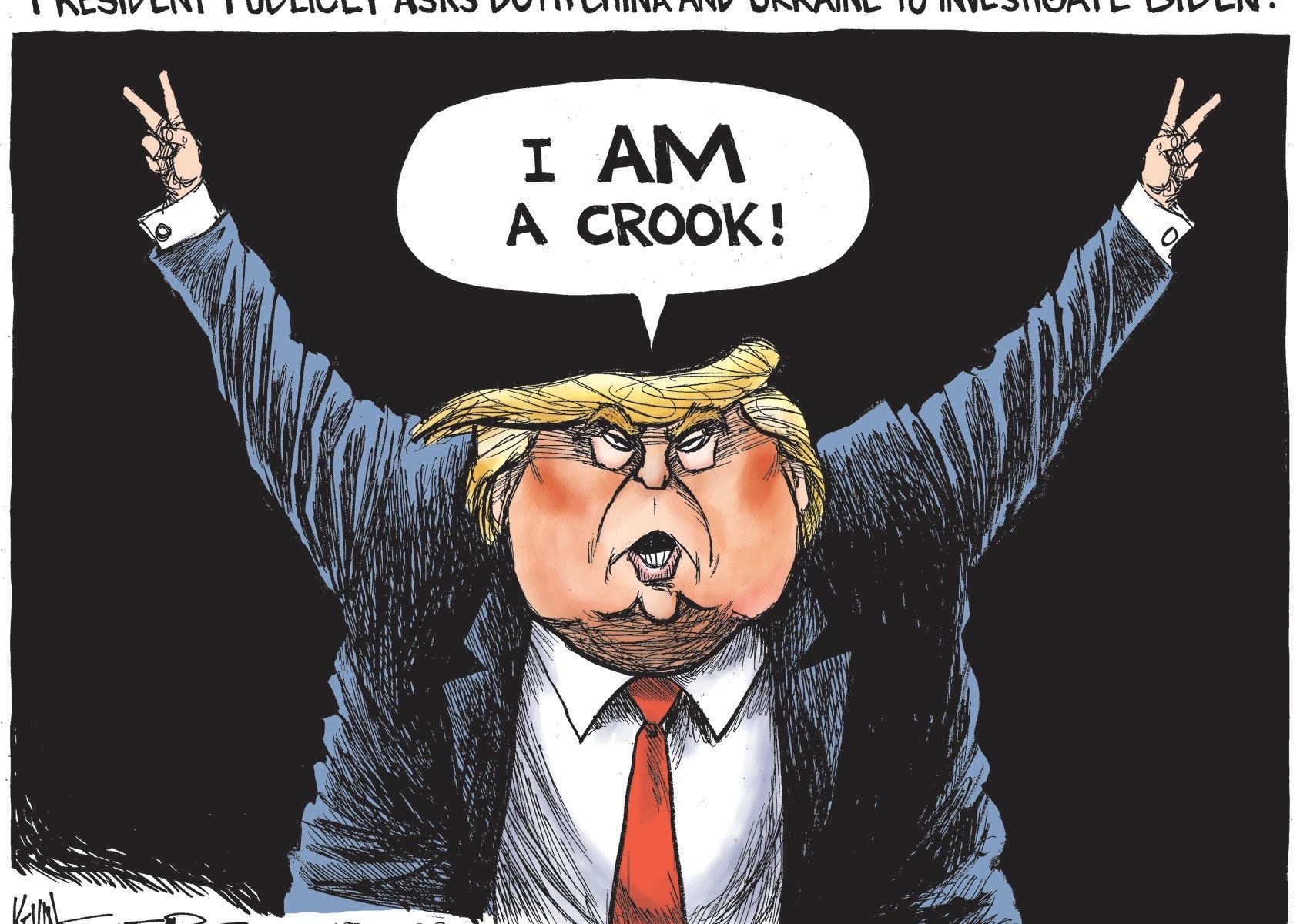
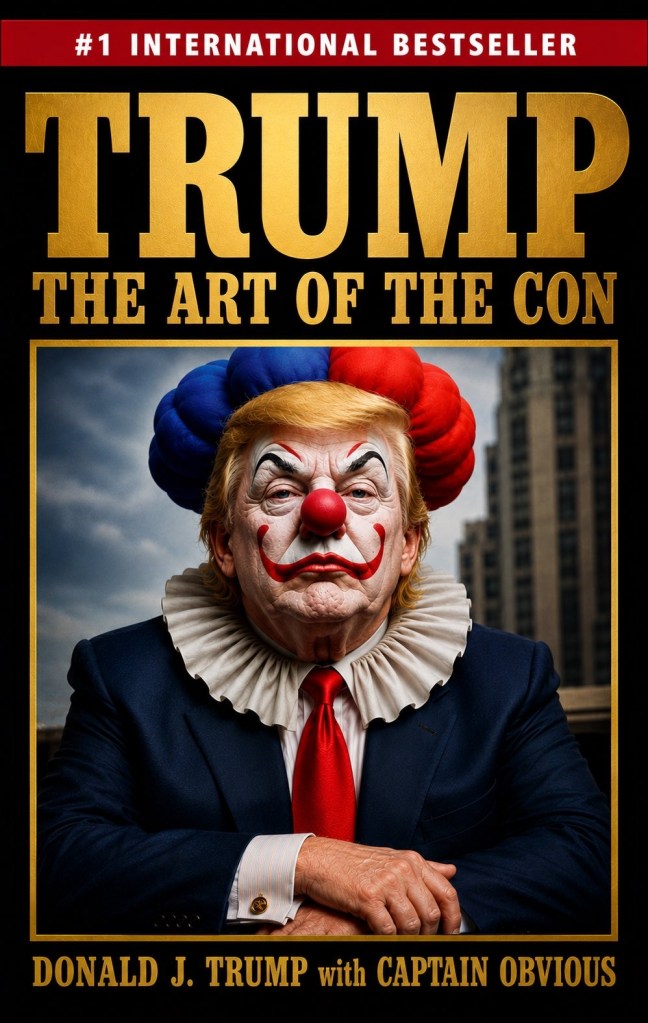
Trump’s business career has long been characterized as embodying “con-artist” tactics: aggressive promotion, leveraging his personal brand for high-margin or low-substance ventures, heavy debt leverage, selective truth-stretching in marketing, and frequent legal disputes.
Trump may never have filed for personal bankruptcy and has turned inherited advantages plus media savvy into a global brand. Here’s a detailed overview.
Early Foundations and Branding as the Core “Product”
Trump entered real estate via his father Fred Trump’s company, benefiting from substantial loans and connections. His early Manhattan projects (e.g., Grand Hyatt Hotel) succeeded with help from tax abatements and timing. The “Trump” name became the real asset, licensed for buildings, products, and promotions. This branding approach fueled both wins (e.g., Trump Tower) and ventures criticized as opportunistic.
A pattern: promise exclusivity and insider secrets, deliver variable or disappointing results, and move on while minimizing personal financial downside through corporate structures and negotiations.
Prominent Examples Often Cited as “Con” Elements
1. Trump University (2005–2010)
This is the clearest and most documented case. It sold real estate seminars promising Trump’s “secrets of success,” with prices up to $35,000+ for “elite” programs. Marketing featured Trump heavily and implied hand-picked instructors and mentorship.
- Allegations: Misleading ads, high-pressure sales at free seminars pushing expensive upsells, unqualified instructors, and failure to deliver promised value. It wasn’t a licensed university (New York warned them repeatedly). Former employees and students described it as a fraudulent scheme targeting vulnerable people.
- Outcome: Three lawsuits (two class actions + NY AG). Trump settled for $25 million in 2016 (post-election) without admitting wrongdoing: ~$21M to students (80-90% recovery) and $4M related to NY case.
2. Trump Foundation (1988–2018)
A charitable foundation that ran into serious trouble.
- Allegations and findings: Self-dealing (e.g., using funds for personal portraits or settlements), political coordination (notably a 2016 veterans fundraiser directed by campaign staff), and illegal personal/business use. NY AG called it a “shocking pattern of illegality.”
- Outcome: Court-ordered dissolution under supervision. Trump personally paid $2 million in damages to charities + reimbursement. His children were also involved in the suit.
3. Atlantic City Casinos and Bankruptcies
Trump’s casino companies filed for Chapter 11 bankruptcy six times (1991–2009), including the Taj Mahal (billed as the “Eighth Wonder,” failed quickly amid high debt).
- Over-leveraged, Trump personally guaranteed some debt but negotiated reductions, ceding equity. Bondholders and contractors took losses; some small vendors went unpaid.
- Trump often portrays it as smart use of leverage and restructuring. He shifted risk to others while he extracted fees, branding value, and salary.
4. Other Ventures
- Trump Shuttle, Steaks, Vodka, Mortgage, Magazine: Mostly failures. Trump Airlines (1989) defaulted quickly. Trump Steaks lasted months. These were often licensing deals or promotions that critics say hyped unrealistic expectations.
- Real Estate: Mixed. Successes in branding/licensing; some projects faced lawsuits over delays, quality, or sales practices. Later NY civil fraud case (ruled against Trump) alleged systematic inflation of asset values for loans/taxes/insurance, resulting in a large judgment.
- Risk and Reward: Real estate, especially casinos/hotels, is volatile. Many developers use bankruptcy as a tool. Trump’s overall wealth grew via branding, TV (The Apprentice), and international licensing—turning name recognition into revenue with lower capital risk.
- No Personal Bankruptcy: He protected personal assets via corporations.
- Litigation Commonality: High-profile figures attract suits; many settled without admission of guilt. Trump often countersues or claims political motivation, especially post-2015.
- “Art of the Deal” Style: Exaggeration, superlatives (“the best,” “huge”), and flexible truth are part of his persona and negotiating brand. It is fraud when it harms customers/investors.
- Context of Era: 1980s–2000s leveraged buyouts and hype-driven businesses were common. Atlantic City declined broadly.
Implications and Broader Pattern
The “con-artist” label stems from a recurring motif: high-pressure marketing of “Trump magic,” asymmetric risk (others lose more), and pivots to new opportunities when ventures sour. This worked for building a resilient personal brand and political appeal. It also produced documented harms, student losses in Trump U, charity misuse, creditor hits, and repeated legal findings of improper conduct (though often civil, not criminal, for business matters).
This history previewed governance style: bold promises, loyalty tests, and narrative control.
In summary, Trump’s record shows undeniable promotional skill and brand leverage alongside well-substantiated cases of misleading practices and financial overreach that cost others. It is pure genius and total fraud, a high-variance, personality-driven approach with real victims. Judgments depends on those who paid into his ventures.

