Next in Abuja, four governments will do something that sounds, on paper, like a belated act of economic self-respect. Nigeria, Ghana, Côte d'Ivoire and Cameroon between them the source of roughly two-thirds of the cocoa that becomes the world's chocolate will sign the Abuja Declaration and stand up a Cocoa Value Addition Alliance, a coordinated attempt to stop shipping out raw beans and start capturing some of the value that currently accrues, almost entirely, to everyone else. Nigeria will additionally sign its own Cocoa Value Addition Accord, a domestic compact roping in governors, farmer groups, financiers and researchers into the project of turning bean into brand rather than bean into someone else's bar.
Sahel Regional Security Dynamics: A Multifaceted Analysis (as of late 2025–early 2026)
The modern Sahel crisis traces back to the 2011 Libyan collapse, which flooded the region with weapons and fighters, reigniting Tuareg rebellions in northern Mali in 2012. This enabled Islamist groups to seize territory, leading to French intervention (Operation Serval in 2013, later Barkhane). Initial gains were undermined by persistent weak governance: corruption, urban-rural divides, ethnic tensions (e.g., Fulani pastoralists vs. agricultural communities), and state absence in rural peripheries.
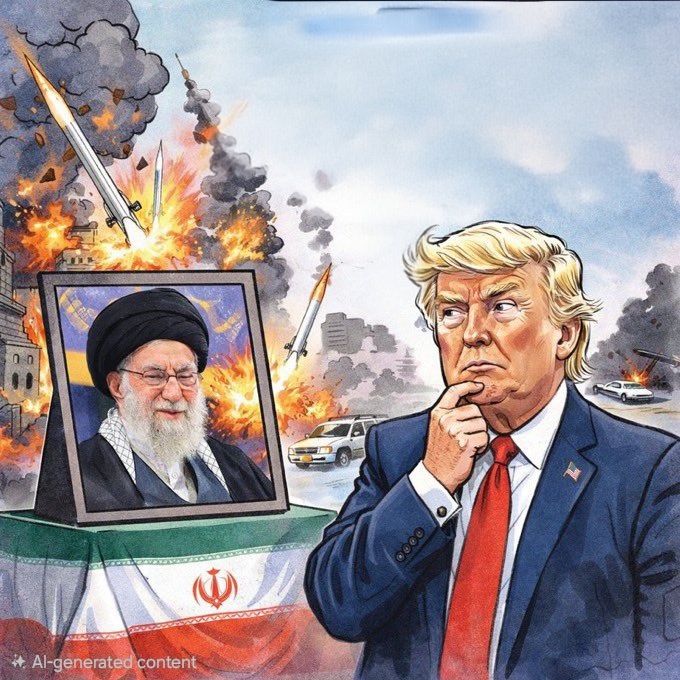
From “Worst Deal Ever” to Quiet Regret: The Shifting Discourse on Trump’s JCPOA Withdrawal
From "Worst Deal Ever" to Quiet Regret: The Shifting Discourse on Trump's JCPOA Withdrawal
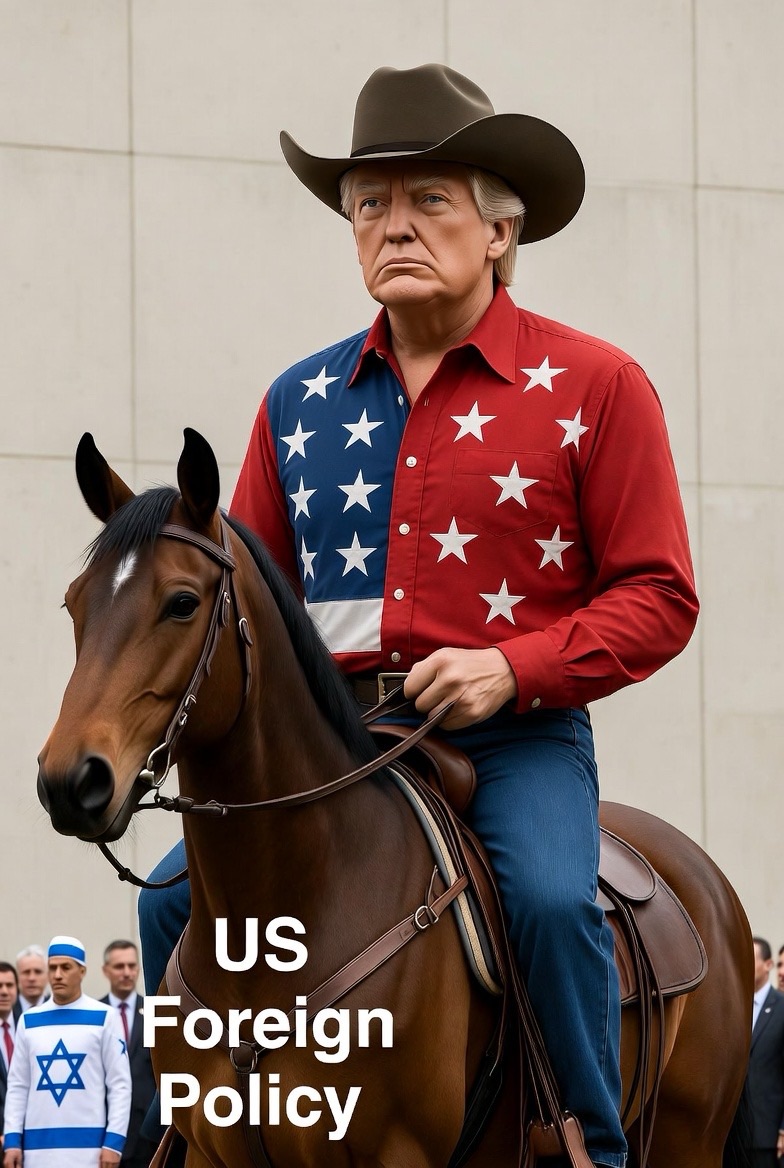
When Trump Play Cowboy: The Israelisation of American Foreign Policy by Lawson Akhigbe
Israel is a small country with a big personality. Think of it as that compact, wiry uncle at Christmas dinner — the one who sits at the end of the table with his back to the wall, scanning the room as if the turkey might attack him. Surrounded by neighbours who eye it with varying …