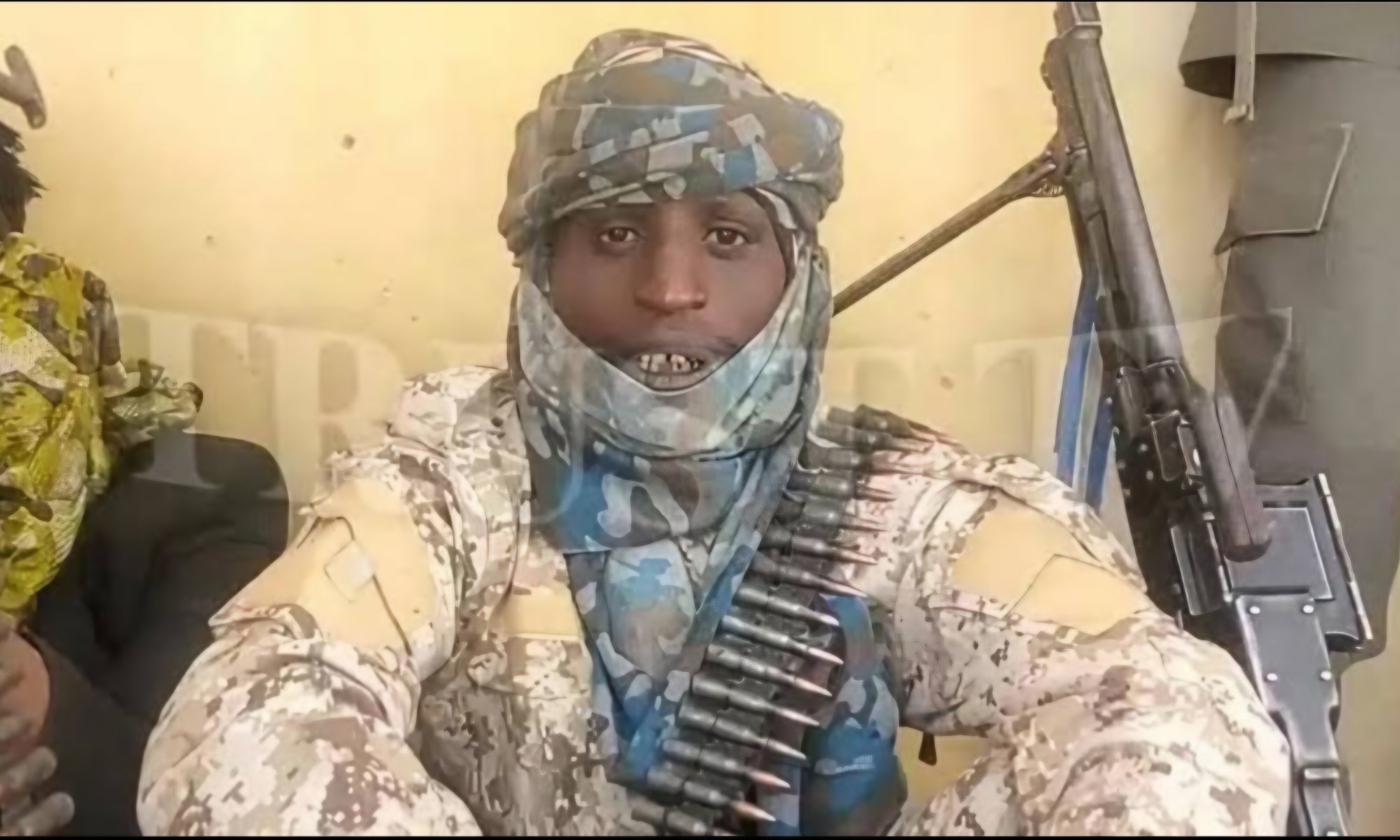
The modern Sahel crisis traces back to the 2011 Libyan collapse, which flooded the region with weapons and fighters, reigniting Tuareg rebellions in northern Mali in 2012. This enabled Islamist groups to seize territory, leading to French intervention (Operation Serval in 2013, later Barkhane). Initial gains were undermined by persistent weak governance: corruption, urban-rural divides, ethnic tensions (e.g., Fulani pastoralists vs. agricultural communities), and state absence in rural peripheries.
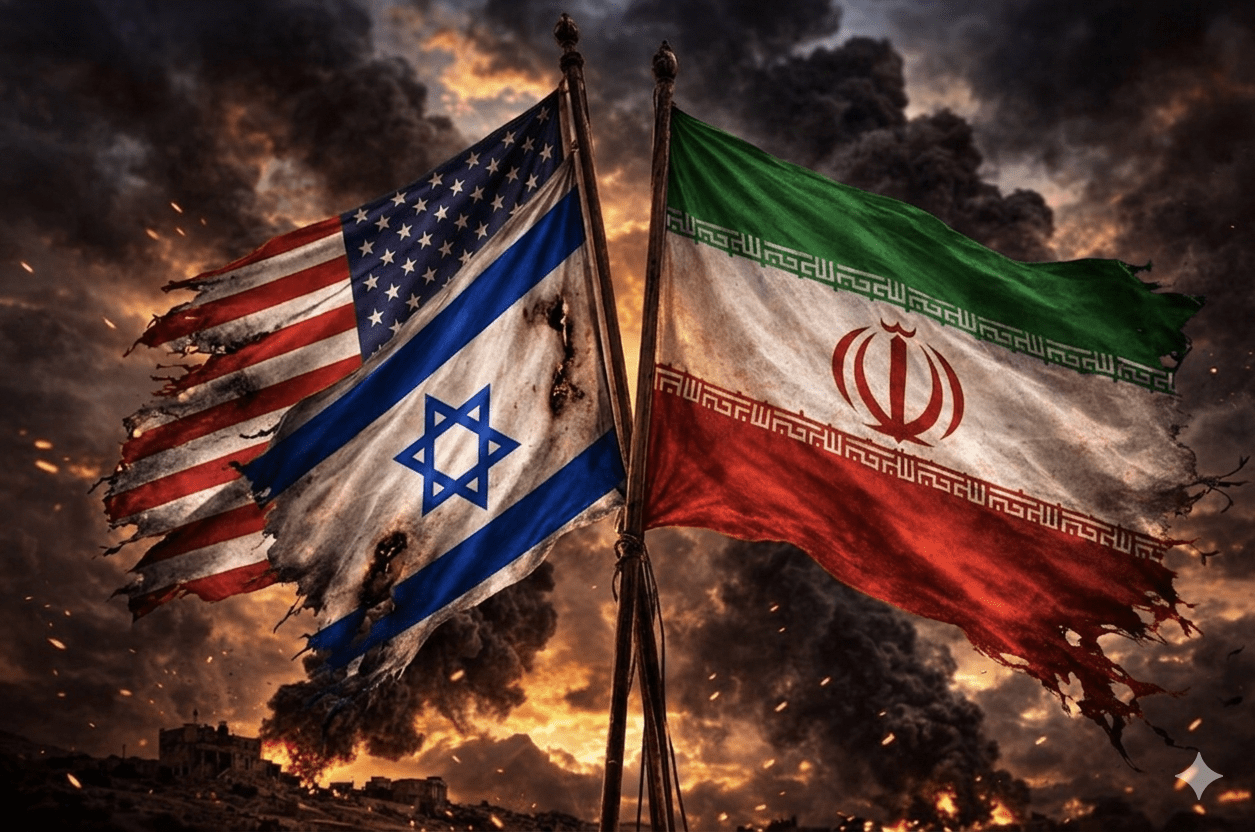
From “Worst Deal Ever” to Quiet Regret: The Shifting Discourse on Trump’s JCPOA Withdrawal
From "Worst Deal Ever" to Quiet Regret: The Shifting Discourse on Trump's JCPOA Withdrawal
When Trump Play Cowboy: The Israelisation of American Foreign Policy by Lawson Akhigbe
Israel is a small country with a big personality. Think of it as that compact, wiry uncle at Christmas dinner — the one who sits at the end of the table with his back to the wall, scanning the room as if the turkey might attack him. Surrounded by neighbours who eye it with varying …