

Exploring the Shifting Political Discourse on the JCPOA: From Withdrawal to War and Uncertain Diplomacy
The Joint Comprehensive Plan of Action (JCPOA), commonly known as the Iran nuclear deal, was signed in 2015 under President Barack Obama. It aimed to limit Iran’s nuclear program in exchange for sanctions relief, with the goal of extending Iran’s “breakout time” to develop a nuclear weapon. Critics, including then-candidate Donald Trump, derided it as “the worst deal ever” for its sunset clauses, failure to address ballistic missiles or regional proxy activities, and perceived leniency toward the Iranian regime.
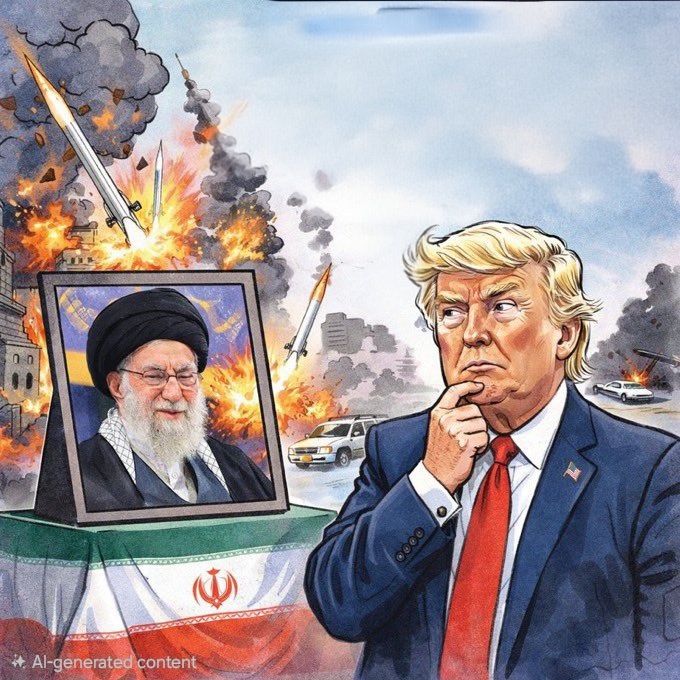
In 2018, the first Trump administration withdrew from the agreement, reimposing “maximum pressure” sanctions. Fast forward to 2026: amid renewed tensions, U.S. and Israeli military actions against Iran have escalated into open conflict, contributing to disruptions in global energy markets and domestic economic pressures. This has prompted a notable shift in political discourse.
Shifting Perspectives on the Original Deal
Many longtime critics of the JCPOA, who once dismissed it outright, now appear to reflect on its relative stability amid current challenges. The deal, while imperfect, had constrained Iran’s enrichment activities and allowed for IAEA monitoring. Post-withdrawal, Iran accelerated its program, reducing breakout time significantly. In the current environment of regional instability and economic fallout from conflict, some voices quietly acknowledge that the original framework offered a verifiable, if temporary, diplomatic off-ramp compared to the complexities of negotiating amid active hostilities.
This evolution reflects a broader pragmatism: diplomacy with adversarial regimes often involves imperfect compromises, and dismantling one without a clear superior alternative can complicate future efforts.
Economic and Strategic Fallout
The consequences of the 2018 withdrawal and subsequent escalations have been multifaceted. In 2026, military conflict has led to Iranian actions affecting the Strait of Hormuz—a critical chokepoint carrying roughly 20% of global seaborne oil. Attacks on vessels, reduced shipping traffic, and related disruptions have driven up energy prices, contributing to inflationary pressures.
Recent Gallup polling reflects widespread concern: economic confidence has plummeted, with many Americans linking tensions and conflict-related costs to personal financial strain. Reports indicate figures around 76% expressing worry about the economy’s direction amid these events, alongside impacts on gas prices and supply chains. Global shipping has faced chaos, with thousands of mariners affected and rerouting adding costs.
Strategically, the U.S. faces questions about the sustainability of its approach. While sanctions and pressure aimed to curb Iran’s capabilities and malign influence, the path has involved significant diplomatic isolation from some allies and heightened regional risks.
Political Criticism and Inconsistencies
The discourse highlights perceived inconsistencies. Figures like Secretary of State Marco Rubio, a vocal opponent of the original JCPOA, have been involved in messaging around potential new agreements, at times suggesting progress or proximity to deals without detailed public roadmaps. Critics argue this echoes past patterns where confrontational stances give way to negotiations under pressure.
President Trump’s approach—emphasizing strength and maximum pressure—delivered short-term leverage in some views but has drawn criticism for net economic costs and challenges to U.S. diplomatic standing. The human element resonates strongly: rising prices at the pump and grocery stores affect working families, raising questions about whether decisions prioritize long-term strategy or shorter-term political signaling.
The Human Cost and Questions of Motivation
Beyond geopolitics, the toll on ordinary people stands out. Americans face higher energy costs and economic uncertainty tied to global disruptions. In Iran, sanctions and conflict exacerbate hardships for civilians. This prompts deeper scrutiny: Was abandoning the JCPOA driven purely by national security imperatives, or did political ego and campaign promises play a role? Hindsight reveals that tearing down an existing, monitored (if flawed) framework has led back to high-stakes diplomacy under worse conditions—escalated nuclear advances, proxy conflicts, and military engagement.
A Critical Question for Leadership
If the ultimate objective remains preventing a nuclear-armed Iran through a stronger agreement, why dismantle the prior structure only to confront more difficult challenges today? The JCPOA was never a perfect peace, but its abandonment illustrates the risks of upending multilateral deals without assured successors. As talks continue in 2026 amid fragile ceasefires and ongoing negotiations, the lesson may be that effective foreign policy balances resolve with realism—prioritizing verifiable outcomes over ideological purity.
The Iran nuclear issue remains a complex test of American strategy. Sustainable security requires addressing not just capabilities but the underlying incentives and regional dynamics. Whether current leadership can deliver a deal superior to the original—amid heightened costs—will define its legacy.

