State Police in Nigeria: Between Constitutional Necessity and Historical Fear by Lawson Akhigbe

Nigeria is once again standing at a constitutional crossroads. The growing insecurity across the federation, from banditry in the North-West, secessionist violence in the South-East, kidnapping in the South-South, farmer-herder clashes in the Middle Belt, and urban criminality in Lagos and Abuja, has pushed the debate over state police from intellectual seminars into the centre of national survival.

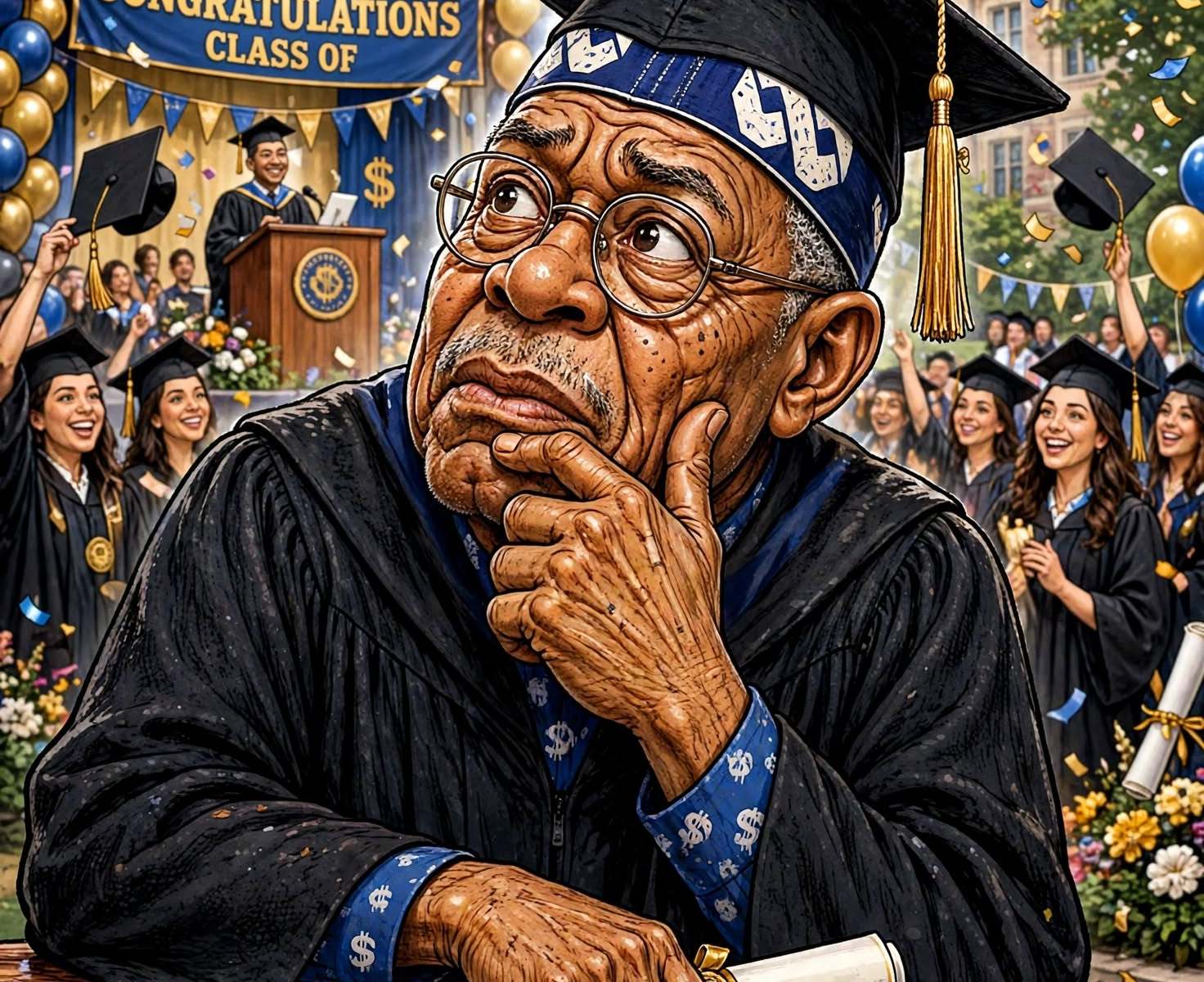
The NGO Trap: How a $1 Trillion Industry Learned to Love African Poverty by Lawson Akhigbe

Somewhere in a glass-and-steel conference centre in Geneva, a distinguished panel is convening to discuss Africa's poverty crisis. The room costs £18,000 a day to hire. The keynote speaker flew business class from Washington. The catered lunch is exceptional. The conference proceedings will produce, in due course, a forty-seven page report recommending as the 1994 report did, as the 2003 report did, as the 2011 report did, more aid. Africa, meanwhile, remains poor.

From Governor Akpabio to Senate President Akpabio via Ministry of Niger Delta: When the Niger Delta’s Biggest Enemy remain in Government by Lawson Akhigbe

Back in 2017, human rights lawyer Inibehe Effiong caused a stir when he accused former Akwa Ibom governor Godswill Akpabio of looting the state treasury on a scale that could fund neighbouring Ebonyi State for decades.

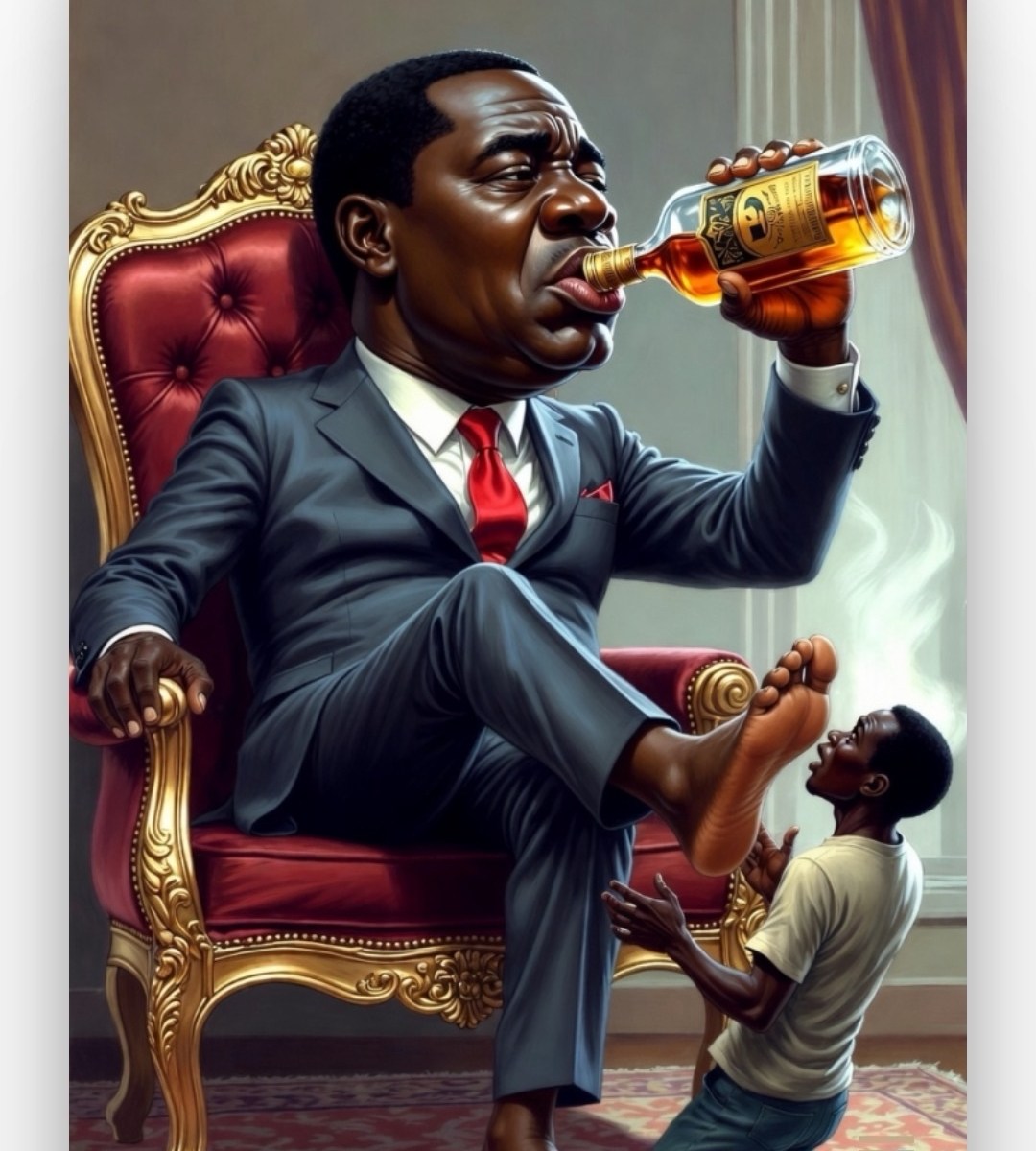
When the FCT Became a Personal Fiefdom: Wike, His Underlings, and the Quiet Death of Oversight by Lawson Akhigbe

This is not merely a personality clash. It is a blot on the democratic experiment. It reveals how thin the democratic impulse runs in the organs of government and the people who staff them. Effectively, the FCT is under non-democratic governance inside a country that still insists on calling itself a democracy. The Minister acts. The Senator is sidelined. The President remains serenely above the fray. The National Assembly discovers urgent business elsewhere. The circle is complete.