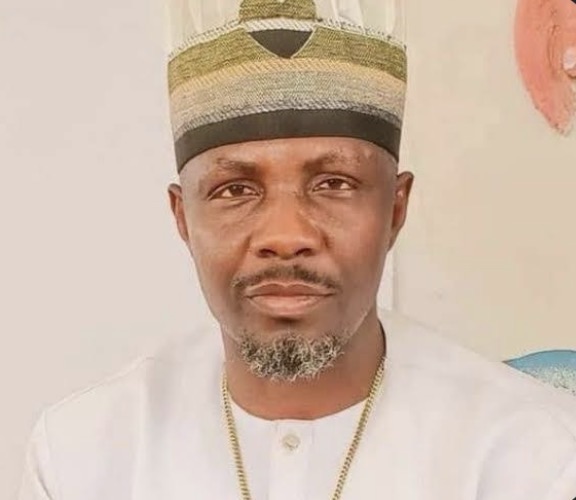
Wike’s ₦10 Million Electoral Bounty: Political Mobilisation or Criminal Inducement Under the Electoral Act 2026? By Lawson Akhigbe
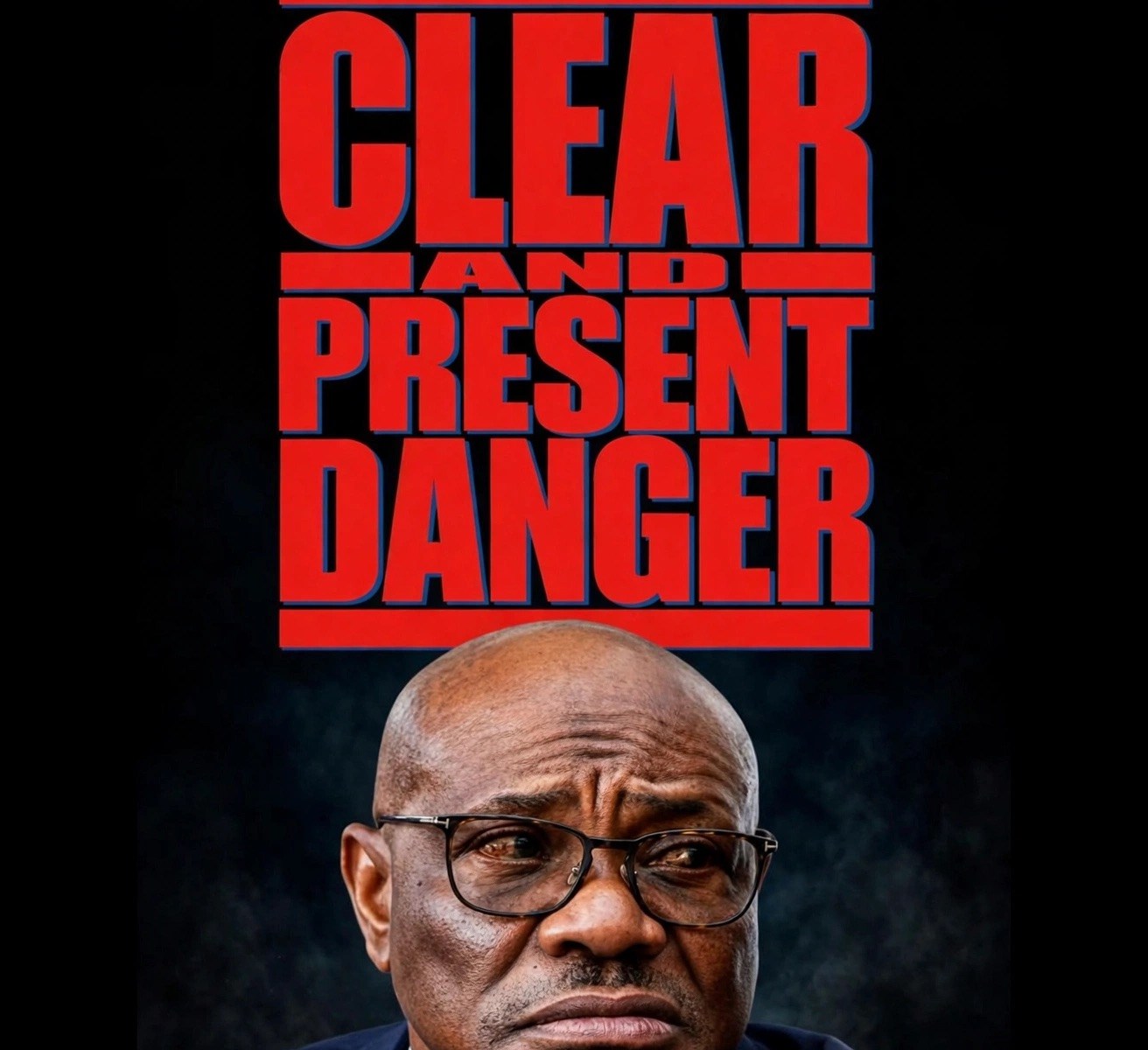
There is an increasingly disturbing tendency in Nigerian politics to treat the electoral process as a commercial transaction. Votes are commodities, political loyalty is negotiable, and electoral victory is something that can be purchased through an elaborate network of financial incentives.

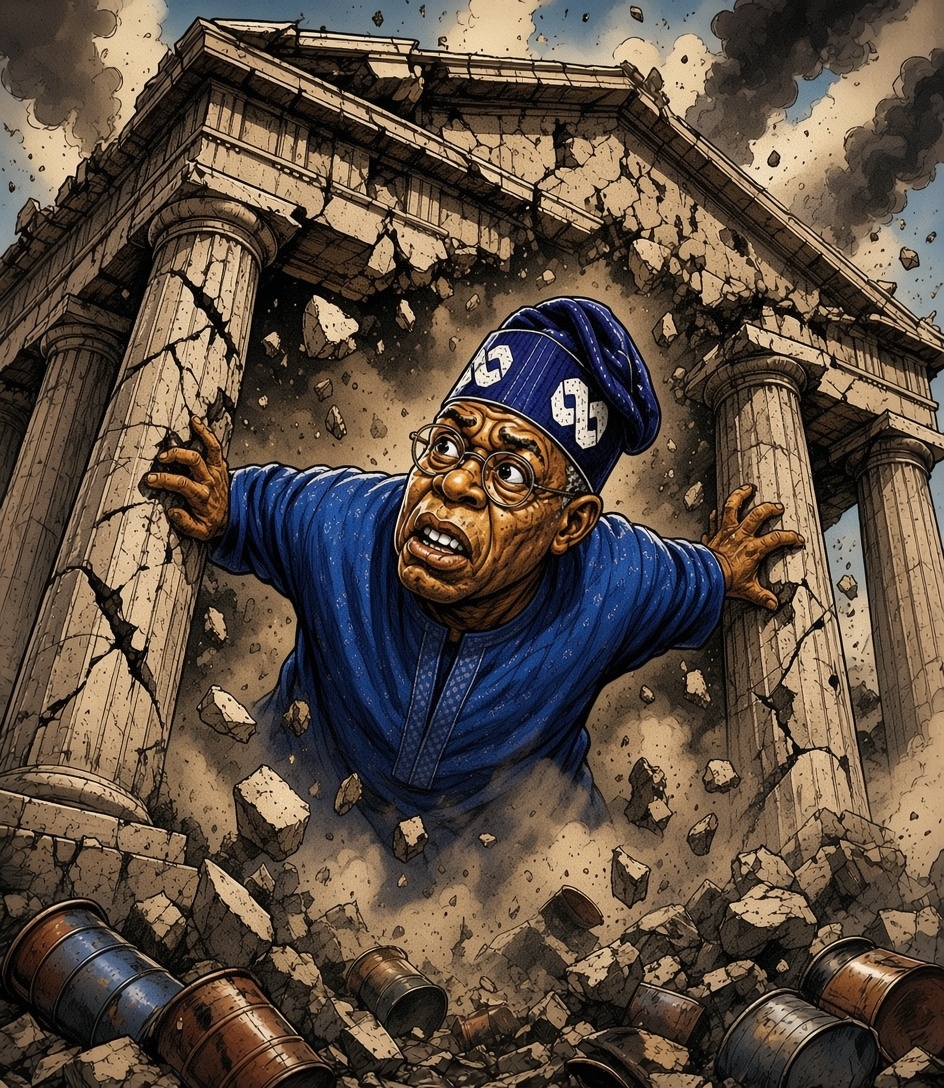
How to Rob a Bank and Get Hired as Head of Security: The Curious Case of Nigeria’s Oil by Historic Capital

Imagine waking up every morning to discover that your neighbor has kicked down your fence, siphoned your water tank, and hot-wired your generator. In most corners of the world, you’d call the authorities. But in the grand geopolitical theatre of Nigeria, there’s a much more inventive playbook: you write that neighbor a multi-billion-naira check and name them your Chief Security Officer.

The Ministerial Investment Scheme: Where Public Office Comes with a Receipt and a Recovery Plan By Lawson Akhigbe

In the grand theatre of Nigerian politics, where truth occasionally stumbles onto the stage like an uninvited guest who has had one too many, Alwan Hassan has just delivered a masterclass in accidental honesty.

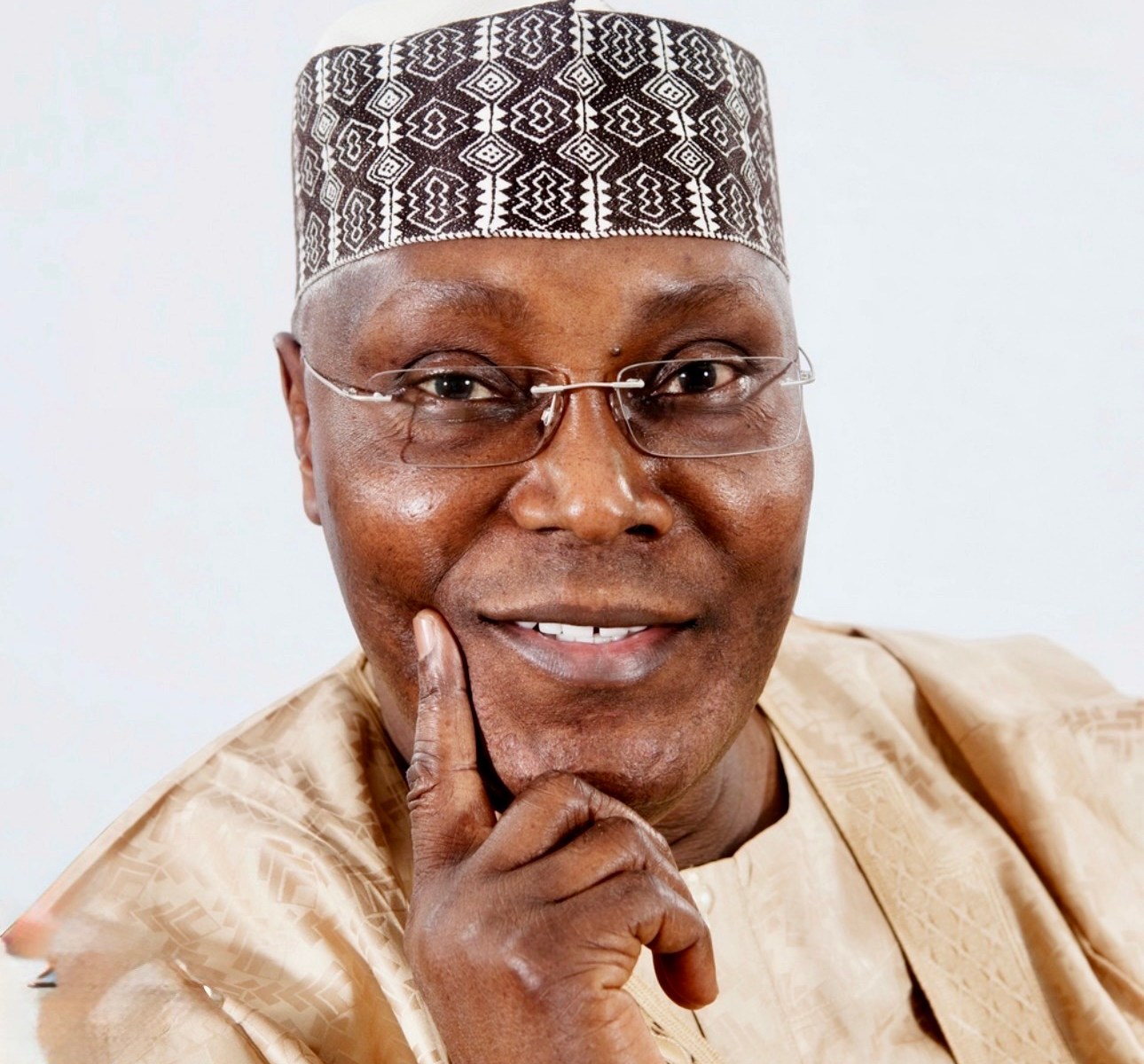
Twenty Years Late and Several Republics Short: On EJ, Atiku and Nigeria’s Habit of Reheating Cold Corruption by Lawson Akhigbe

In 1999, Olusegun Obasanjo and Atiku Abubakar rode into Aso Rock together, a presidential double act that Nigerians assumed would age like most political marriages: quietly, then not at all. They survived one term. They won a second in 2003. Then, somewhere in that second term, Obasanjo discovered a constitutional itch that the 1999 Constitution's two term, eight year ceiling on the presidency simply would not scratch. He wanted a third term. Atiku, nursing a presidential ambition of his own and possessed of the inconvenient habit of reading the Constitution literally, said so publicly. The friendship ended there.

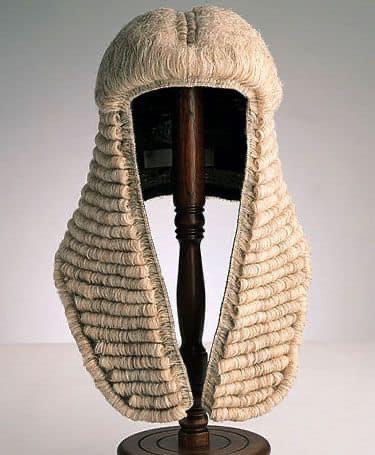
Nigerian Lawyers in Political Careers: A Historical, Structural, and Contemporary Analysis

The intersection of law and politics in Nigeria is profound and longstanding. Lawyers have disproportionately shaped the country’s political landscape, from pre-independence nationalism to post-1999 democratic governance. Legal training emphasizing advocacy, constitutional interpretation, negotiation, evidence-based reasoning, and oratory equips practitioners exceptionally well for political roles. This pattern reflects both the profession’s prestige and Nigeria’s constitutional emphasis on legal expertise in governance.