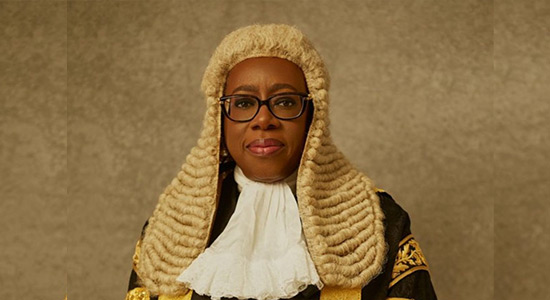
Nigeria’s judicial budget is a complex, contentious issue at the intersection of constitutional design, fiscal federalism, political power dynamics, and the practical realities of justice delivery. While the 1999 Constitution (as amended) enshrines judicial independence including financial autonomy the implementation reveals deep gaps between legal provisions and on-ground realities.
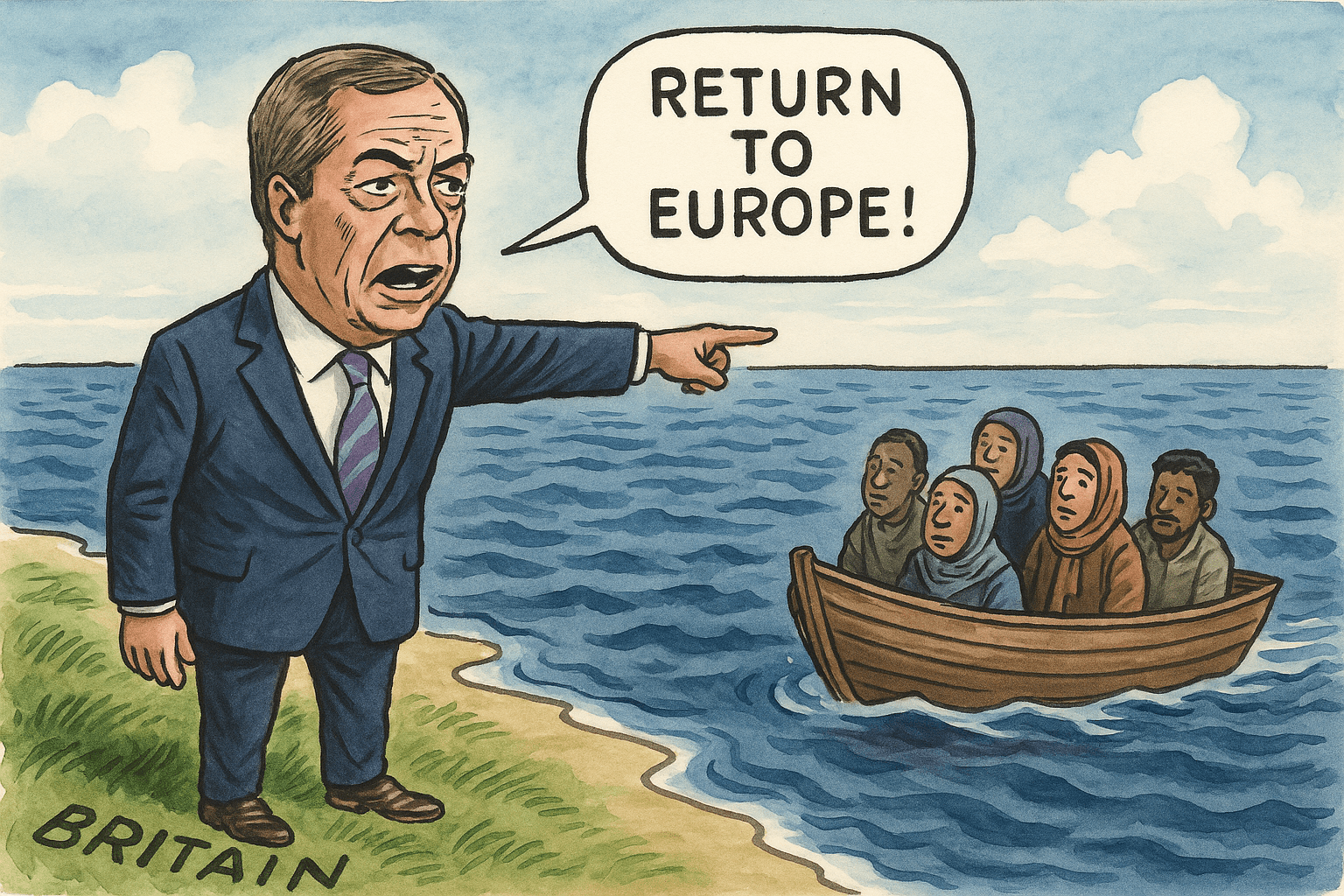
Carry On Terror Far Right Edition by Lawson Akhigbe
Every crisis deserves a prompt, and the far right is nothing if not punctual. Five men were arrested early on a Sunday near RAF Fairford, the Gloucestershire base from which US B-1 bombers have flown missions against Iran, after a local farmer noticed three white vans heading towards it. Bomb disposal robots trundled about the woods, and dozens of villagers were bundled out of their homes. Nigel Farage, meanwhile, had already left the building, intellectually speaking.
A Tale of Two Locations and One Citizenship by Lawson Akhigbe
Passports are supposed to be the great equalizers of national identity. If two people carry the green-backed book stamped with the Nigerian coat of arms, the constitution insists they share the exact same claim to fundamental dignity and justice. But citizenship, like roaming data on a prepaid SIM, appears to depend entirely on which borders your passport happens to cross.
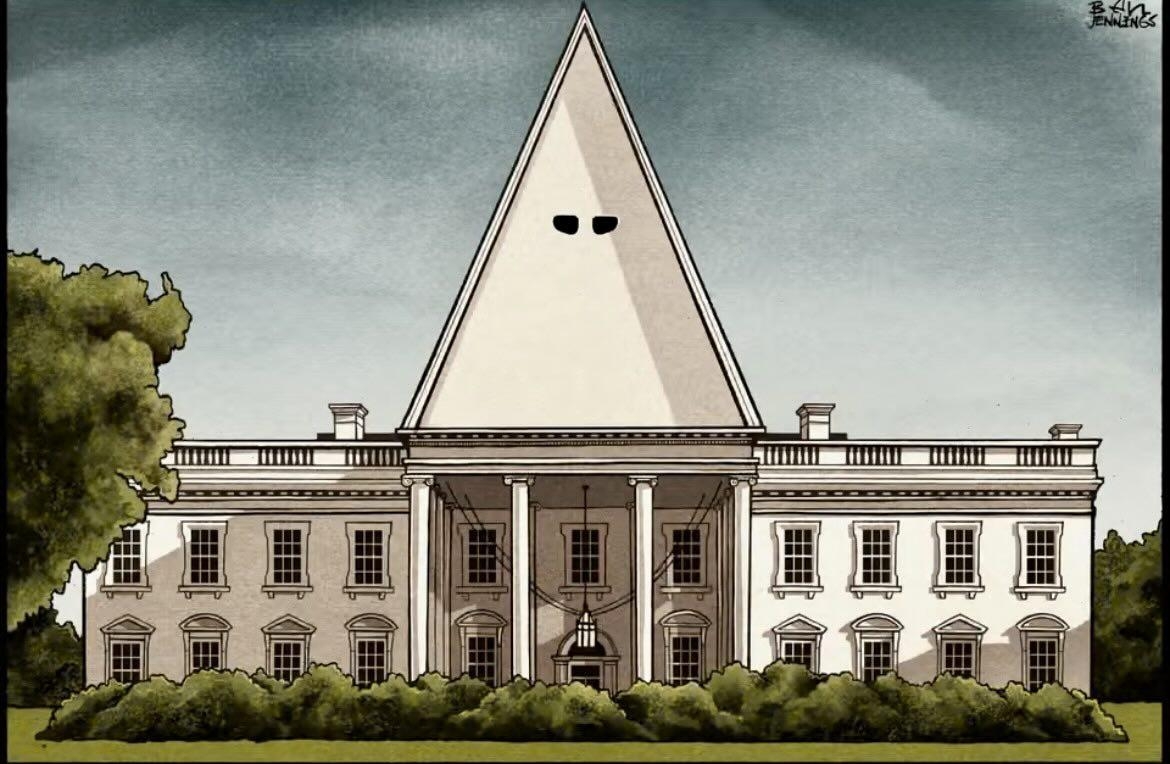
Same Shit, Different Hat: A Timeless Fashion Statement in Political Extremism by Lawson Akhigbe
Ah, the internet has done it again. While the rest of us are busy arguing over pineapple on pizza or whether socks with sandals constitute a war crime, some genius has distilled centuries of ideological garbage into one glorious, four-panel roast. Behold the meme that slaps you harder than your uncle at Thanksgiving: "Same Shit, Different Hat."
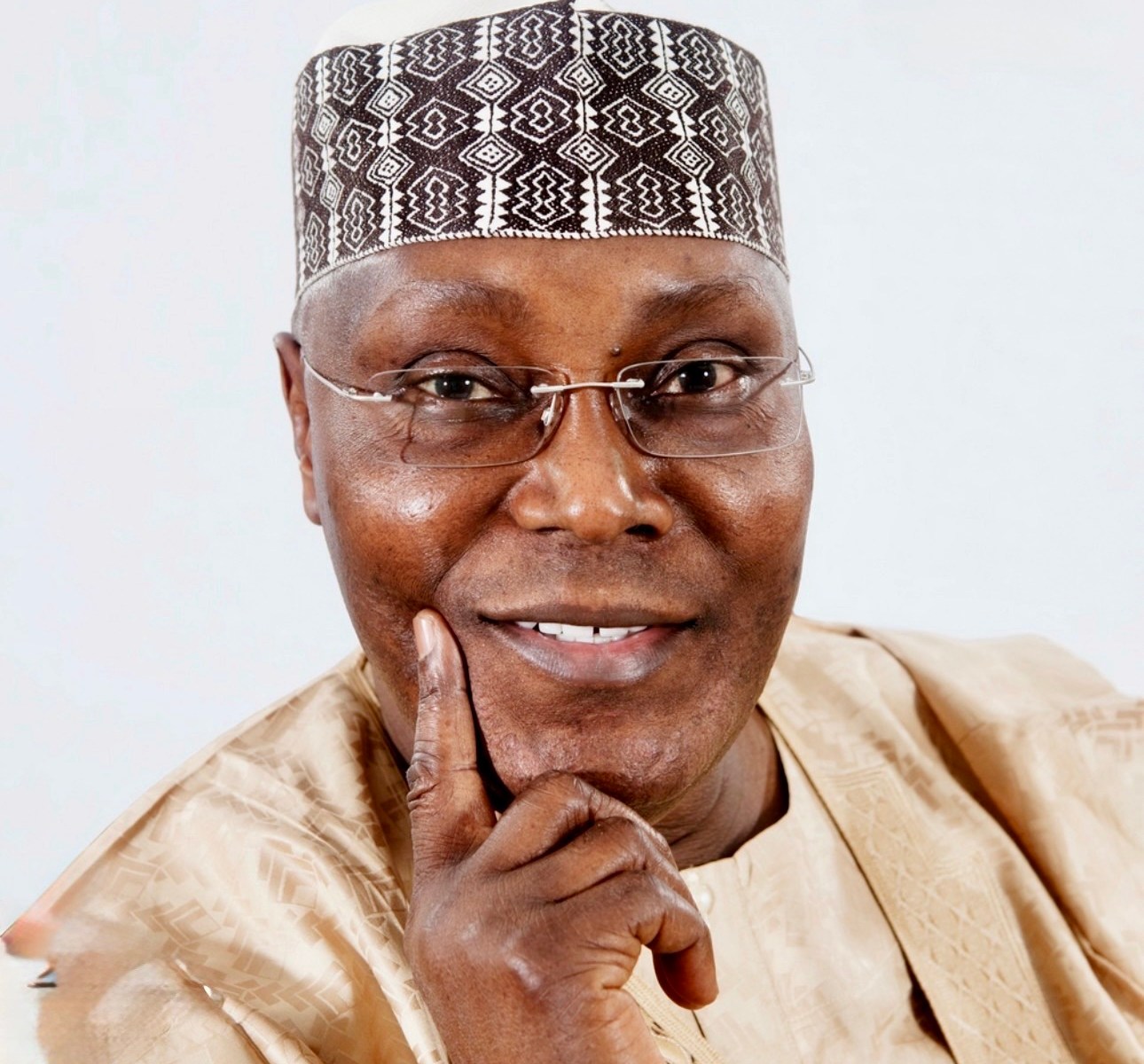
Twenty Years Late and Several Republics Short: On EJ, Atiku and Nigeria’s Habit of Reheating Cold Corruption by Lawson Akhigbe
In 1999, Olusegun Obasanjo and Atiku Abubakar rode into Aso Rock together, a presidential double act that Nigerians assumed would age like most political marriages: quietly, then not at all. They survived one term. They won a second in 2003. Then, somewhere in that second term, Obasanjo discovered a constitutional itch that the 1999 Constitution's two term, eight year ceiling on the presidency simply would not scratch. He wanted a third term. Atiku, nursing a presidential ambition of his own and possessed of the inconvenient habit of reading the Constitution literally, said so publicly. The friendship ended there.