The Samson Strategy: How the Tinubu Government Pulled the Temple Down on Itself Over PFIPC by Lawson Akhigbe

The Bola Ahmed Tinubu administration appears to have forgotten that rule in its handling of the Presidential Foreign Investment Promotion Council (PFIPC) controversy. In its determination to destroy the credibility of one man, Prince Adeniyi Matthew Adeyemi, it may have inflicted collateral damage on something far more valuable: the credibility of official government documentation itself.

The Art of the Bureaucratic Shrug: Why Nigerian Public Officials Never Bring a Pen to an Interview by Lawson Akhigbe

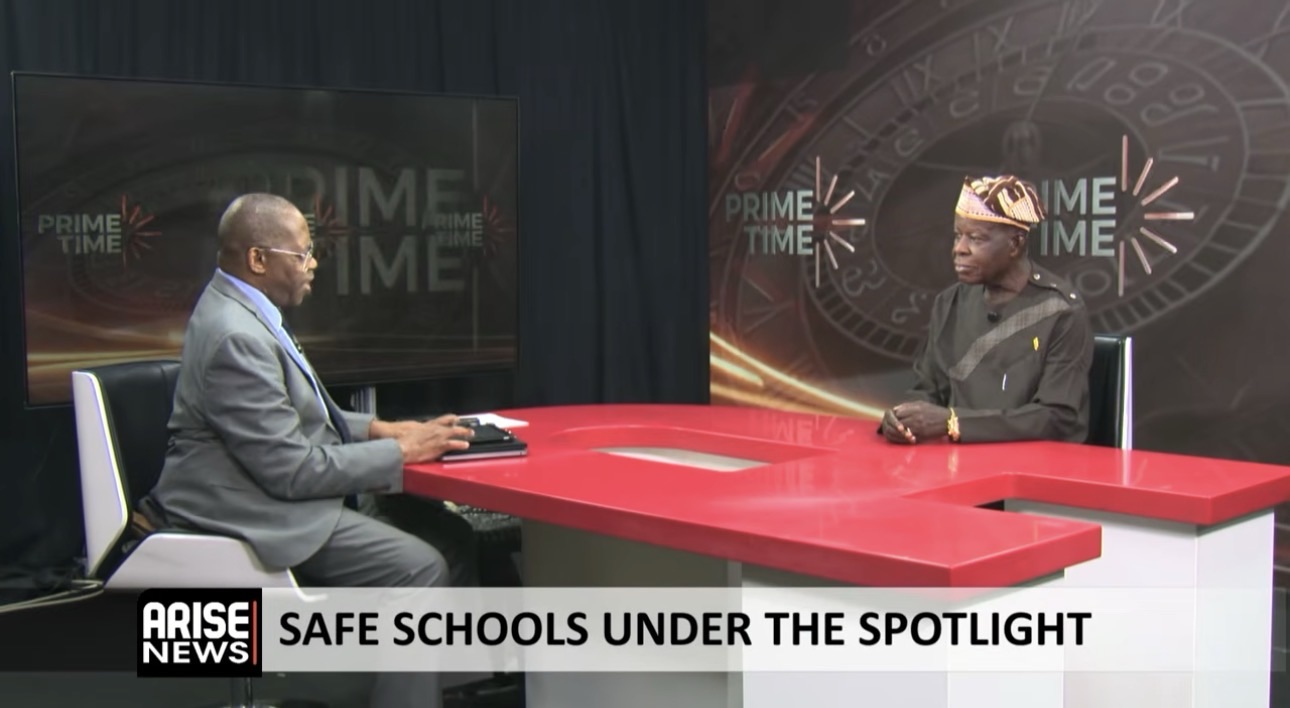
he backdrop of the interview was heavy: a massive Senate investigation into the "Safe Schools Initiative," a program conceptualized to protect students after the harrowing 2014 Chibok girls tragedy. We are talking about tracking billions of naira and over $30 million in donor funding. It’s the kind of high-stakes scrutiny that should make any public servant sweat through their starch-pressed Agbada.

IS Responds to Military Pressure in Nigeria

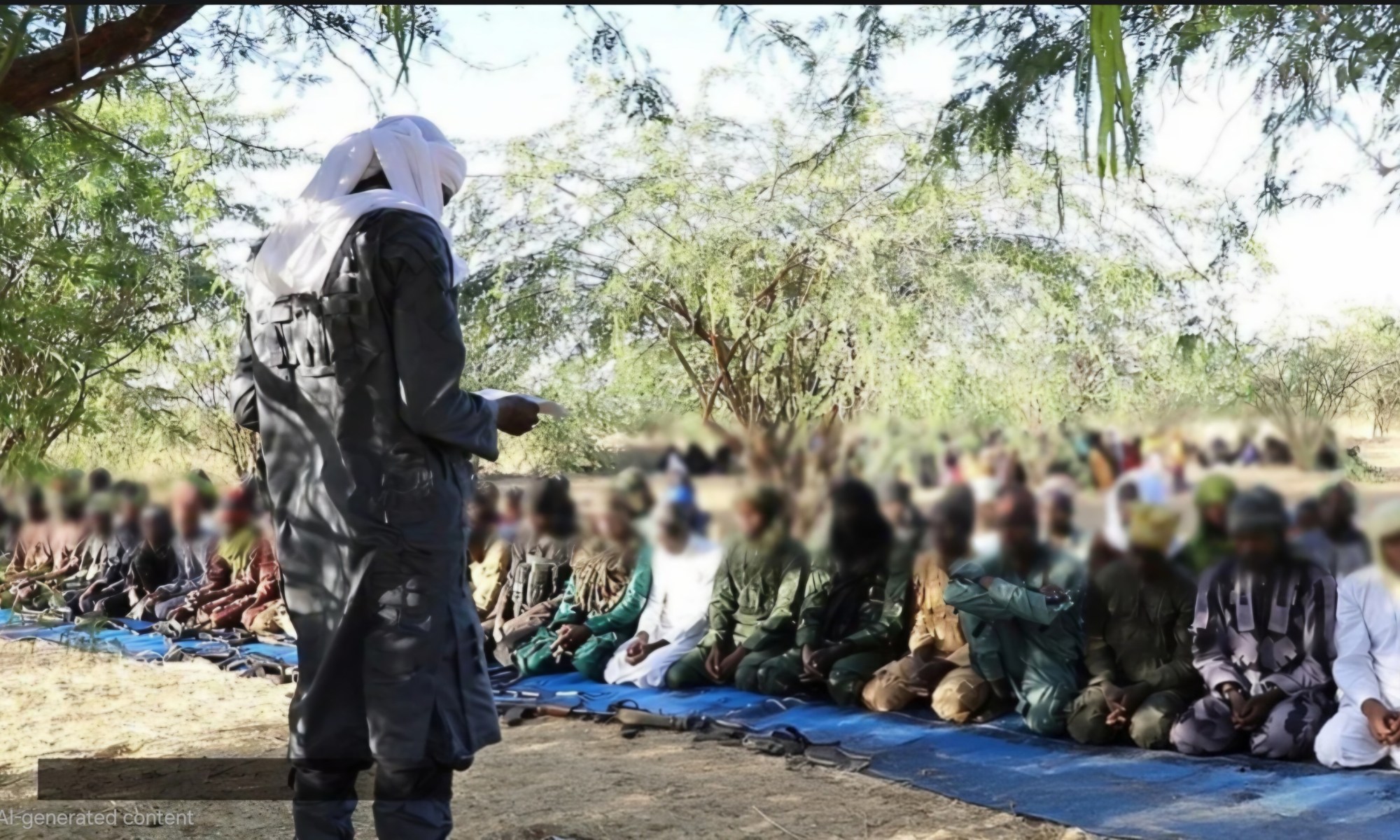
Despite Nigeria's assessment, the emerging consensus was that Lakurawa was not a unified entity but rather an umbrella term, and that attacks attributed to the group were likely perpetrated by a mix of Islamic State Sahel Province (ISSP). JNIM, bandits. and potentially a separate new group operating under the label without claiming responsibility.

The Defence of Femi Gbajabiamila: The Case Against Assumption; He Is Not the One on Trial by Lawson Akhigbe

The prosecution says he cannot be trusted because he once faced disciplinary proceedings in another jurisdiction decades ago. Yet even if every fact of that matter is accepted, the question before this court remains simple: what relevance does an event from more than twenty years ago have to allegations made today?

The Nigerian Police Force: A Colonial Machine That Never Changed by Lawson Akhigbe

To understand the modern Nigerian Police Force, one must first understand its origins. The uncomfortable truth is that the institution was never created to protect ordinary Nigerians. It was established to protect the interests of those who ruled Nigeria, first the British colonial administration and later the Nigerian political elite that inherited the colonial state.