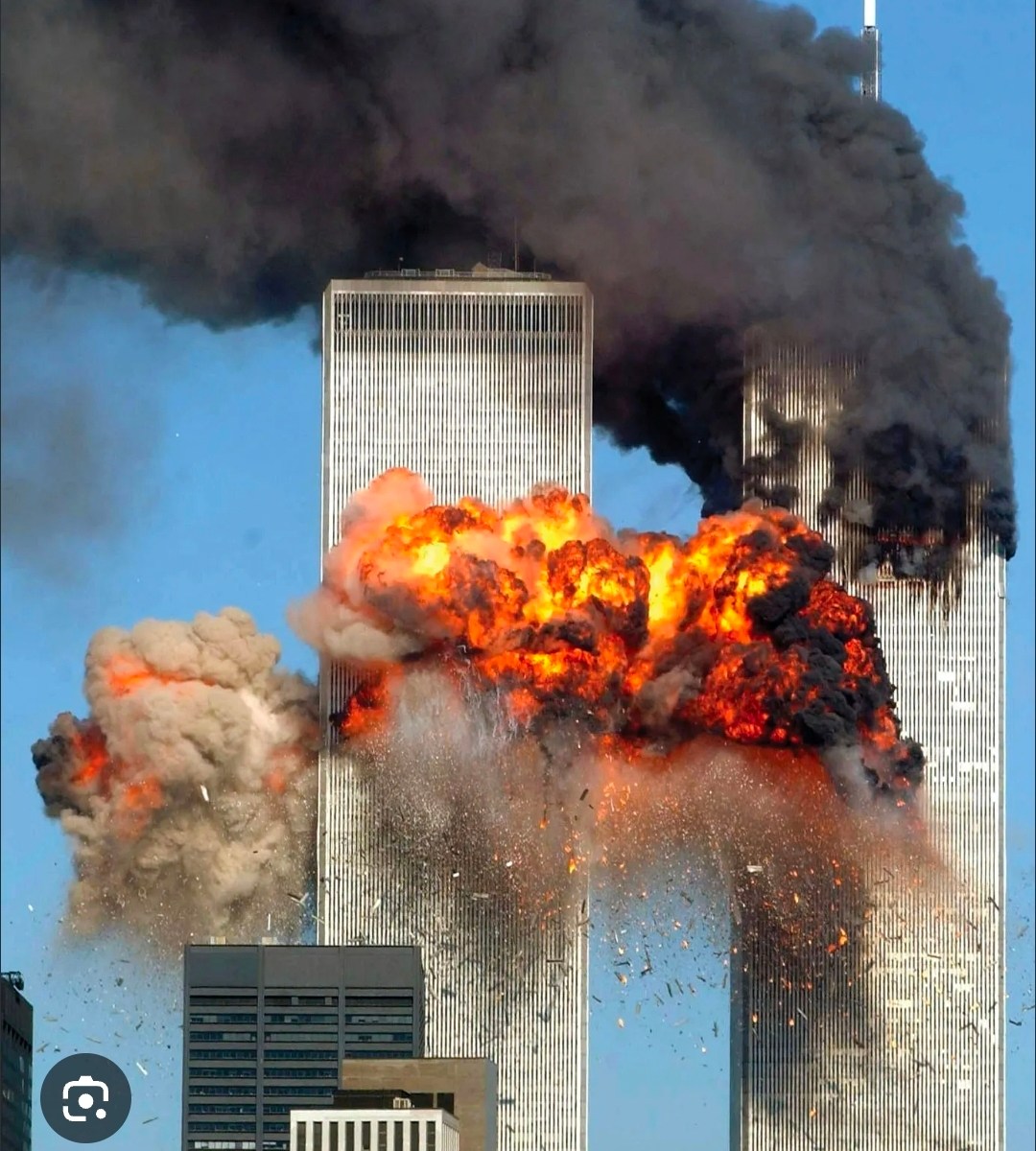
In the fearful months and years following the terrorist attacks of 11 September 2001, Western democracies faced an unenviable dilemma. Their citizens demanded protection from an enemy that recognised no borders, wore no uniforms and deliberately targeted civilians.
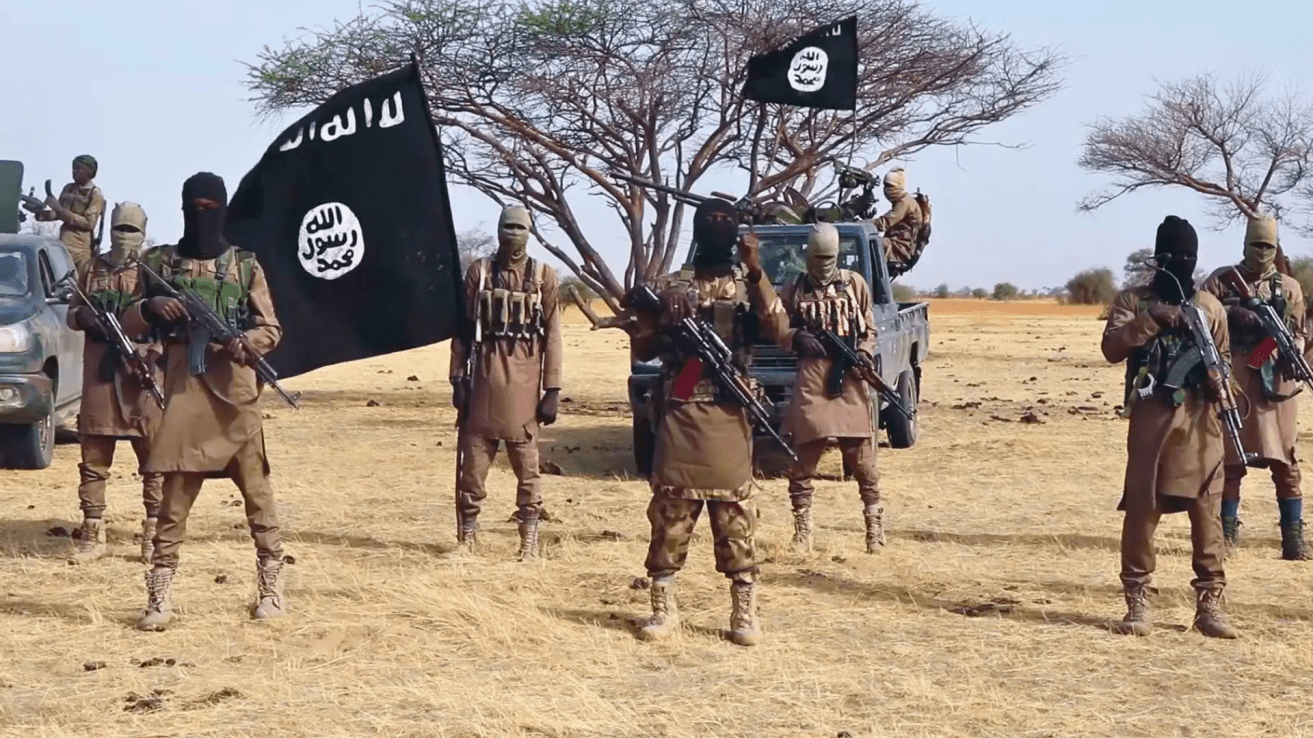
IS Responds to Military Pressure in Nigeria
Despite Nigeria's assessment, the emerging consensus was that Lakurawa was not a unified entity but rather an umbrella term, and that attacks attributed to the group were likely perpetrated by a mix of Islamic State Sahel Province (ISSP). JNIM, bandits. and potentially a separate new group operating under the label without claiming responsibility.
When Tactical Brilliance Meets Strategic Confusion: Washington’s Iran Problem by Lawson Akhigbe
But wars are not graded like Olympic gymnastics. There are no medals for technical execution if the end result leaves your opponent intact, emboldened, or—worse—adapted.
Crocodile Tears and Caliphate Dreams: The Selective Christianity of Washington’s Nigeria Policy By Lawson Akhigbe
Let it be said plainly: Christians are dying in Nigeria's Middle Belt and northeast, in numbers that shame a government which has spent a quarter-century treating internal security as a procurement racket rather than a constitutional duty. That much is not in serious dispute, whatever Abuja's spokesmen protest on television. But sincerity and self-interest are not mutually exclusive states, and it takes a special sort of credulity to receive Donald Trump's sudden solicitude for Black Christians in the Sahel as anything other than what it plainly is a foreign policy improvised from a domestic culture war, deployed by an administration whose relationship with racial minorities at home has rarely troubled itself with tenderness. One does not have to admire
Tinubu, the Sahel and Nigeria’s Most Dangerous Foreign Policy Failure
There was a time when Nigeria did not wait for foreign capitals to define West African security. From the anti-apartheid struggle in Southern Africa to military interventions in Liberia and Sierra Leone, Nigeria projected power, influence and diplomatic leadership. Whether one agreed with its methods or not, nobody doubted who was leading.