

The first casualty of terrorism is innocent life.
The second is often liberty.
In the fearful months and years following the terrorist attacks of 11 September 2001, Western democracies faced an unenviable dilemma. Their citizens demanded protection from an enemy that recognised no borders, wore no uniforms and deliberately targeted civilians.
Governments responded with sweeping counter-terrorism legislation. Britain was no exception.
Measures that would once have been regarded as extraordinary became politically acceptable. Expanded police powers, broader criminal offences, longer periods of detention and increased surveillance all found their way onto the statute book. Many of these laws represented significant departures from Britain’s traditional liberal understanding of the relationship between the citizen and the State.
The public largely accepted them.
Why?
Because most people believed the laws would only ever affect “the other”.
The suspected Islamist.
The foreign extremist.
The radical preacher.
The dangerous stranger.
Very few imagined that one day those same legislative powers might be deployed in circumstances far removed from the terrorism that had prompted Parliament to enact them.
That is the nature of the law.
It is a blunt instrument.
Once Parliament creates a legal power, it does not come with an expiry date tied to the political mood of the day. Governments change. Priorities change. Threats evolve. Yet the statutory powers remain, ready to be used by those who inherit them.
This is the constitutional danger that civil libertarians warned about more than two decades ago.
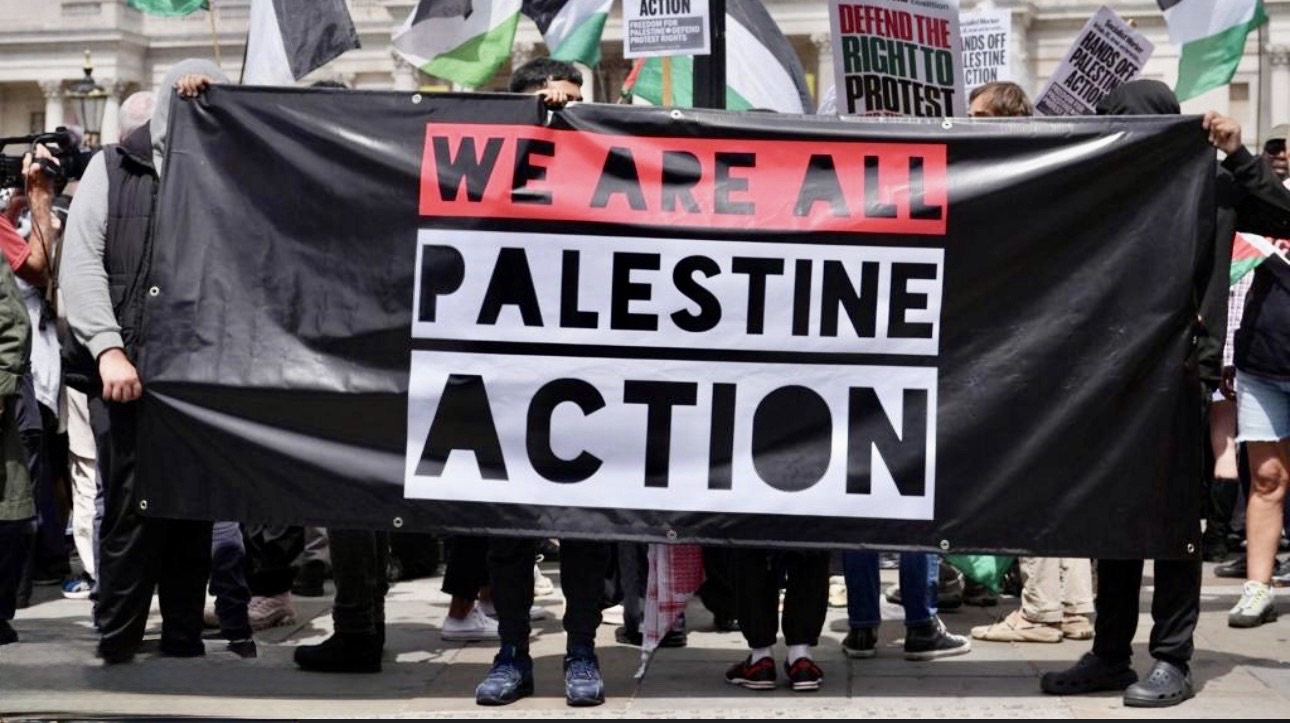
Today, the United Kingdom finds itself engaged in fierce debate over the policing of protests connected with Israel’s military campaign in Gaza, which many governments, international organisations and legal scholars have described as giving rise to allegations of genocide that are currently before international courts.
Whether one supports Israel, supports Palestine or wishes only for peace, an undeniable constitutional question has emerged.
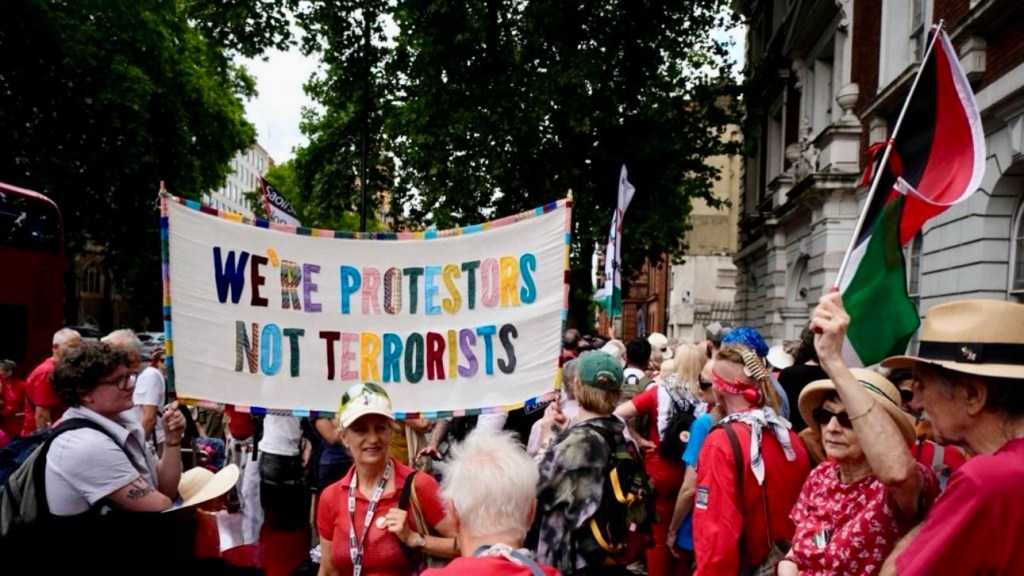
Counter-terrorism laws and powers originally introduced to combat organised terrorist violence are increasingly appearing in cases connected with political protest. Elderly demonstrators, grandparents, students and ordinary citizens have found themselves arrested or investigated under legislation that many assumed would be reserved for terrorists in the ordinary meaning of that word.
Reasonable people may disagree about whether those arrests are legally justified. That is precisely why the issue matters.
The debate is no longer about “them.”
It is about “us.”
When fear legislates, liberty usually pays the bill.
History teaches that emergency legislation has an extraordinary tendency to outlive the emergency that produced it. Governments rarely surrender powers voluntarily. Instead, those powers quietly expand into areas that Parliament may never have contemplated when they were enacted.
That is the law of unintended consequences.
It is also why democracies should resist legislating in moments of public panic. Laws drafted to answer today’s outrage often become tomorrow’s instruments of routine governance.
There is another lesson.
Mob justice never strengthens the rule of law.
When public anger demands immediate action, politicians often respond with broad legislation intended to reassure rather than to endure constitutional scrutiny. Those applauding such laws frequently assume they will forever be aimed at someone else.
History suggests otherwise.
The machinery of the State does not distinguish between popular and unpopular causes. It simply applies the powers Parliament has given it.
Every democracy must possess effective tools to combat genuine terrorism. No sensible person argues otherwise.
But counter-terrorism powers should remain proportionate, carefully supervised and confined to the purpose for which they were created. The closer those powers move towards regulating ordinary political dissent, the more carefully they deserve to be scrutinised.
Liberty is not truly tested when it protects views we agree with.
It is tested when it protects the rights of those whose opinions we profoundly dislike.
Many applauded these laws because they believed the target would always be somebody else.
The law had different ideas.
A blunt instrument does not ask whose door it is knocking on.
It simply knocks.

