The Defence of Femi Gbajabiamila: The Case Against Assumption; He Is Not the One on Trial by Lawson Akhigbe

The prosecution says he cannot be trusted because he once faced disciplinary proceedings in another jurisdiction decades ago. Yet even if every fact of that matter is accepted, the question before this court remains simple: what relevance does an event from more than twenty years ago have to allegations made today?

Major Chip Hazard Goes to Washington: When Toy Soldiers Run the War Department by Lawson Akhigbe

Donald Trump’s return to the White House marked the triumph of image over expertise. Cabinet positions increasingly resembled casting decisions. Loyalty became more important than experience. Television skills became more valuable than administrative competence.

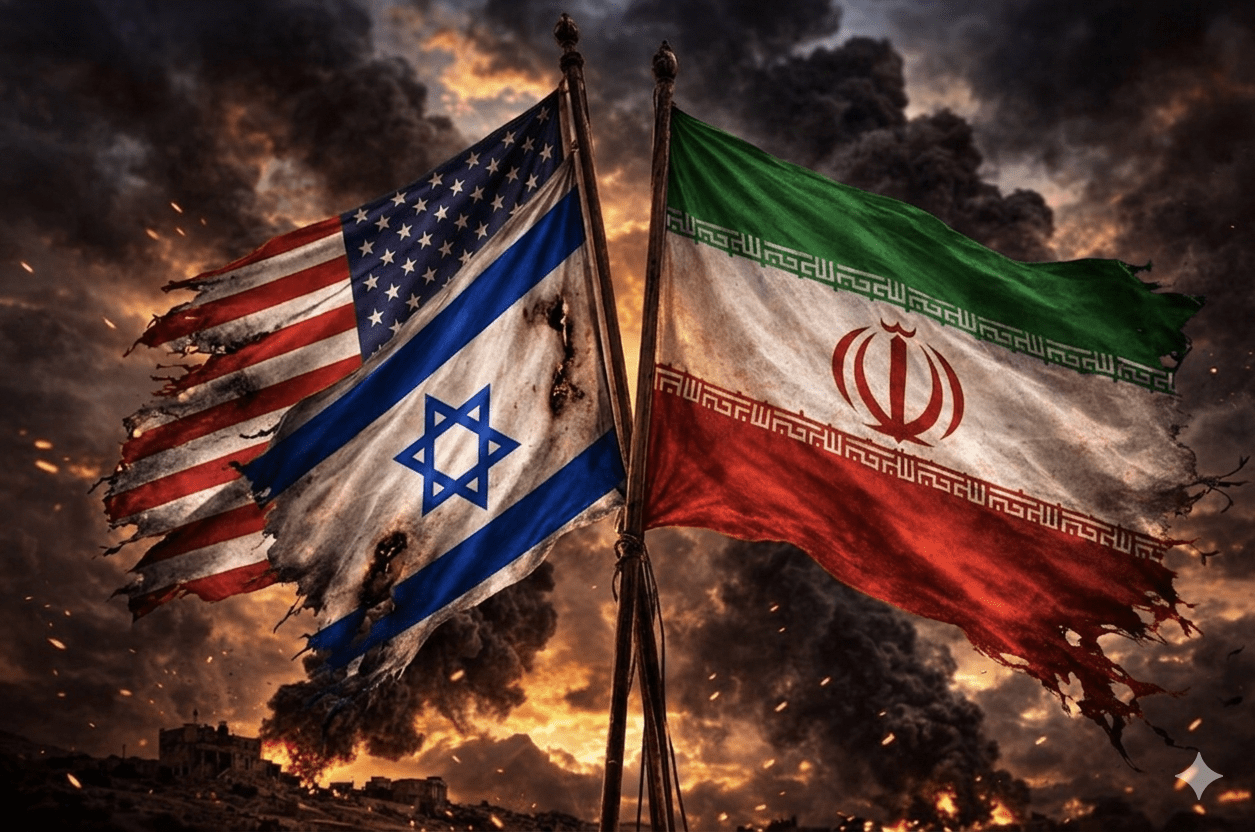
When Tactical Brilliance Meets Strategic Confusion: Washington’s Iran Problem by Lawson Akhigbe

But wars are not graded like Olympic gymnastics. There are no medals for technical execution if the end result leaves your opponent intact, emboldened, or—worse—adapted.

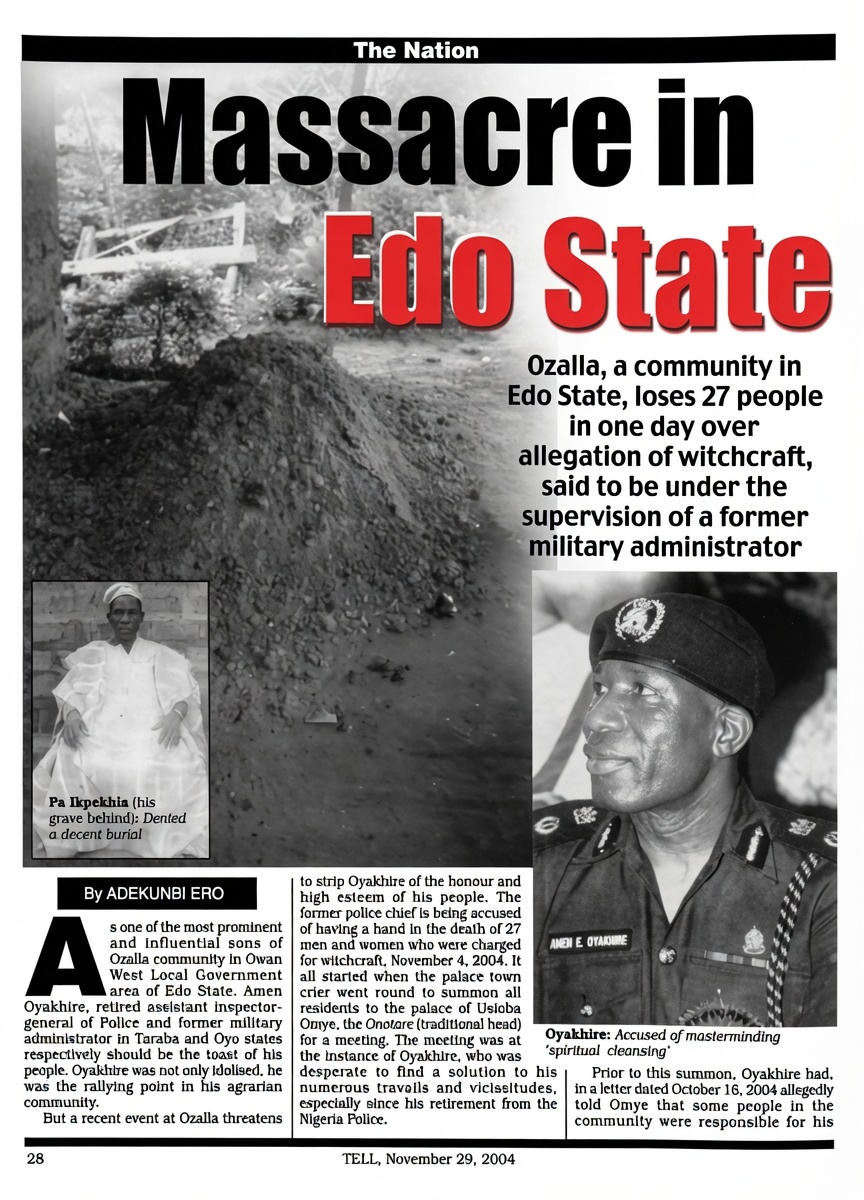
Amen Edore Oyakhire 

Amen Edore Oyakhire (born 21 October 1945) was the Military Administrator of Taraba State between August 1996 and August 1998 during the military regime of General Sani Abacha. He was then administrator of Oyo State during the transitional regime of General Abdulsalami Abubakar, handing over to the elected civilian governor Lam Adesina in May 1999 at the start of the Fourth Republic.

When the Court Said “No” and the Military Said “Watch Me”: The Landmark Case of Emmanuel Olatunde Lakanmi v. Attorney-General (West) [1971] By Lawson Akhigbe

The Case of Lakanmi & Kikelomo Ola v. Attorney-General (West) & Others The post discusses a landmark Nigerian legal case, "Lakanmi & Kikelomo Ola v. Attorney-General (West) & Others," which highlights the tension between the judiciary and the military government in Nigeria. Background: Following the military coup of January 15, 1966, Nigeria was ruled by the Federal Military Government (FMG) which issued decrees and edicts without a proper court process. Lakanmi and others were seized of their assets under the Western State Assets Forfeiture Edict, which established a tribunal to investigate individuals and seize their assets. Judgment: The courts, remarkably, agreed with Lakanmi and others, and their challenge succeeded. The Supreme Court ruled in their favor again, laying down some of the most important constitutional principles in Nigerian legal history. Constitutional Principles Established: 1. Military Government Is Revolutionary, Not Sovereign: The Supreme Court made a distinction that the military did not govern by inherent sovereign authority. It came to power through revolution, an extra-legal, factual event, and therefore its authority was necessarily limited by the nature of its origin. The post emphasizes the courage and intellectual rigor of the judiciary in delivering a judgment that challenged the military government's authority. It also highlights the government's retroactive legislative action, which nullified the court's judgment and effectively told the judiciary that it would not be needed.