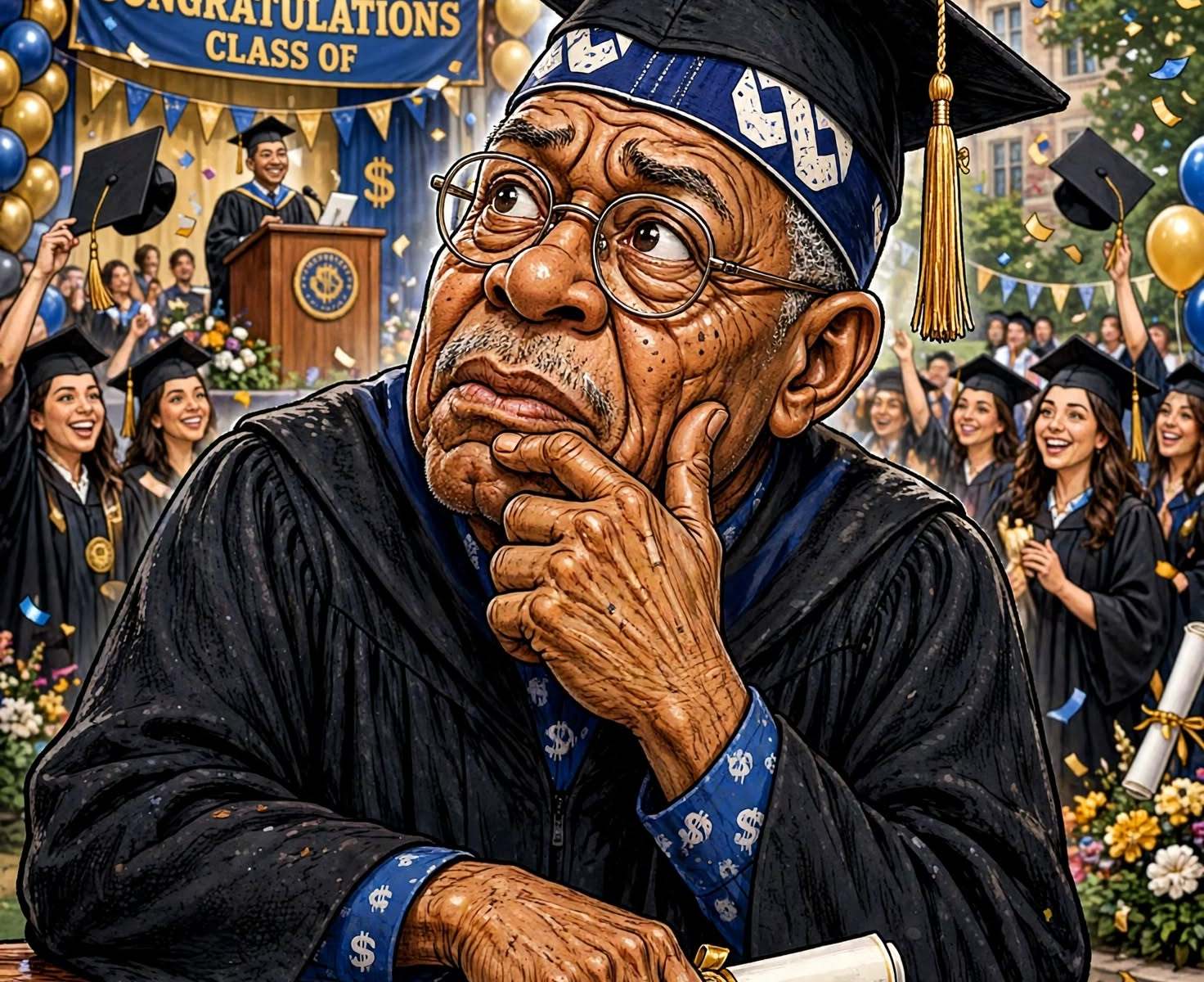
President Bola Ahmed Tinubu and his APC government have proclaimed an ambition to build a one-trillion-dollar Nigerian economy.
A Trillion-Dollar Economy, But Whose Nigeria? By Lawson Akhigbe


Reporting News and opinions
President Bola Ahmed Tinubu and his APC government have proclaimed an ambition to build a one-trillion-dollar Nigerian economy.

There is a peculiar brand of honesty that only slips out when an official forgets to read the democratic script. Usually, freshly inaugurated politicians feel obliged to rehearse the standard civic pieties muttering something about service delivery, the rule of law, or the sovereign will of the people. But every once in a while, the system produces a moment of pure, unvarnished clarity.
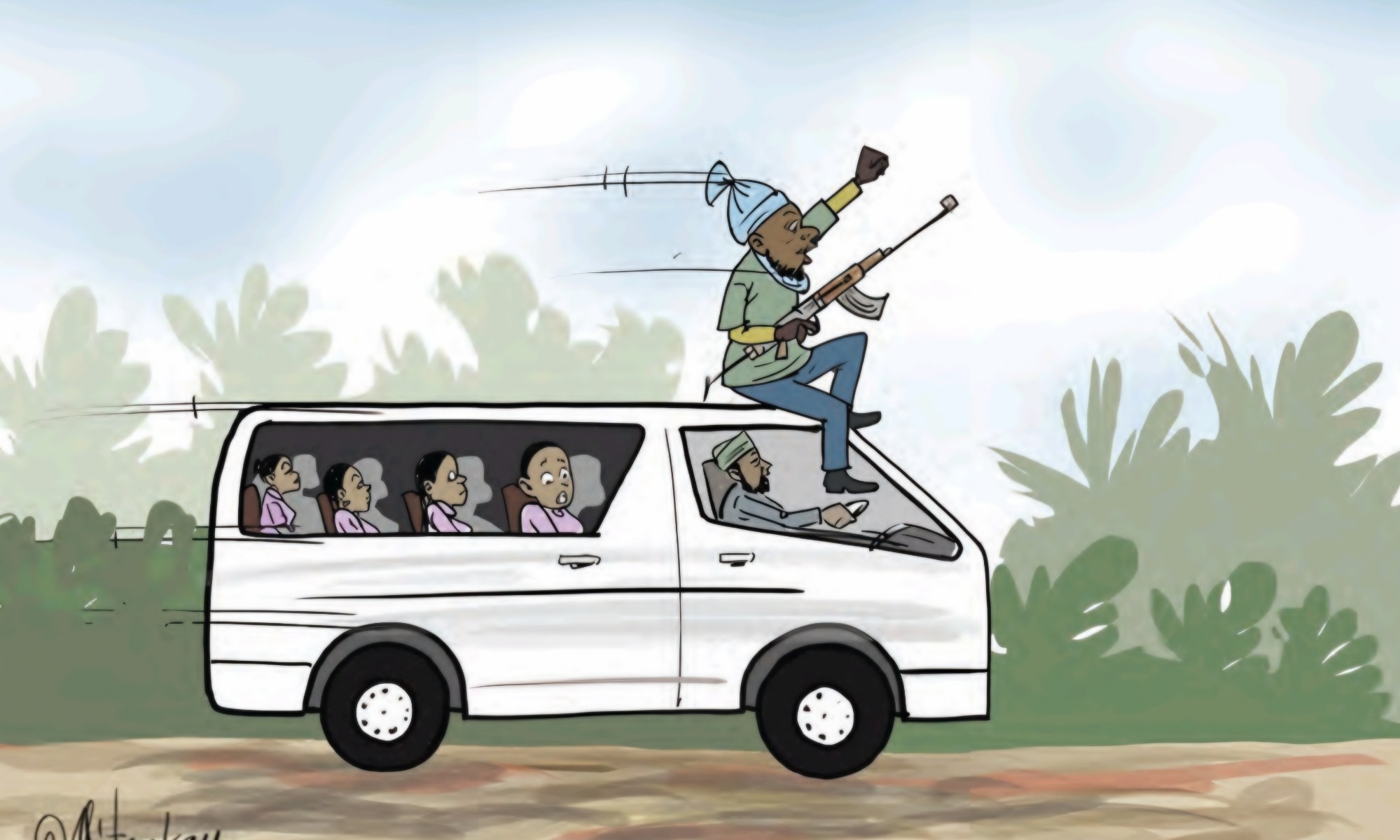
There are some moments in political history that survive long after the politicians involved have left office. Not because of a great speech. Not because of a great policy. But because somebody asked a very simple question and refused to let it escape through the nearest political fire exit.
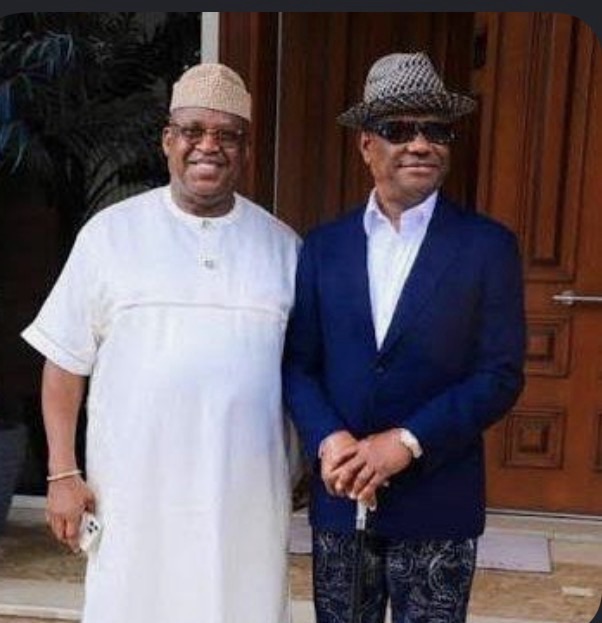
Chief Daniel Osi Orbih is dead, and Edo State’s political class has responded the way it always does when one of its own departs: with a grief so generous it retroactively forgives everything the man ever did. Orbih passed away on Monday, 31 August 2026, at the age of 64, and within hours the condolences arrived in a queue, each one more magnanimous than the last, as though the deceased had spent his career building roads rather than blocking them.

If you had told a political scientist thirty years ago that a lineup featuring Boris Johnson, Nigel Farage, Donald Trump, and Bola Ahmed Tinubu would simultaneously dictate the fortunes, policies, and discourse of major world democracies, they would have recommended you take a quiet walk and a cold shower. Yet here we are, sitting in the front row of a geopolitical comedy-drama where the plot is made up and the rules don't seem to matter.

