

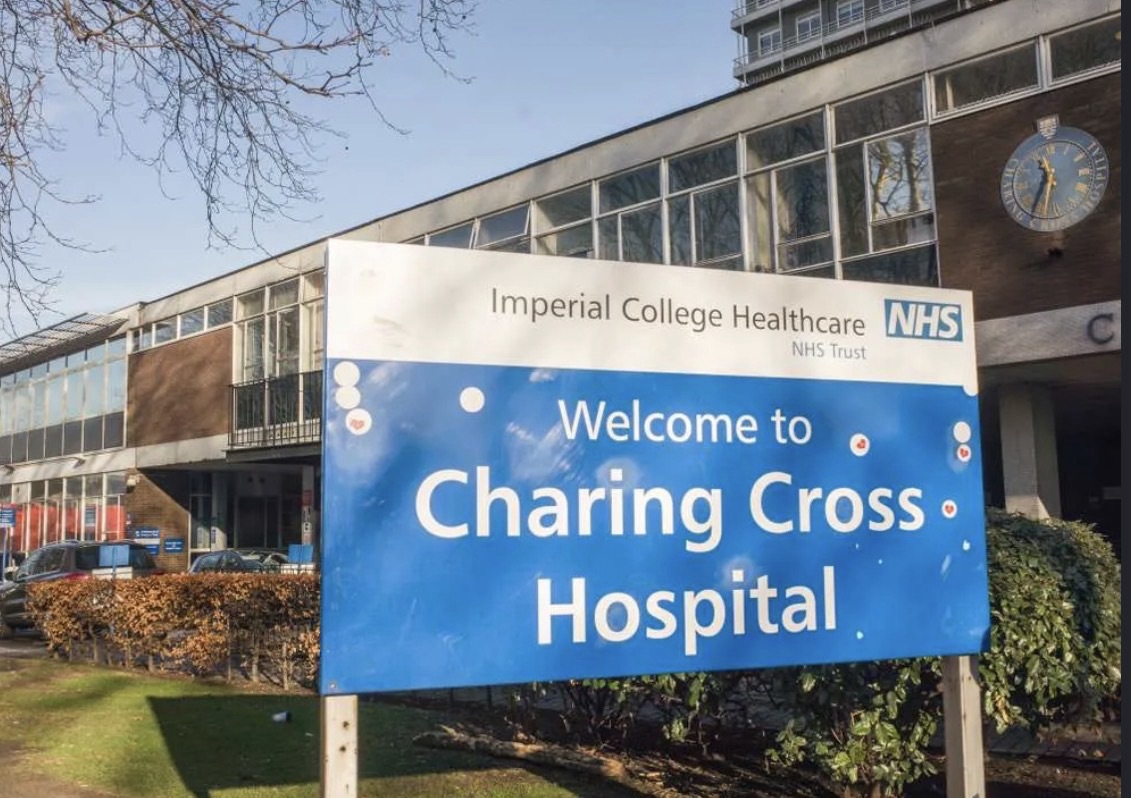
Charing Cross Hospital sits in that peculiar West London sweet spot where the average house price has long since waved goodbye to the million-pound mark and is now busy collecting gold medals in the “how high can we go” Olympics. The surrounding streets are a parade of desirable postcodes, glossy estate agent boards, and the quiet confidence of people who regard a £1.2 million two-bed as a “starter home” if you squint hard enough and ignore the service charge.
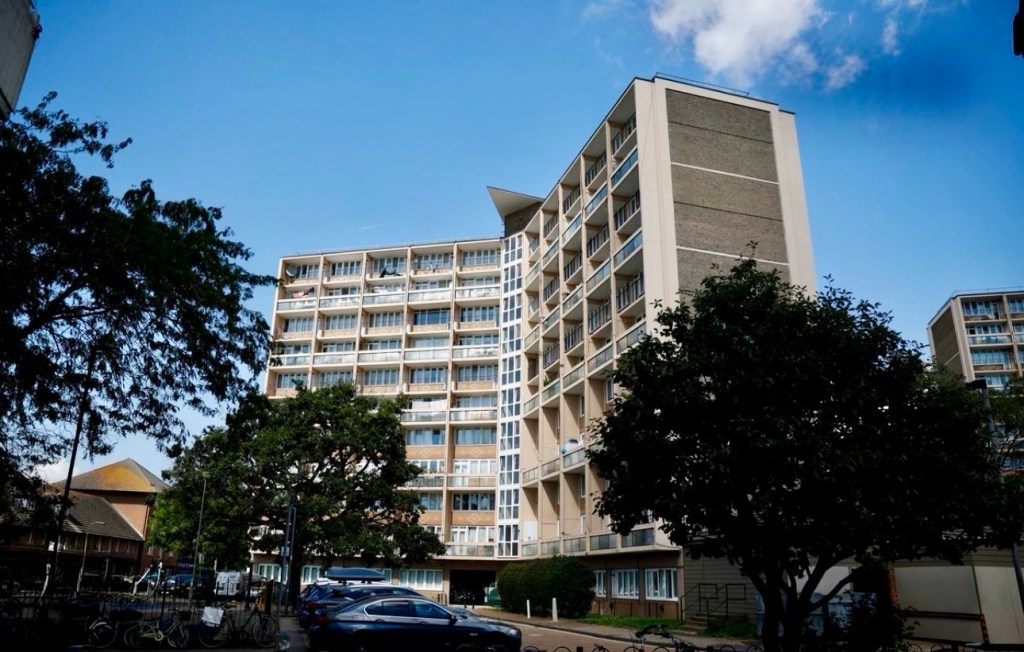
Right next door, almost as if the town planners were having a laugh, sits Clem Attlee Court. Named, with delicious historical irony, after the man who gave Britain the NHS and a serious dose of council housing. The estate is home to people who, by and large, are not flipping properties or debating the merits of underfloor heating. Many are on benefits or minimum wage. Roughly 45% of the housing stock remains in local authority hands; the rest has been sold off, let out, or otherwise released into the free market’s loving embrace. It is the classic London juxtaposition: champagne and chips within the same postcode, the affluent and the just-about-managing living parallel lives that occasionally brush against each other in the Tesco queue or the hospital corridor.
And the hospital needs staff. Doctors, nurses, cleaners, porters, the whole supporting cast without whom the place collapses into a very expensive waiting room. The problem is that most of them do not live within fifty miles. Why would they? The cost of getting to work has become a second rent. Rail privatisation turned the daily commute into a subscription service with declining reliability and rising prices. Driving means congestion charges, ULEZ, and hospital parking fees that could fund a small European holiday. Living nearby means competing with people who treat a million-pound flat as a reasonable investment rather than a mathematical impossibility on a Band 5 salary.
So how does the political Right propose to circle this particular square?
The standard response is a masterclass in elegant deflection. Housing supply, they say. Build more. Deregulate planning. Let the market work its magic. Never mind that the market has already worked its magic in Fulham and Hammersmith: it produced £1 million-plus homes and a hospital that cannot retain the people who keep it running. The Right’s preferred solution is usually more of the same medicine that created the disease, delivered with the confidence of a man explaining that the best cure for drowning is more water.
Then comes the moral instruction. Staff should simply live further out and accept longer journeys. Ambition, resilience, the old stiff upper lip. Commuting three hours a day is not a policy failure; it is character-building. Cleaners and junior nurses are expected to treat the daily financial haemorrhage of train fares and petrol as a character-building exercise in personal responsibility. Meanwhile, the same voices who celebrate “hard work” somehow never quite manage to explain why the people doing the hard work cannot afford to live near the work.
Immigration, of course, makes a guest appearance. The Right will note, with varying degrees of subtlety, that the NHS relies on overseas staff. True enough. What they rarely follow with is the observation that those overseas staff are themselves priced out of the same local housing market, and that the alternative — training and retaining more home-grown staff — requires the very investment in housing, pay, and working conditions that the Right has spent decades treating as socialist excess.
There is also the quiet preference for the status quo that keeps the affluent neighbourhoods affluent. More social housing near Charing Cross? More key worker accommodation on hospital land? The Right tends to discover sudden and passionate concerns about “preserving the character of the area” the moment anyone suggests that the people who staff the hospital might actually live near it. Clem Attlee Court is tolerated as a residual reminder of a different era; expanding that model is treated as an ideological threat.
The circle, then, is not squared. It is simply ignored, or blamed on the previous government, or on Brussels, or on woke planning officers, or on the inherent laziness of people who refuse to commute from Milton Keynes on a cleaner’s wage. The hospital continues to need staff. The staff continue to live elsewhere. The affluent residents continue to enjoy excellent healthcare delivered by people who cannot afford to live among them. And the political Right continues to insist that the market, if only left alone a little longer, will eventually sort it all out.
One suspects the market has already sorted it out. It has sorted the housing into the hands of those who can pay, the staff into long, expensive journeys, and the contradiction into the “too difficult” tray. Clem Attlee would, one imagines, have had a dry observation or two about the whole arrangement. But then he believed in building houses for the people who needed them, which is precisely the sort of outdated thinking the modern Right has so successfully moved beyond.

