Was there a ledger to square: Britain’s rule in Nigeria by Lawson Akhigbe

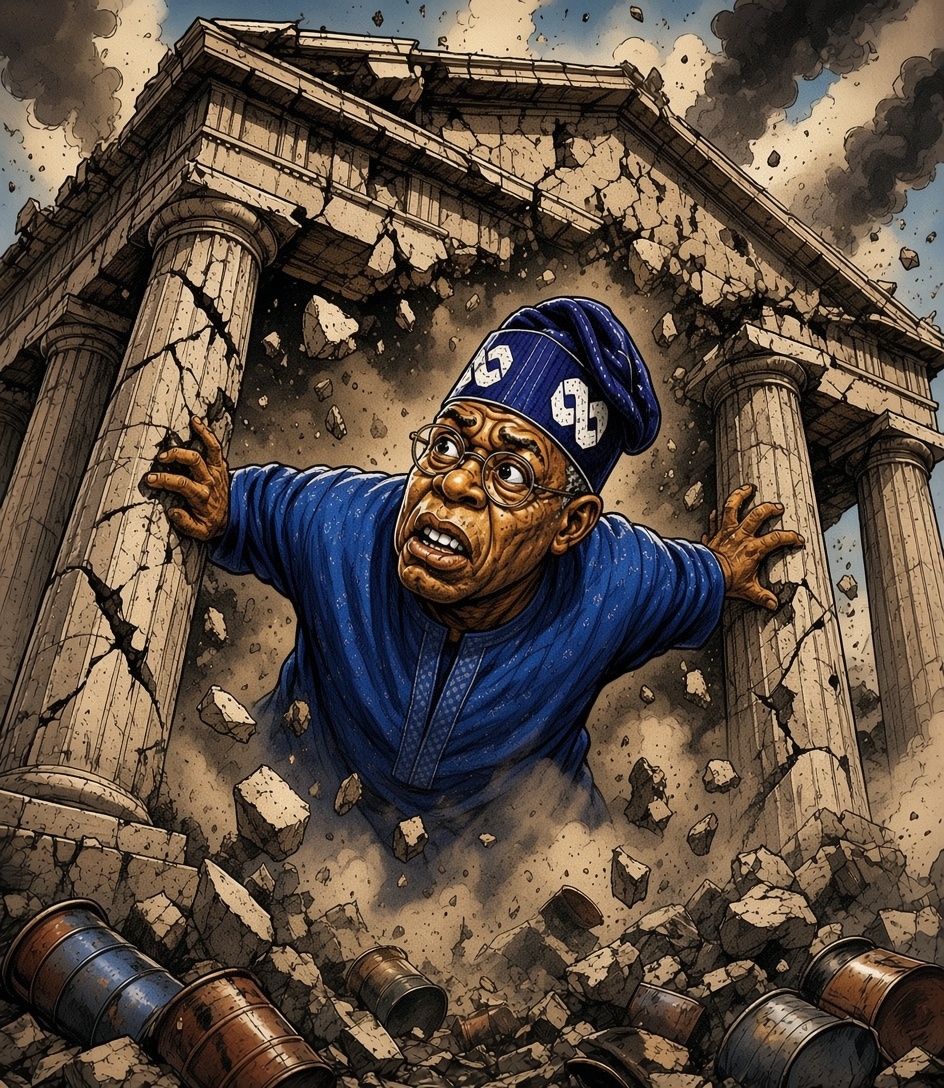
The late Sam Mbakwe, first civilian governor of Imo State and a man whose impatience with mediocrity remains legendary, once declared that he would gladly invite the British back to rule Nigeria for another fifty years. Other politicians have echoed the sentiment over the decades, usually after another round of epileptic power, collapsed roads, or the discovery that the latest “transformation agenda” had transformed mainly the bank balances of its authors. The quip is usually delivered with a sigh, half-joke, half-confession: better the colonial taskmaster who at least kept the trains roughly on time than the indigenous ones who treat the national timetable as optional reading.

David Cameron: The Prime Minister Who Kept Proving Enoch Powell Right

Enoch Powell famously observed that “all political careers end in failure.” Whether one agrees with the man or not, the aphorism has endured because politics is an unforgiving profession. Few modern British politicians illustrate it more vividly than David Cameron.

Nigeria’s judicial budget

Nigeria’s judicial budget is a complex, contentious issue at the intersection of constitutional design, fiscal federalism, political power dynamics, and the practical realities of justice delivery. While the 1999 Constitution (as amended) enshrines judicial independence including financial autonomy the implementation reveals deep gaps between legal provisions and on-ground realities.

The Mirage Government: How Nigeria Governs Without Knowing What It Knows by Lawson Akhigbe

It issues pronouncements, launches programmes, commissions projects, publishes budgets, announces reforms and produces an endless supply of political speeches. Ministers hold press conferences. Governors commission flyovers. Presidents announce ambitious economic transformations. Political parties publish manifestos promising a better Nigeria.

If Wishes Were Horses, These Are the Horses I Wish to Ride by Lawson Akhigbe

There is an old saying that if wishes were horses, beggars would ride. In Nigeria, if wishes were horses, the beggars would still be waiting for the federal allocation to buy the saddle, the state governor would claim ownership of the horse, and the local government chairman would invent three new wards so his cousins could ride too.