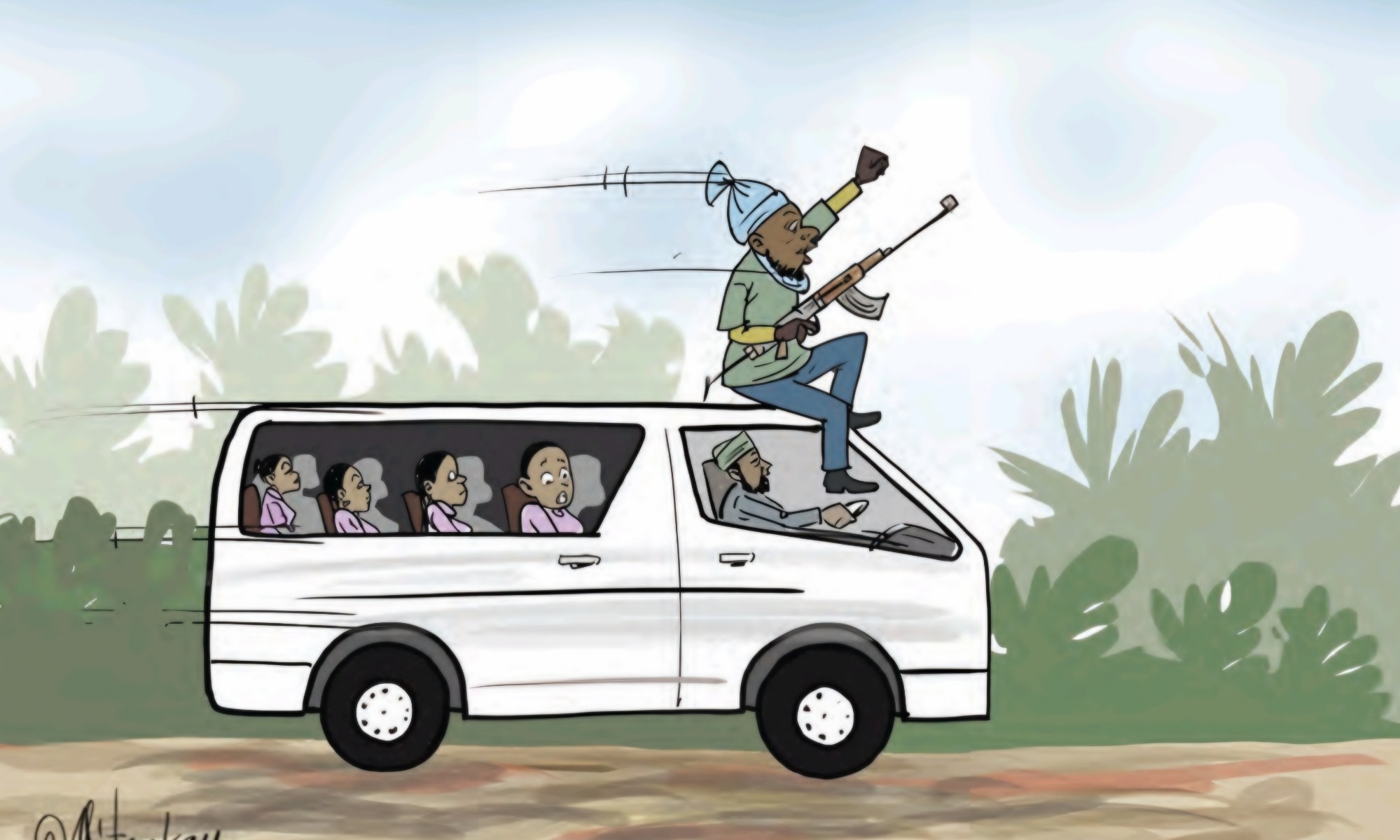
Let it be said plainly: Christians are dying in Nigeria's Middle Belt and northeast, in numbers that shame a government which has spent a quarter-century treating internal security as a procurement racket rather than a constitutional duty. That much is not in serious dispute, whatever Abuja's spokesmen protest on television. But sincerity and self-interest are not mutually exclusive states, and it takes a special sort of credulity to receive Donald Trump's sudden solicitude for Black Christians in the Sahel as anything other than what it plainly is a foreign policy improvised from a domestic culture war, deployed by an administration whose relationship with racial minorities at home has rarely troubled itself with tenderness. One does not have to admire
Sahel Regional Security Dynamics: A Multifaceted Analysis (as of late 2025–early 2026)
The modern Sahel crisis traces back to the 2011 Libyan collapse, which flooded the region with weapons and fighters, reigniting Tuareg rebellions in northern Mali in 2012. This enabled Islamist groups to seize territory, leading to French intervention (Operation Serval in 2013, later Barkhane). Initial gains were undermined by persistent weak governance: corruption, urban-rural divides, ethnic tensions (e.g., Fulani pastoralists vs. agricultural communities), and state absence in rural peripheries.