Nigerian Budget Oversight Mechanisms in default or compliance
Nigerian Budget Oversight Mechanisms: A Comprehensive Analysis



Reporting News and Opinions
Nigerian Budget Oversight Mechanisms in default or compliance
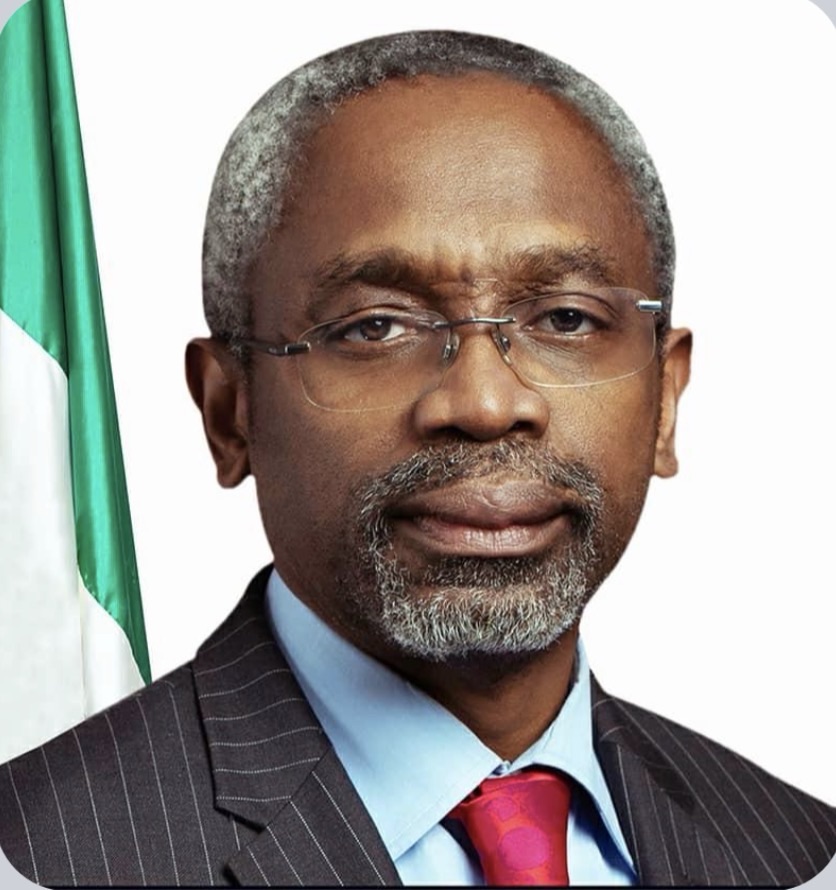
Who is Femi Gbajabiamila and what makes him thick. His legal and political career.
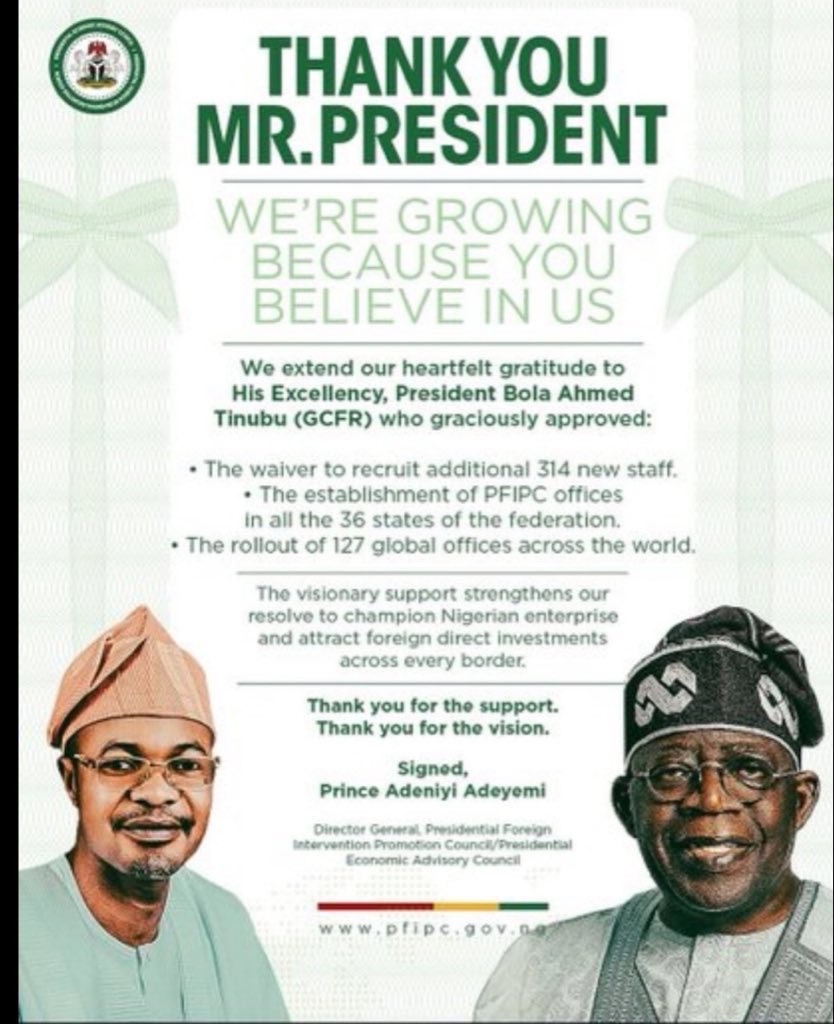
Schrödinger’s Bureaucracy A deep dive into a uniquely Nigerian political paradox: the high-stakes scandal of a government agency that the Presidency insists "does not exist," yet somehow possesses a ₦1.3 billion official budget line, 34 bank accounts, and prime real estate at the Federal Secretariat. The Institutional Ghost: Exploring the hilarious and terrifying reality where a con artist's fiction perfectly aligns with state incompetence, allowing a fake agency to draw very real public funds. The Audacity of the Upgrade: Tracking the comedic escalation of Prince Adeyemi from a fake UN youth leader to a self-appointed, budget-wielding Director-General. Weaponized Receipts: A look at the ultimate bureaucratic showdown, where the government’s defense ("he's a fraud") is entirely compatible with the fraudster's defense ("but you paid me"). The Takeaway Nigeria didn't just inherit the concept of "ghost workers" it naturally evolved it into a ghost agency, complete with an office on the second floor and a foreign currency account.
Godswill Akpabio There is a particular kind of Nigerian comedy that requires no jokes, only a calendar. Take a recent entry: on a Tuesday in late June, the Delta State House of Assembly solemnly declared the seat of Hon. Collins Egbetamah vacant, three months after he left the All Progressives Congress for the Nigeria Democratic …
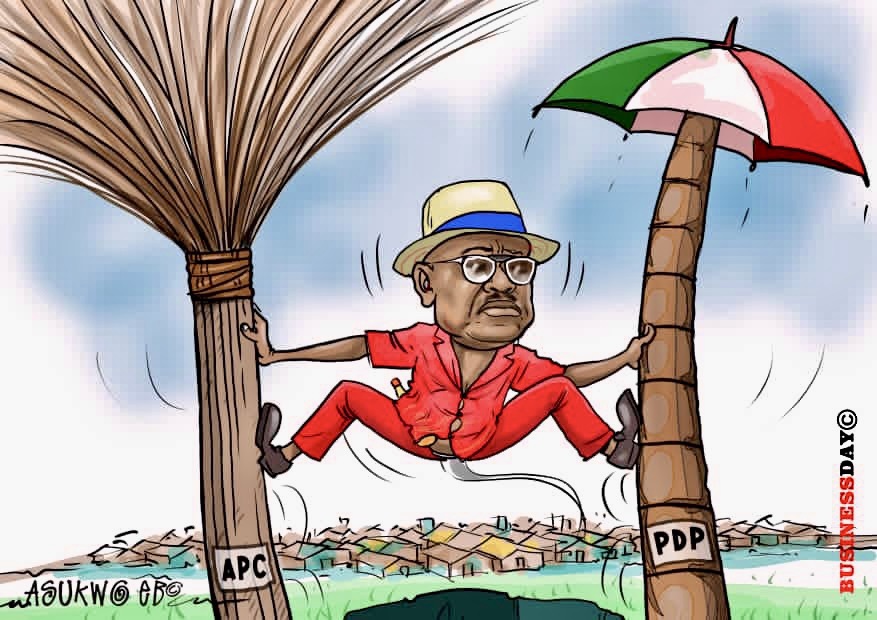
"Nyesom Wike, the current Minister of the Federal Capital Territory (FCT) and former Governor of Rivers State, stands out in Nigerian politics as a bold, combative, and highly strategic operator. His recent dominance in PDP internal court battles—securing roughly 14 out of 15 favorable rulings in analyzed cases—has drawn attention to what the article satirically terms the 'Abuja advantage' and 'judicial hospitality': leveraging control over prime land, infrastructure projects, and judicial welfare schemes in the capital to create an environment where power, proximity, and perception intersect."

