Review: If We Tolerate This: How the British Establishment Made the Far Right Respectable

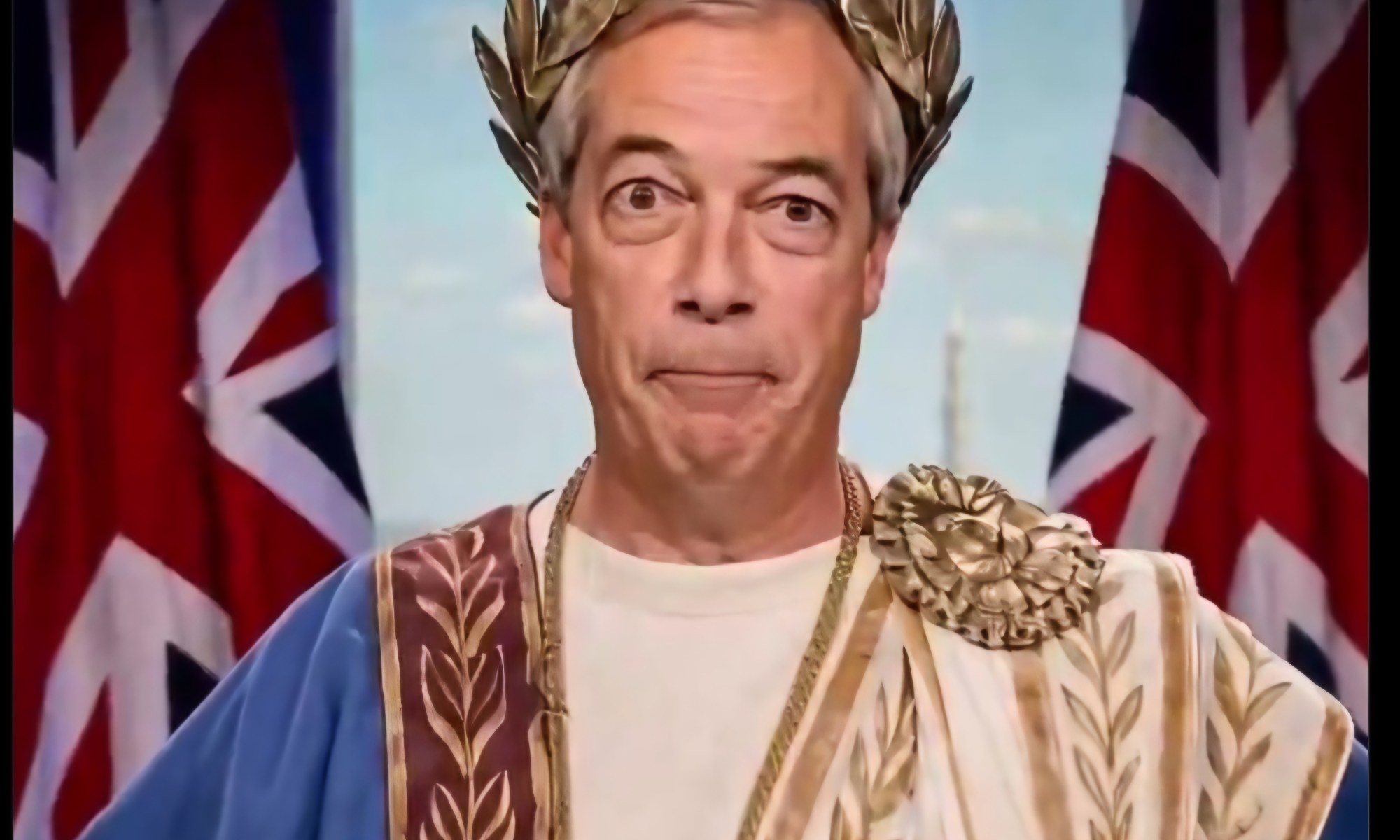
Daniel Trilling’s book argues that the British far right became “respectable” not through fringe activism but because mainstream institutions gradually absorbed its language and fears. Far‑right ideas about immigration, multiculturalism, and national decline seeped into politics and media until they appeared like common sense rather than extremism. The press amplified moral panic, helping harsh policies seem moderate. The book stresses that Britain is not uniquely immune to authoritarianism; its extremism often arrives in polite, establishment-friendly forms. Trilling’s analysis also resonates globally, showing how cultural anxiety and intolerance are normalised in many democracies. He is criticised for underplaying real social and economic grievances that made people receptive to these narratives. Still, the book warns that democracies erode slowly—through euphemisms, fear, and institutional cowardice.

THE PRESSURE VALVE REPUBLIC: How South Africa’s Political Class Manufactures a Crisis to Conceal the One It Already Made By Lawson Akhigbe

Jacob Zuma, a former South African President, is being blamed for South Africa's economic downfall. A mob in Durban, South Africa, has protested against Zuma, accusing him of corruption. The Zondo Commission, established in 2018, investigated allegations of state capture, corruption, and fraud in the public sector. The commission found that Eskom, a state-owned energy company, entered into irregular contracts worth R14.7 billion with entities linked to the Gupta family, Zuma's friends. This led to the diversion of Eskom's assets to the Guptas' financial advantage. The commission also found that key loyalists to Zuma and his party were placed in top positions at state-owned enterprises and law enforcement, while competent, honest officials were marginalised or fired. The result was the erosion of critical infrastructural enterprises like Eskom, Transnet, Prasa, and South African Airways. Institutional decay led to a loss of experienced human capital, decline in services, unreliable electricity and water supply, erratic revenue collection, and the decline of local governments. President Ramaphosa estimates that more than R500 billion was stolen during his predecessor's administration.

Why Obama shouldn’t have had to ‘show his papers’ – GOLDIE TAYLOR of THE GRIO

“Show me your papers!” Major Blackard, then just 19 years old, dug into his trousers in search of his wallet. He patted his jacket, but could not find his billfold. “Sir, I done left my wallet…” Blackard said. Before he could finish his sentence, the young man was posted against the brick wall, cuffed and …

Is It Racist to Say Africa Has ‘Civilizational’ Problems? BY REMI ADEKOYA Foreign Affairs Journal

French President Emmanuel Macron should have known his comments about Africa at the G-20 summit this month would spark an angry backlash. Responding to a reporter’s question as to why there is no Marshall Plan for the continent, he cited “civilizational” problems that are different from those faced by Europe after World War II: “Failing …