In Nigeria, the legal framework explicitly criminalizes the payment of ransoms to kidnappers or terrorists.
Anatomy of Kidnapping: The Law and Enforcement by Lawson Akhigbe



Reporting News and opinions
In Nigeria, the legal framework explicitly criminalizes the payment of ransoms to kidnappers or terrorists.

Dr. Hakeem Baba-Ahmed: "Last year, my nephew was kidnapped. That's my late sister's son, along with three other people. They went to a farm they had hired... and they were kidnapped just a few miles between Kaduna on the way to Kachia.

In most functional societies, those quaint places where governments occasionally remember they exist to serve rather than to frustrate, when a citizen submits an application requiring official action, a few basic courtesies are observed. An acknowledgment. A request for missing documents if needed. Perhaps even a timeline, however optimistic. The machinery of state, however rusty, at least coughs to confirm it has received your papers.
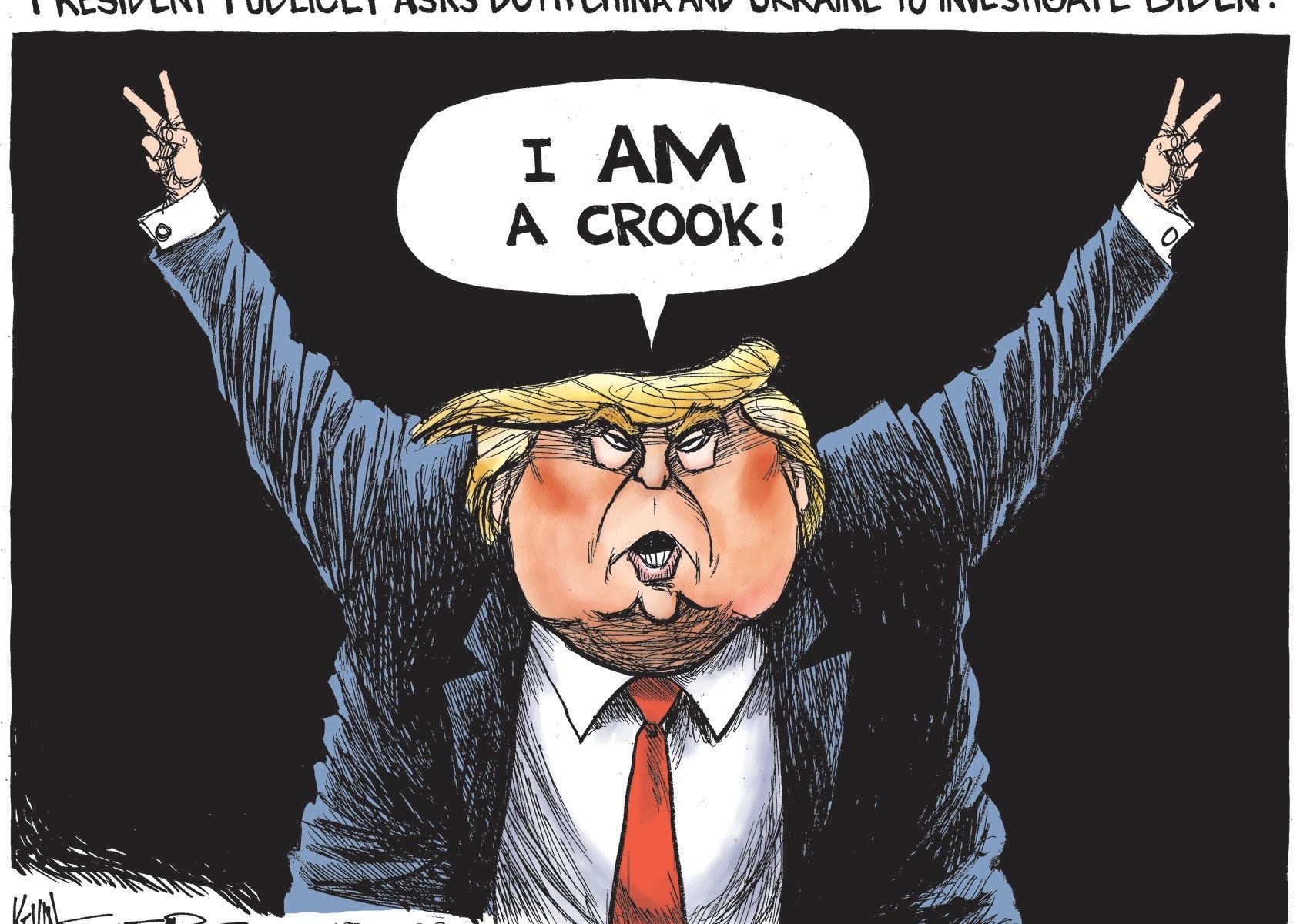
Trump’s business career has long been characterized as embodying “con-artist” tactics: aggressive promotion, leveraging his personal brand for high-margin or low-substance ventures, heavy debt leverage, selective truth-stretching in marketing, and frequent legal disputes.

Get the Loan. (This is the easy part). Preferably a large, multi-billion naira sum from a struggling bank. Use your political clout as collateral – it’s worth more than anything tangible!

