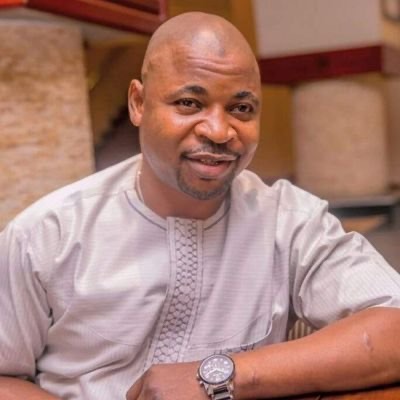
MC Oluomo, born Musiliu Ayinde Akinsanya on March 14, 1975, in Oshodi, Lagos, embodies a classic rags-to-riches narrative intertwined with the raw mechanics of street power, union politics, and partisan loyalty in Nigeria. His legacy is polarizing: celebrated by supporters as a self-made leader, philanthropist, and champion of transport workers, yet criticized by opponents as a symbol of thuggery, electoral intimidation, and impunity.
The Bulletproof SUV That Disappeared: What The Saraki / Customs Case Tells Ordinary Nigerians About Due Process by Lawson Akhigbe
What should have been a routine anti-smuggling enforcement - fake chassis number, alleged unpaid duty of N74 million on a vehicle valued at N298 million - turned into a full-blown constitutional crisis.
Tinubu’s Lagos Governance Tactics (1999–2007): The Laboratory for the “Lagos Model” by Lawson Akhigbe
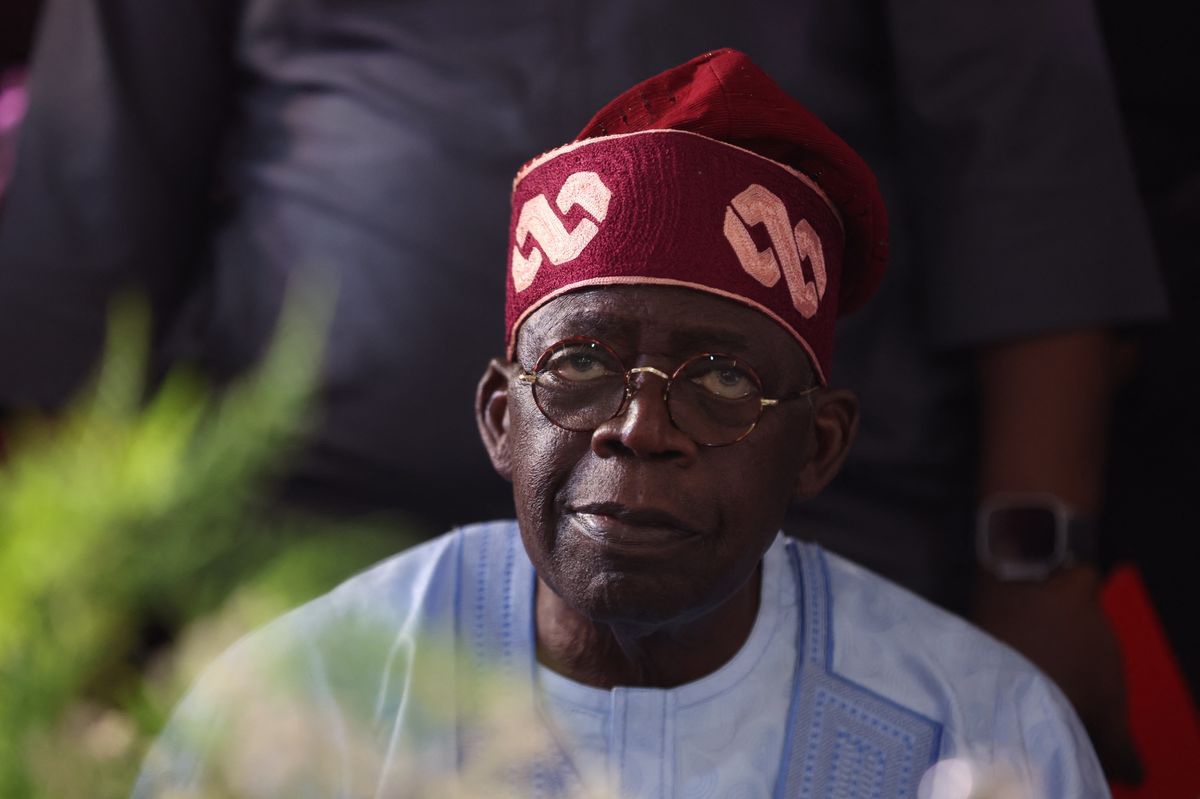
These tactics blended fiscal innovation, technocratic recruitment, institutional reform, political networking, and strategic confrontation with the federal government. They created the so-called “Lagos Model”, a proof-of-concept for sub-national self-sufficiency that influenced his successors (Fashola, Ambode, Sanwo-Olu) and later his national approach.
Anatomy of Kidnapping: The Law and Enforcement by Lawson Akhigbe
In Nigeria, the legal framework explicitly criminalizes the payment of ransoms to kidnappers or terrorists.
Black Holes in the Public Purse by Lawson Akhigbe
This is not an isolated comedy of errors. It is a textbook illustration of the black holes deliberately engineered into Nigeria’s public finance architecture opaque pockets that swallow money, evade legislative eyes, and render executives unaccountable. The Bodija tranche is merely one shiny pebble in a vast, dark galaxy of special interventions, contingency advances, service-wide votes, ecological funds, security “emergency” deductions, and other discretionary vehicles that allow the executive to move (or park) billions with minimal sunlight.