The Holy Trinity of Loyalty: How Uromi’s New Chairman Said the Quiet Part Out Loud by Lawson Akhigbe

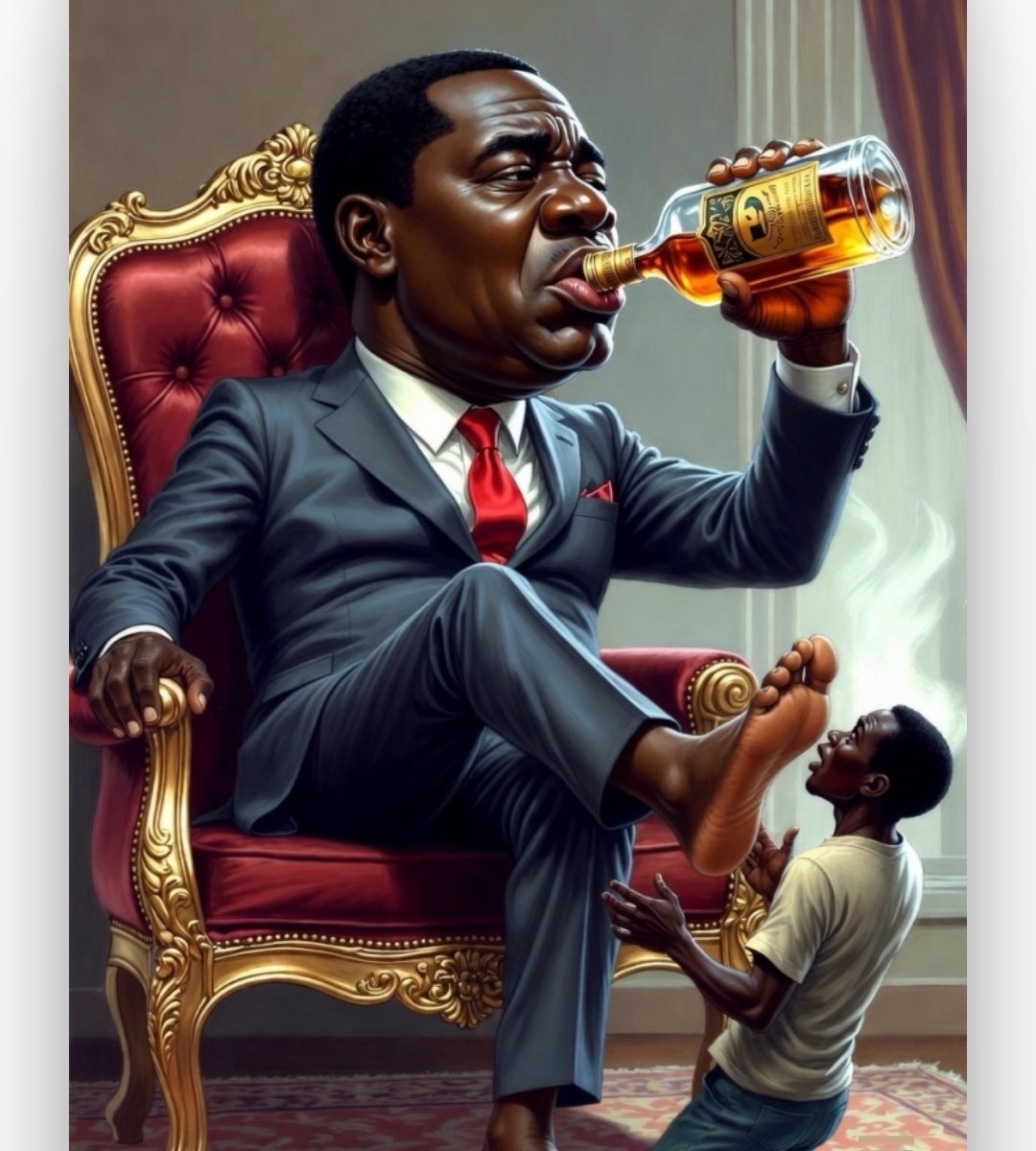
There is a peculiar brand of honesty that only slips out when an official forgets to read the democratic script. Usually, freshly inaugurated politicians feel obliged to rehearse the standard civic pieties muttering something about service delivery, the rule of law, or the sovereign will of the people. But every once in a while, the system produces a moment of pure, unvarnished clarity.

Did You Tell Them to Rescue the Kidnapped? Nigeria’s Politicians, Generals and the Confusion Between Policy and Operations by Lawson Akhigbe

There are some moments in political history that survive long after the politicians involved have left office. Not because of a great speech. Not because of a great policy. But because somebody asked a very simple question and refused to let it escape through the nearest political fire exit.

Edo’s Chop-Chop Chief: Dan Orbih and the Politics of Convenient Grief by Lawson Akhigbe

Chief Daniel Osi Orbih is dead, and Edo State’s political class has responded the way it always does when one of its own departs: with a grief so generous it retroactively forgives everything the man ever did. Orbih passed away on Monday, 31 August 2026, at the age of 64, and within hours the condolences arrived in a queue, each one more magnanimous than the last, as though the deceased had spent his career building roads rather than blocking them.

EDITORIAL: Osun election, the rise of civic action, and 2027 by PREMIUM TIMES

Governor Ademola Adeleke of Osun State was re-elected for a second term in the 15 August governorship contest. It was an off-cycle election like no other before it, in the build-up, with its eerie elements of tension, violence and resultant deaths.

Anarchism in judicial robes, by Owei Lakemfa

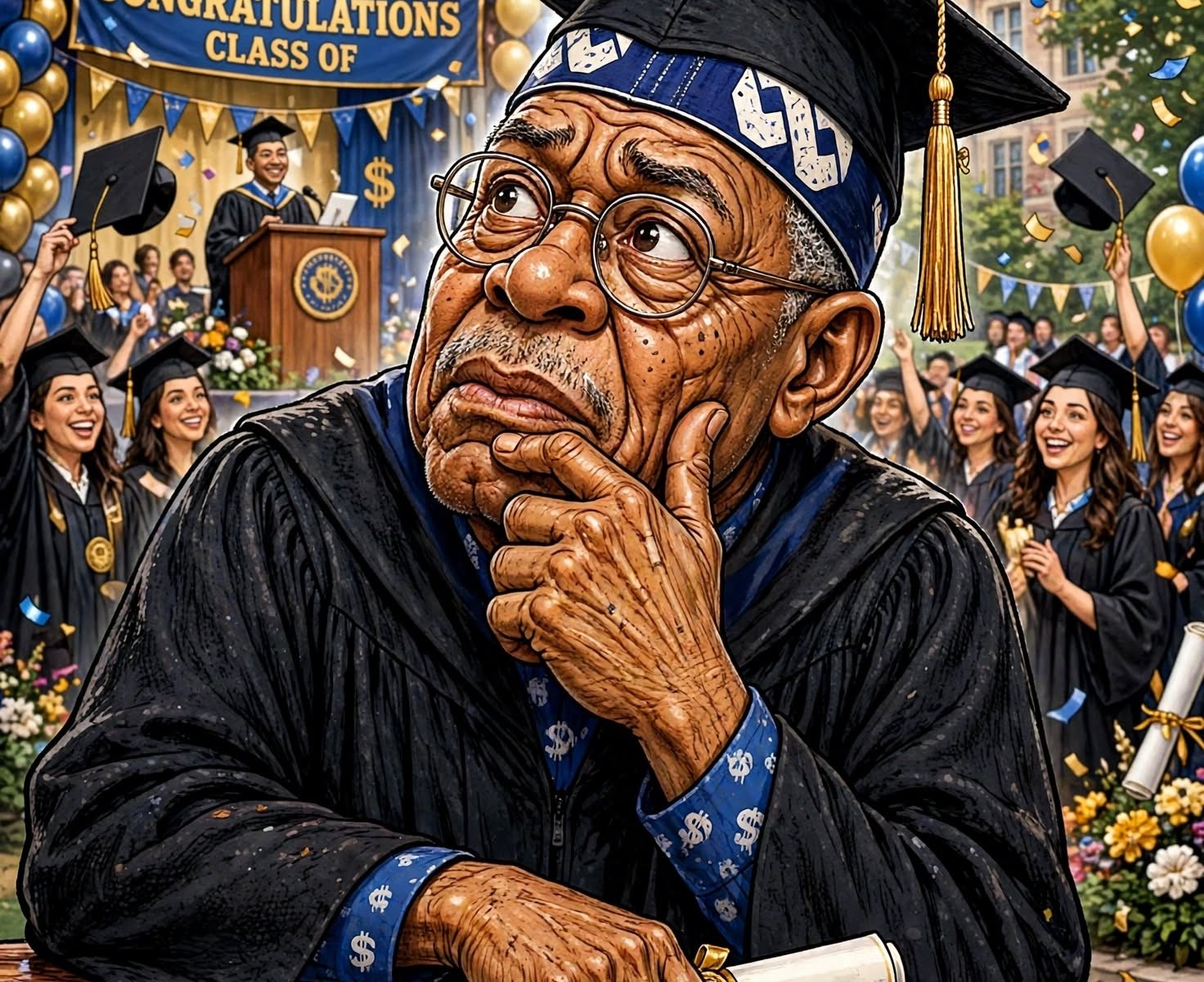
My mind raced back to British jurist, Lord Denning who famously declared in 1964: “Justice has no place in darkness or secrecy. When a judge sits on a case, he himself is on trial… If he is suspicious, biased, or unfair, then the judge is the one who is condemned in the eyes of public opinion.” But these words of wisdom seem not to have any meaning to Justice Lifu, shockingly, a former lecturer of Public and International Law, University of Ibadan. For me, what was more distressing was that despite the uproar, Justice Lifu seemed oblivious of the damage he    had done to the body polity, the judiciary and his thirty five years post-call to bar history.