

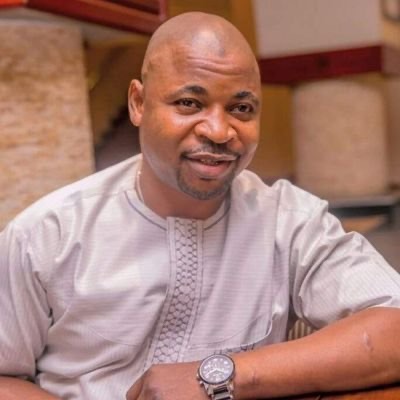
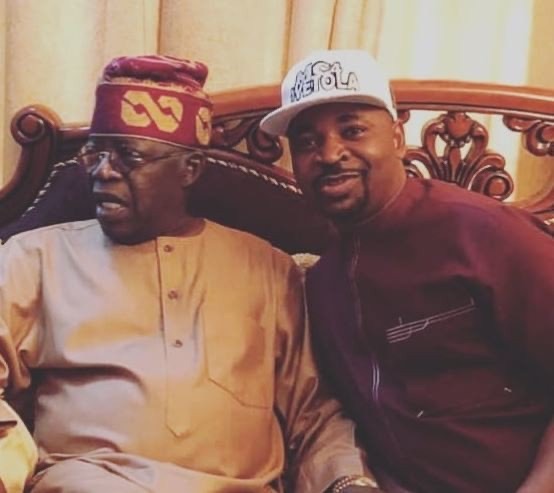
MC Oluomo, born Musiliu Ayinde Akinsanya on March 14, 1975, in Oshodi, Lagos, embodies a classic rags-to-riches narrative intertwined with the raw mechanics of street power, union politics, and partisan loyalty in Nigeria. His legacy is polarizing: celebrated by supporters as a self-made leader, philanthropist, and champion of transport workers, yet criticized by opponents as a symbol of thuggery, electoral intimidation, and impunity.
Humble Origins and Remarkable Rise
Oluomo’s story begins in hardship. He lost his father young, dropped out after primary school (Afolabi and Olu Efon schools), ran away from home at 13, and started as a bus conductor and driver. He climbed the ranks in the National Union of Road Transport Workers (NURTW): from motor park head in Oshodi, to influential agbero (touts/park managers), to Lagos State chairman, and eventually National President in late 2024.
This ascent highlights resilience and street-level networking in Nigeria’s informal economy. In a country where formal education often gates opportunity, his trajectory validates alternative paths through hustle, loyalty, and strategic alliances. Supporters see him as proof that “area boys” can evolve into influential figures. Critics view it as the elevation of muscle over merit.
Union Leadership and Economic Influence
As Lagos NURTW chairman and later National President, Oluomo wields significant control over commercial transport, buses, tricycles (keke), and motor parks. This sector employs hundreds of thousands and generates substantial daily revenue through levies and dues. His influence extends to the Lagos Parks and Garages Management Committee, which the state government backed amid union disputes.
Positive angles on legacy:
- He is credited with stabilizing aspects of the union, fostering some unity, and using the platform for mobilization.
- Supporters highlight welfare initiatives, peace-making efforts within the union, and his ability to deliver votes and logistics for aligned politicians.
- His 2021 book My Service to Humanity frames his story as one of community service.
Nuances and criticisms: Leadership battles with figures like Tajudeen Agbede and Tajudeen Baruwa reveal factionalism, court disputes, and allegations of insubordination. Control of levies has sparked accusations of exploitation. His rise to national president, despite legal challenges, raises questions about enforcement of judicial orders and political patronage.
Political Power and “Street Grammar”
Oluomo’s deepest imprint lies in his alliance with Bola Tinubu and the APC. He has been a key mobilizer in Lagos elections, leveraging NURTW networks for turnout, logistics, and enforcement. He publicly claimed spending hundreds of millions on Tinubu’s 2023 campaign.
This cements a model where transport unions function as political armies—effective for winners, problematic for democratic norms. The 2023 election videos accusing him of intimidating Igbo voters and suppressing opposition turnout amplified ethnic tensions and voter suppression concerns. He has faced accusations of deploying thugs against #EndSARS protesters (which he denied) and broader electoral violence.
Implications: His style exemplifies “the politics of the street” pragmatic, territorial, loyalty-driven, effective in Nigeria’s patronage system but corrosive to inclusive institutions. It blurs lines between unionism, entrepreneurship, and political enforcement. As of 2026, warnings (e.g., from Dele Farotimi) that political apathy could elevate such figures to higher office underscore fears of normalized “agbero” governance.
Philanthropy, Personal Life, and Public Persona
Oluomo cultivates an image of generosity through donations, food distributions, cash gifts, and community outreach via initiatives like the OMO Foundation. He positions himself as a “man of the people” and peace-maker.
He has three wives (Alhaja Madinat Adunni, Temitope Adunni, Aisha Ajoke) and nine children, some of whom are well-educated and highlighted as part of his legacy. He often responds to mockery of his English (e.g., the viral “kundus” for “kudos”) by pointing to his children’s achievements and his own success despite limited schooling: “Compete with my children.”
This resilience narrative resonates with many but fuels class-based critiques about standards in public leadership.
Broader Legacy: Symbolism and Trade-offs
Achievements and positives:
- Symbol of upward mobility in the informal sector.
- Significant influence in stabilizing (or controlling) Lagos transport.
- Philanthropic gestures that provide immediate relief.
- Demonstration of raw political entrepreneurship.
Criticisms and risks:
- Association with violence, intimidation, and ethnic politics.
- Questions over union transparency and member welfare versus personal/political gain.
- Reinforcement of a patronage culture where muscle and connections trump formal rules.
- Ongoing leadership crises that undermine institutional integrity.
Nuances: In Lagos’ complex ecosystem, figures like Oluomo fill governance vacuums—providing order (however rough) in chaotic motor parks where the state is absent. Yet this creates dependency on strongmen. His legacy intersects with Tinubu’s: proof of enduring loyalty networks, for better (stability, delivery) or worse (impunity, exclusion).
Edge cases and future considerations: As National President, can he professionalize the NURTW—improving safety, reducing touting, modernizing operations—or will street dynamics prevail? His role in 2027 politics could either expand his influence or expose fractures. Public health/safety issues (road accidents, extortion) remain linked to the sector he dominates. Generational shifts and calls for better-educated leadership may challenge his model.
In sum, MC Oluomo’s legacy is not tidy. He represents the grit, opportunism, and contradictions of Nigerian informal power structures. To admirers, he is a survivor who rose, gave back, and delivered for his base. To detractors, he epitomizes how street enforcement captured parts of the state. His enduring impact will depend on whether his methods evolve into more institutionalized service or remain tethered to the primal grammar of control. The streets of Lagos—and Nigeria’s transport unions—bear his mark either way.
 Centre for Nigeria Progress