Live by Executive Orders, Die by Executive Orders by Lawson Akhigbe
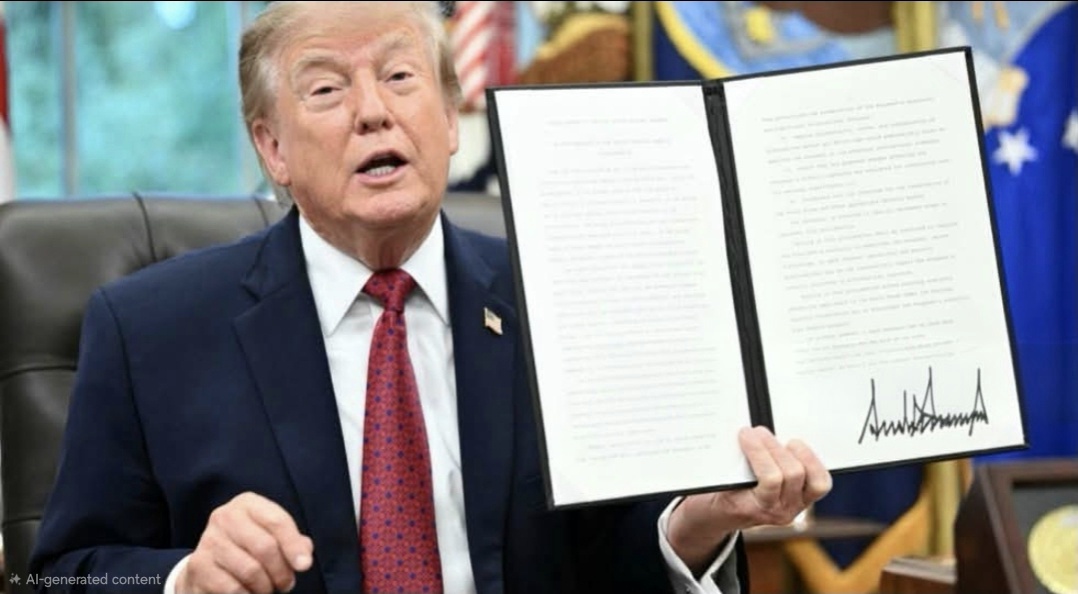
A president cannot bind his successors with executive orders. This is not radical constitutional theory. It is the plain, unromantic fact of the American system. Executive orders are the administrative equivalent of sticky notes left on the Resolute Desk: useful for the person who wrote them, mildly binding on the next occupant only for as long as that occupant finds them convenient, and entirely disposable the moment convenience ends

The Pyramid of Agberoism: MC Oluomo, NURTW and the Political Economy of Taxation in Lagos by Lawson Akhigbe

The roadside collector may be the visible face of the system, but the real question is who controls the pyramid, who receives the proceeds and what political interests protect it.

When Irony Died and APC Called It “Renewed Hope” by Lawson Akhigbe

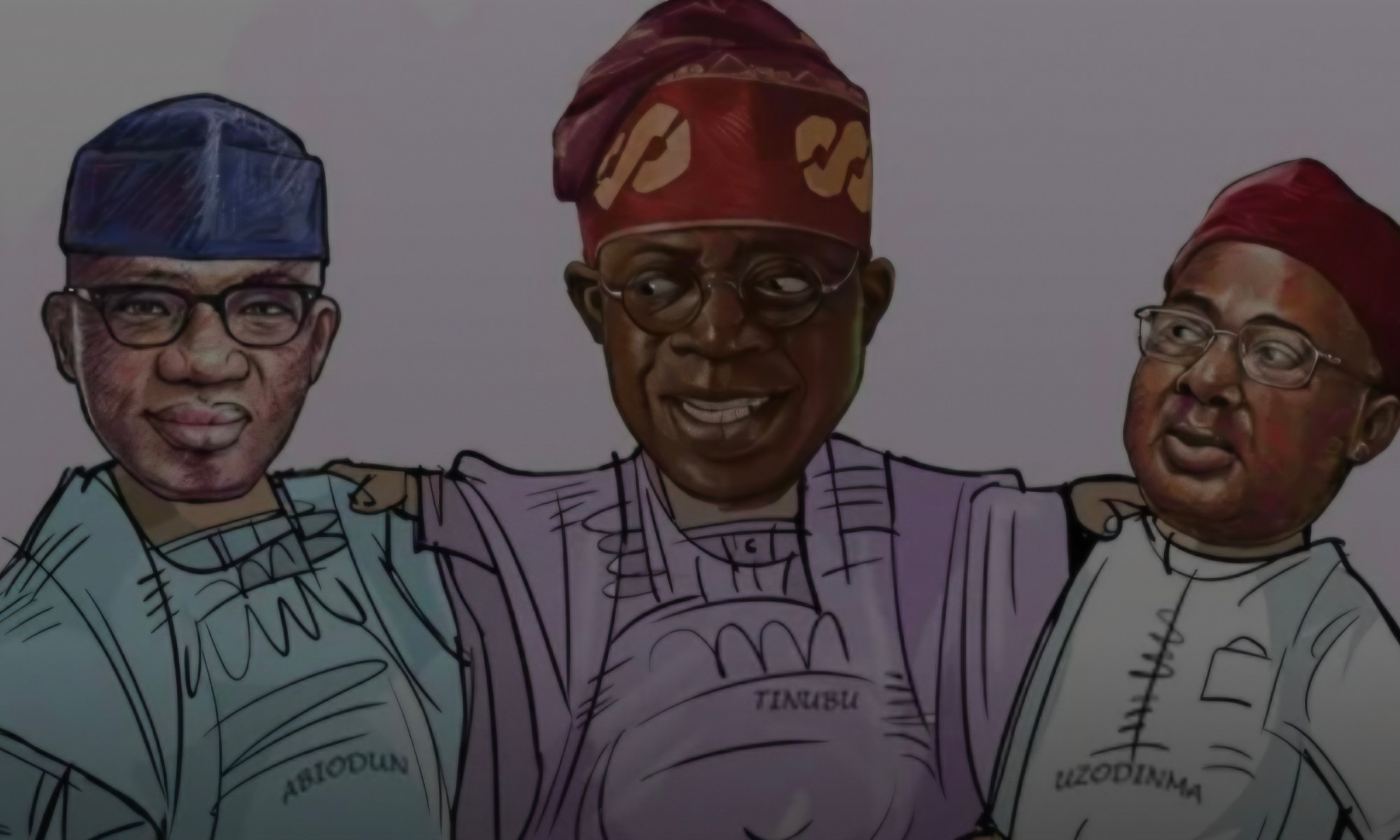
A nation’s mind dies when it can no longer recognise irony even when the irony is wearing agbada, boarding a presidential jet, and lecturing the rest of us about sacrifice. No previous assemblage of Nigerian power-brokers has democratised this particular form of intellectual blindness quite as thoroughly as the APC under first Buhari and now Tinubu.

The Shithole Doctrine and the Christmas Tomahawks by Lawson Akhigbe

Donald Trump has always treated geography the way a child treats a map drawn in crayon: everything outside the gilt-edged boundaries of Mar-a-Lago is, by definition, a shithole. Africa, in particular, occupies a special place in this cartography of contempt. It is not merely distant; it is disposable. In his second coming, the man who once governed by tweet now governs by decree, treating Congress as an optional accessory and the Constitution as a set of polite suggestions best ignored when they inconvenience the royal will.

The Insignia of Power: Tinubu, Trump and the Politics of Emptiness by Lawson Akhigbe

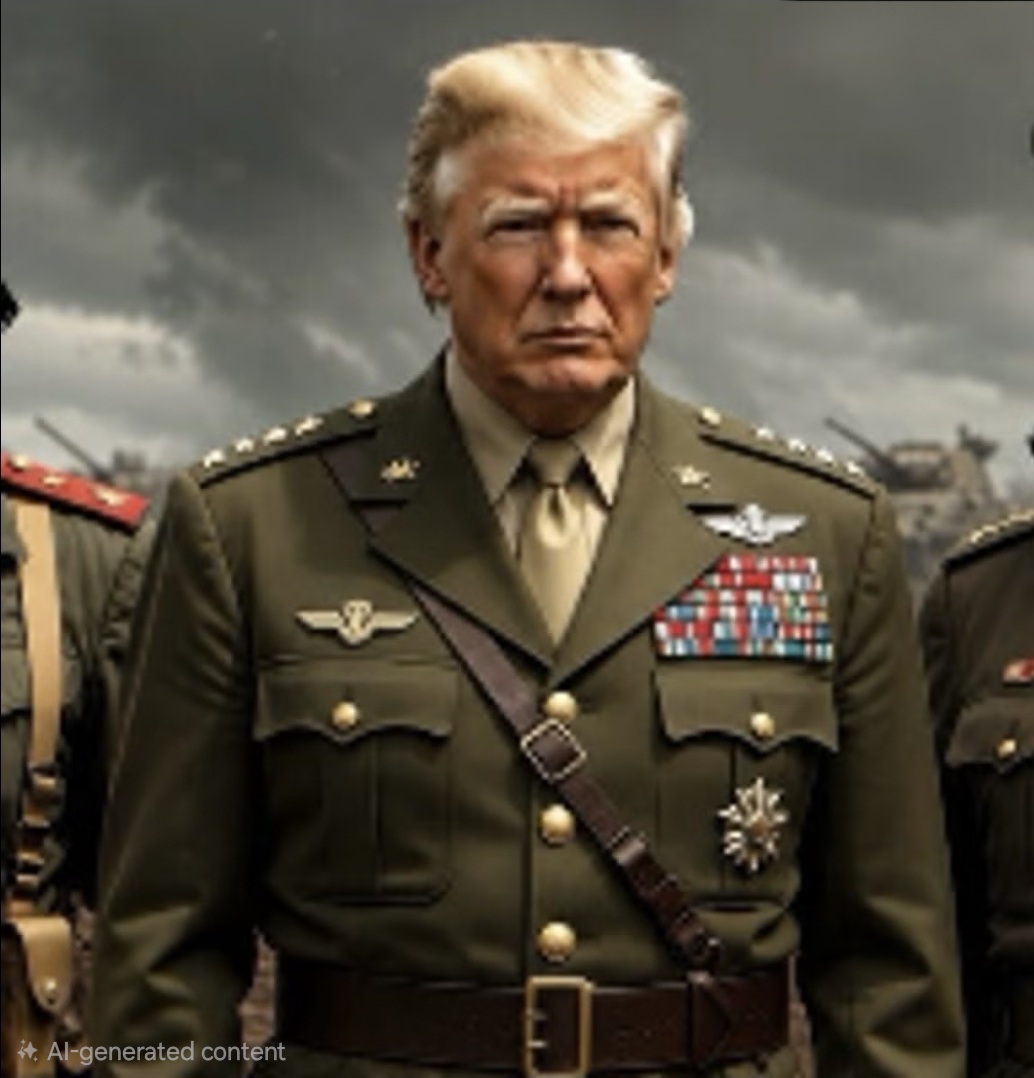
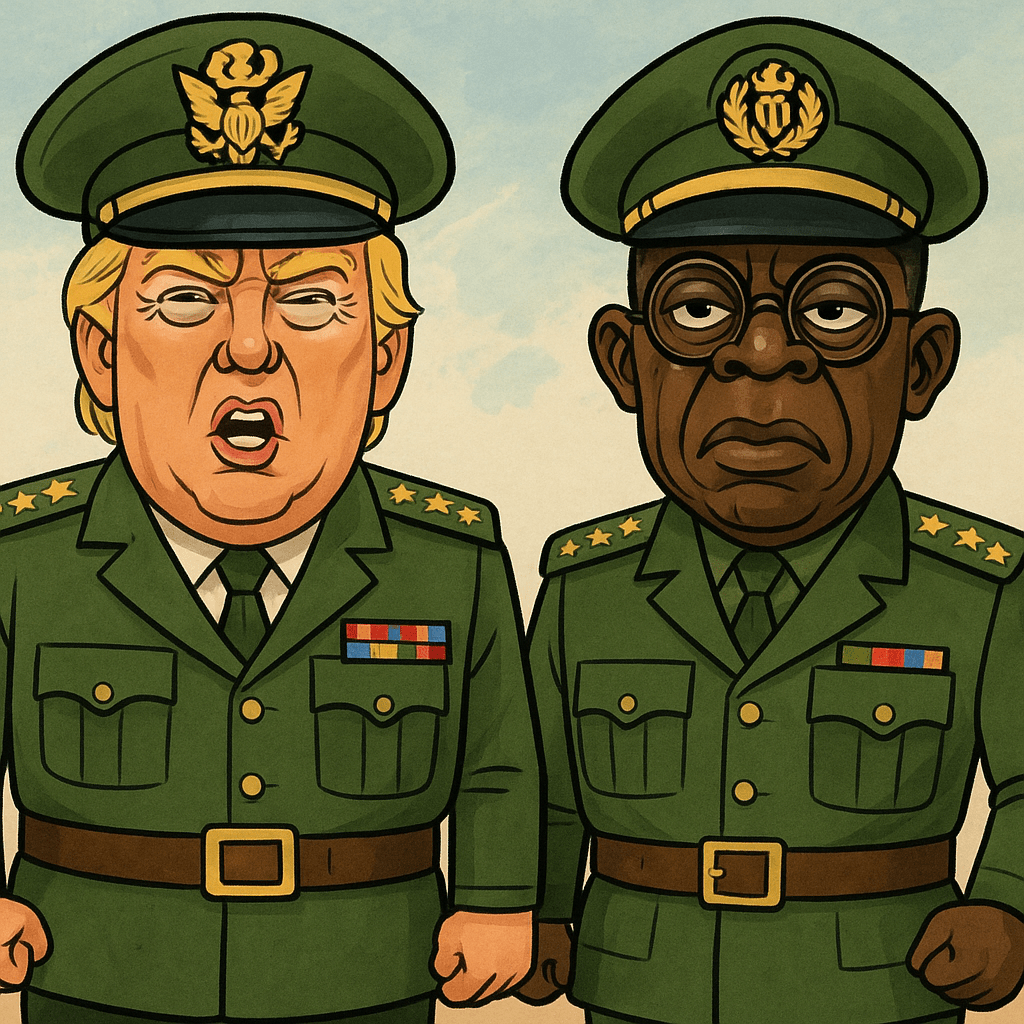
When a leader becomes more interested in the symbol of his authority than the substance of his government, politics begins to resemble a cult. The insignia becomes the message, the slogan becomes the policy, and the citizen is expected to admire the packaging while living with the consequences.