

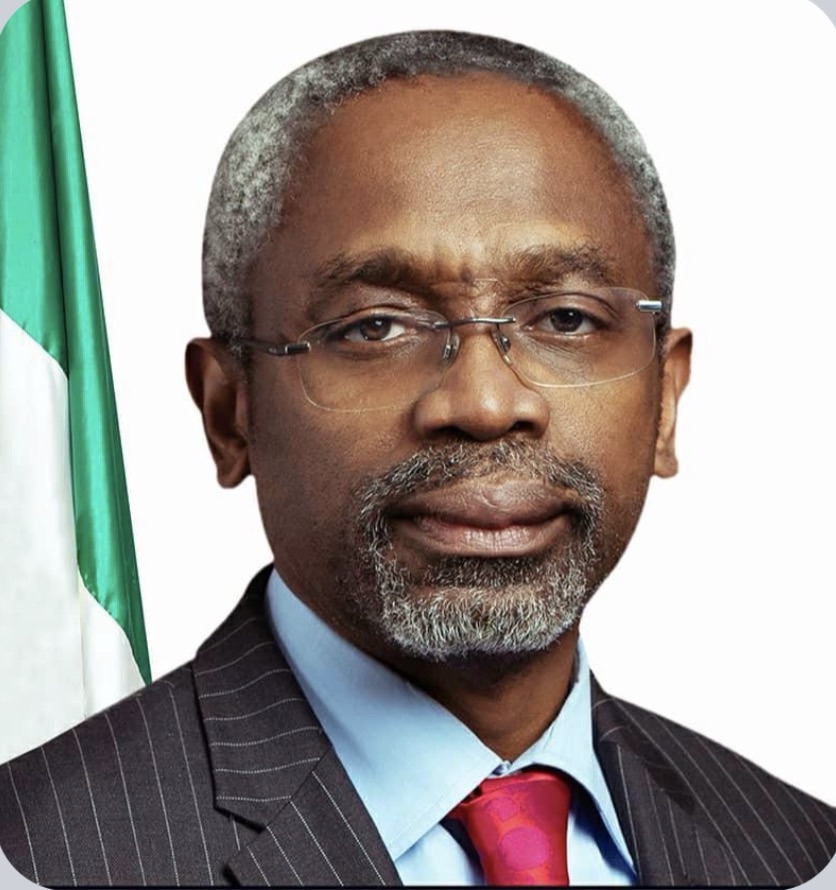
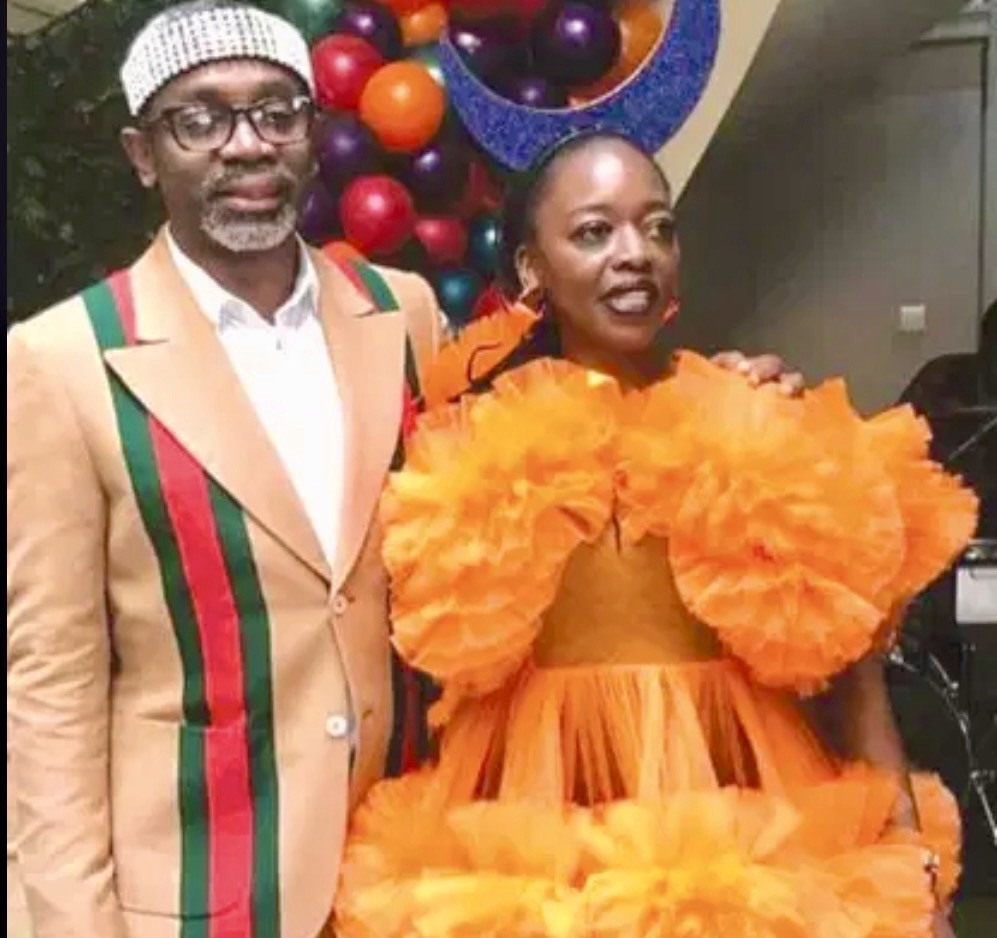
Olufemi Hakeem Gbajabiamila (commonly known as Femi Gbajabiamila or “Gbaja”), born 25 June 1962 in Lagos State, Nigeria, is a Nigerian lawyer and politician. He has served as Chief of Staff to President Bola Ahmed Tinubu since June 2023. Prior to that, he was the 14th Speaker of the House of Representatives (2019–2023) and a long-serving member representing Surulere I Federal Constituency. He is a senior figure in the All Progressives Congress (APC) with deep ties to Lagos political networks.51
Early Life and Education
Born to Lateef and Olufunke Gbajabiamila, he attended Igbobi College in Lagos for secondary education and completed Advanced Levels at King William’s College on the Isle of Man, UK. He earned an LL.B. with honours from the University of Lagos in 1983 and was called to the Nigerian Bar in 1984. He later obtained a Juris Doctor (J.D.) with Magna Cum Laude from John Marshall Law School in Atlanta, Georgia, and passed the Georgia Bar exam in 2001.57
Legal Career in Nigeria and the United States
Gbajabiamila started at Bentley Edu & Co. in Lagos before founding Femi Gbaja & Co. In the U.S., he established a law practice in Atlanta after admission to the Georgia Bar.
Regulatory Encounter with the Georgia Bar Association: This is a notable and often-cited episode in his legal career. In 2003, while practicing in Georgia, a client filed a grievance alleging mishandling of funds. Gbajabiamila admitted to accepting a $25,000 settlement on a client’s personal injury claim, depositing it into his trust account, failing to promptly disburse it, and using the funds for his own purposes before closing his practice and leaving the country. He violated Rule 1.15(I) of the Georgia Rules of Professional Conduct (safekeeping property/client funds).
In a unanimous decision on 26 February 2007, the Georgia Supreme Court approved a 36-month suspension following his petition for voluntary discipline. He later refunded the client. This was a disciplinary (civil/regulatory) matter rather than a criminal conviction, as he and supporters have emphasized. He reportedly returned to Nigeria around this period.
Further developments occurred later: Reports indicate additional issues, including failure to respond to the Bar and pay membership fees, leading to a five-year suspension in 2015 and eventual permanent termination of his Georgia Bar membership around July 2020. These events resurfaced during his 2019 speakership bid, with legal challenges questioning his eligibility, though they did not derail his career in Nigeria.
This episode highlights the strict ethical standards of U.S. bar regulators on client trust accounts, a cornerstone of legal professionalism. In the Nigerian context, it has been used by political opponents to question his fitness for office, but it has not prevented his continued rise, reflecting differences in how disciplinary records are weighed across jurisdictions and political environments.
Political History
Gbajabiamila entered politics in the early 2000s. Elected to the House in 2003, he built a reputation as an active legislator and opposition voice during the PDP era. A key player in the APC’s formation and success, he served as House Majority Leader in the 8th Assembly (2015–2019).
In 2019, he was elected Speaker of the 9th House, prioritizing legislative-executive harmony under President Buhari. His tenure saw passage of significant legislation amid criticisms of strong executive alignment. In 2023, he transitioned seamlessly to Chief of Staff under Tinubu, leveraging his legislative experience for executive coordination, negotiations, and implementation of policies.
Political Style, Achievements, Controversies, and Legacy
- Style: Consensus-builder, strategic negotiator, and loyal party man. His U.S. exposure informs his approach to governance and international engagement.
- Achievements: Sponsored bills on governance and development; maintained House stability; played key roles in national policy execution.
- Controversies: Beyond the Georgia matter, includes accusations of over-alignment with the Executive, involvement in intra-party disputes (e.g., Lagos Assembly issues), and recent scrutiny in budget-related controversies.
- Nuances: His career illustrates the interplay of legal training, diaspora experience, and domestic political networks. The Georgia incident underscores accountability gaps or differing standards but has not halted his influence in Nigeria’s presidential system.
Gbajabiamila remains a central figure in Nigerian governance. His trajectory from legal practice (with its regulatory challenges) to legislative leadership and executive advisory role reflects both personal resilience and the dynamics of Nigerian politics.
 Centre for Nigeria Progress
@lawakhigbe.com
"Who is Femi Gbajabiamila and makes him thick."
Maybe one "h" too many and one "what" too few?
LikeLiked by 1 person
Remote Reply
Original Comment URL
Your Profile
Why do I need to enter my profile?
This site is part of the ⁂ open social web, a network of interconnected social platforms (like Mastodon, Pixelfed, Friendica, and others). Unlike centralized social media, your account lives on a platform of your choice, and you can interact with people across different platforms.
By entering your profile, we can send you to your account where you can complete this action.
Printer devil, thanks for the engle eye
LikeLike