

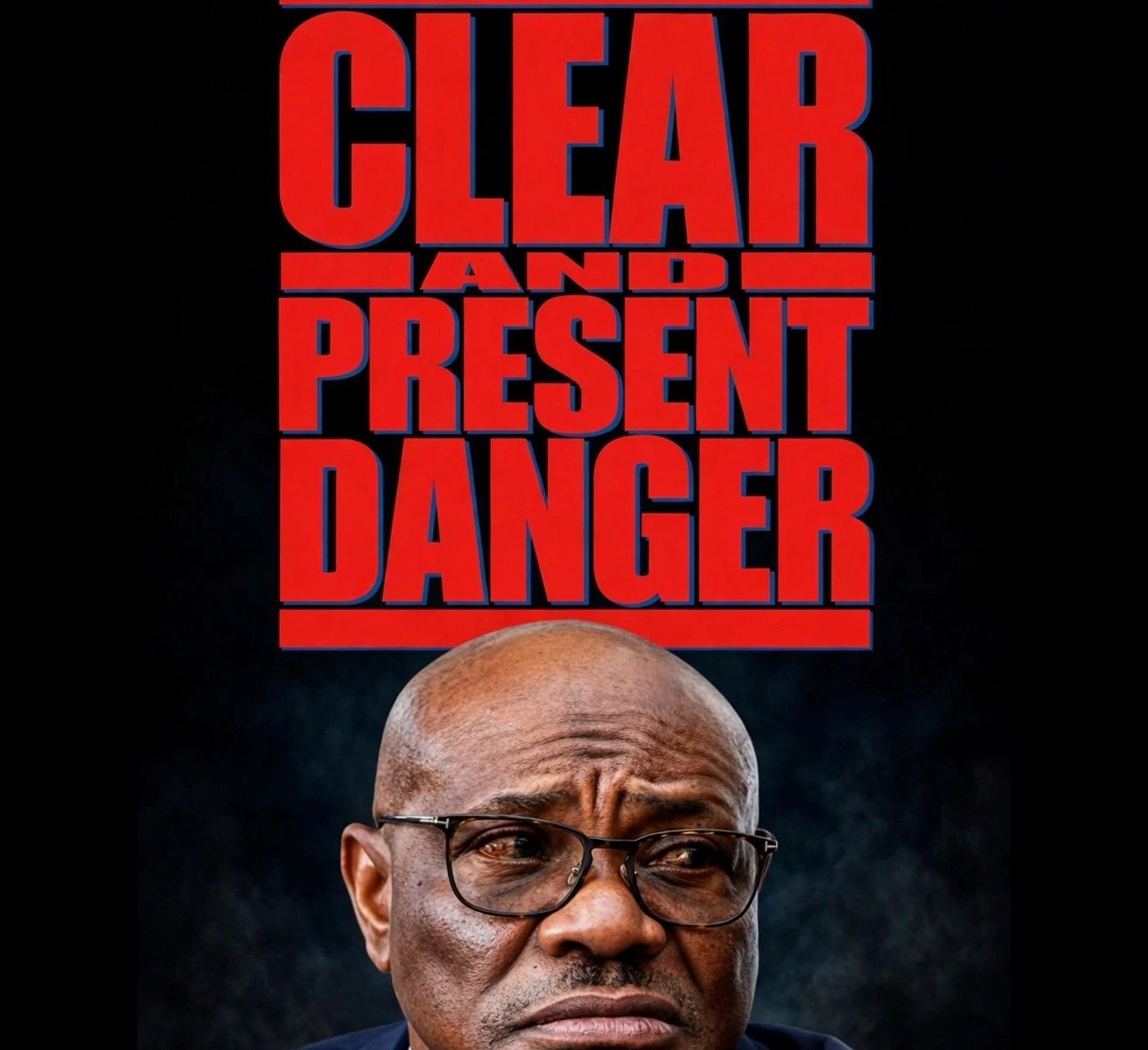
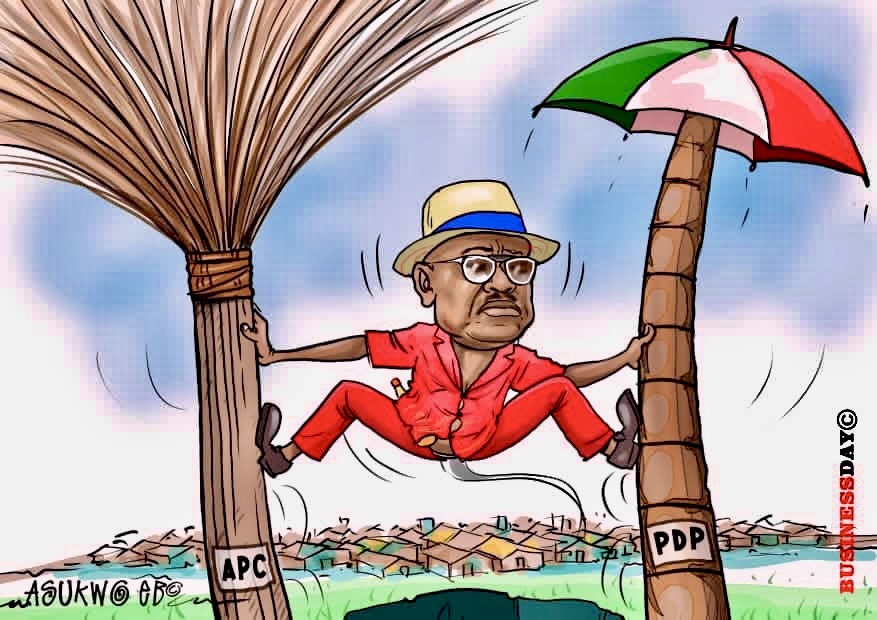
Nyesom Wike is no longer merely a powerful Nigerian politician with an unusually large appetite for political combat. He has become a test of whether Nigeria’s democratic institutions are strong enough to restrain an individual who appears increasingly convinced that power itself is the ultimate justification.
Former Governor of Rivers State and now Minister of the Federal Capital Territory, Wike has become more than a colourful feature of Nigeria’s political theatre. He increasingly represents a serious challenge to the norms, restraints and institutional boundaries upon which a functioning democracy depends.
His political confidence appears to have developed a gravitational pull of its own. The bigger the office, the larger the convoy, and apparently the smaller the patience for constitutional restraint. In Wike’s political universe, power does not seem to require an explanation; it merely requires an occupant.
But political power, like borrowed money, eventually comes due.
Wike’s political fortunes will rise and fall like those of every other politician. The greater concern is what may be left behind when the political music finally stops. A democracy cannot afford to have its institutions weakened, its conventions mocked and its accountability mechanisms treated as obstacles to be negotiated rather than safeguards to be respected.
The danger, therefore, is not simply Wike. It is the political culture that allows any individual, however powerful, to become larger than the institutions of the republic.
Nigeria has survived many powerful men. What it has not always survived intact is the damage done to its institutions while those men were powerful.
That is the real issue. The question is not whether Wike will eventually leave the stage. He will. The question is whether, by the time he does, he will have helped strengthen the stage or helped dismantle it.
And that is where the joke stops being funny.

