What You Do to the Dead, You Will Do to the Living: Still Disregarding Nigerian Bodies, Nearly a Decade On by Lawson Akhigbe

Remember Enya Egbe? The young medical student who fled his anatomy lab in tears after recognising the cadaver on the table as his friend Divine, bullet holes and all, the one they used to hit the clubs with? That 2017-ish horror story (the original piece landed amid the long shadow of such practices) was never just about one traumatised student or one unlucky night out. It was a mirror held up to a system that treats Nigerian bodies, living or dead, as disposable raw material. Fast-forward to 2026, and the reflection has barely fogged over. The disrespect remains the operating system.

A Bankrupt State, a Billionaire’s IPO and a Very Quiet Appropriation Bill by Lawson Akhigbe

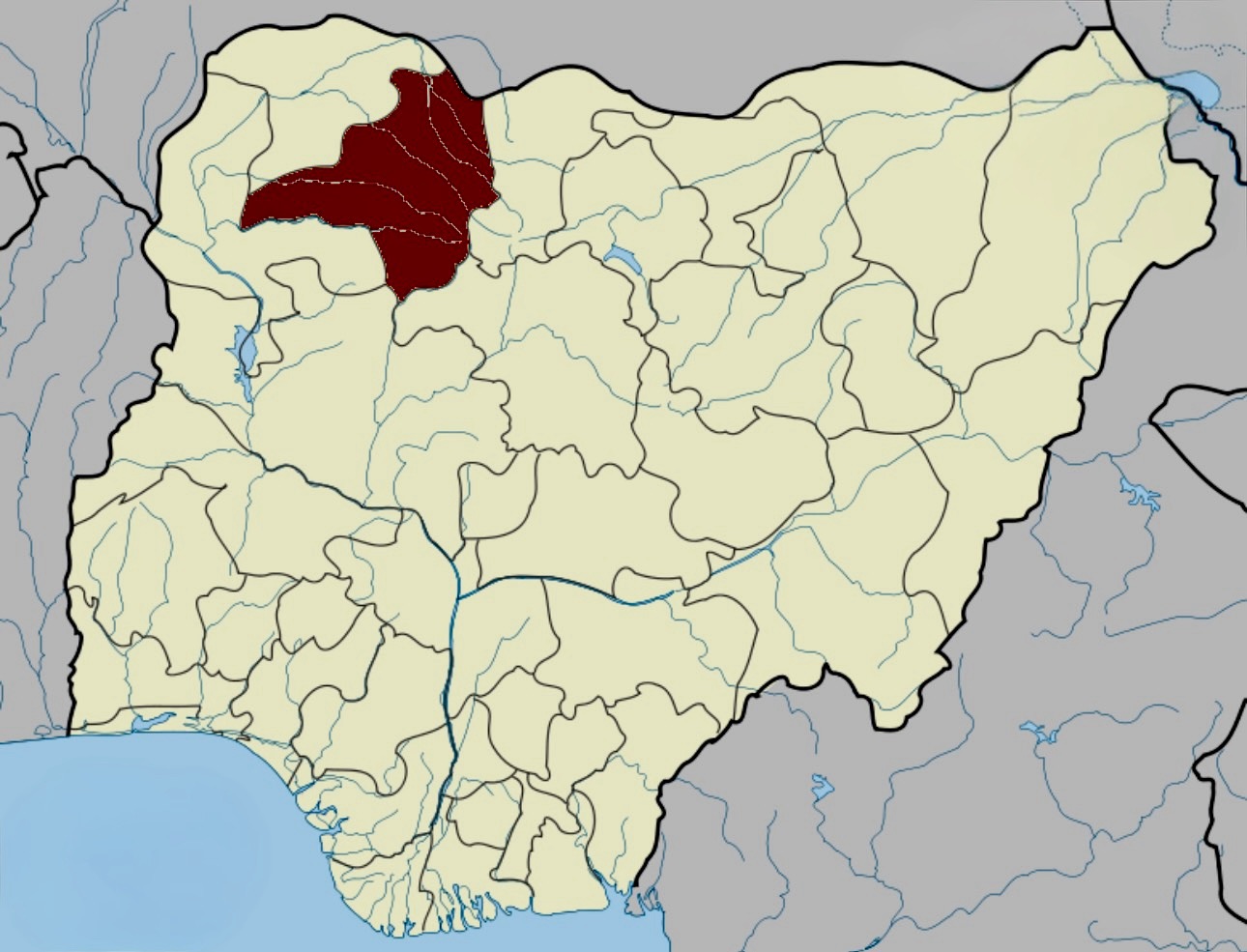
Every so often a state government invents a policy so novel that the law has not yet had time to catch up with it. Zamfara has done this and, with admirable efficiency, skipped the part where anyone checks whether the law would permit it.

Tinubu’s extended absence by Punch Editorial Board

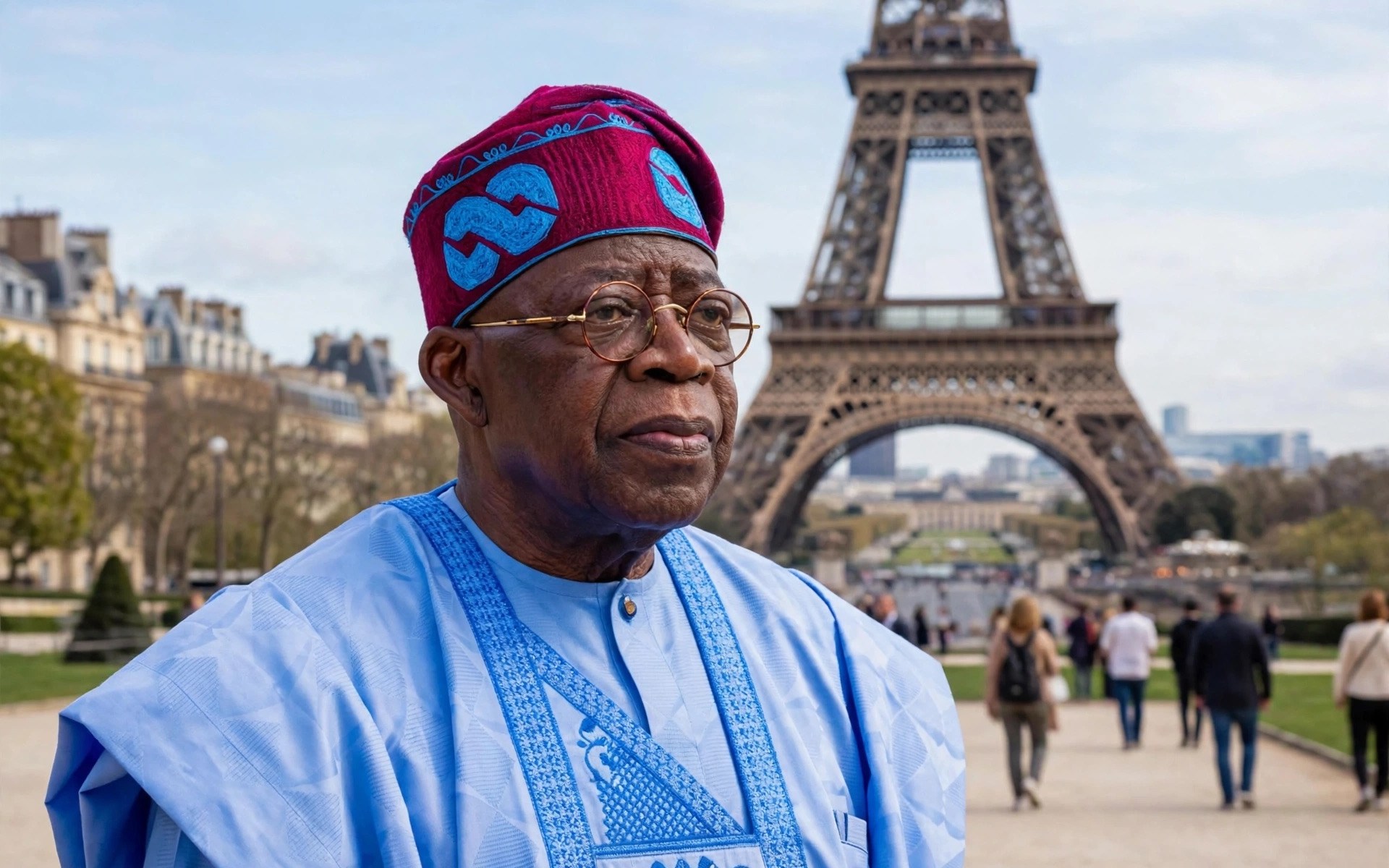
NIGERIA has a disturbing habit of allowing those in power to treat constitutional restraints as inconveniences rather than obligations. Once again, the country is confronted with questions over presidential absence, constitutional compliance and the willingness of its institutions to hold the powerful to account.

The 3pm Call: America’s Midterm Test of Judgment

It was 2008. The country was being asked to choose a president, and Clinton’s famous campaign advertisement presented the image of sleeping children, a ringing telephone in the White House and a question: Who do you want answering the phone?

Was there a ledger to square: Britain’s rule in Nigeria by Lawson Akhigbe

The late Sam Mbakwe, first civilian governor of Imo State and a man whose impatience with mediocrity remains legendary, once declared that he would gladly invite the British back to rule Nigeria for another fifty years. Other politicians have echoed the sentiment over the decades, usually after another round of epileptic power, collapsed roads, or the discovery that the latest “transformation agenda” had transformed mainly the bank balances of its authors. The quip is usually delivered with a sigh, half-joke, half-confession: better the colonial taskmaster who at least kept the trains roughly on time than the indigenous ones who treat the national timetable as optional reading.