


The Billionaire’s Windfall, Courtesy of the Poor
Every so often a state government invents a policy so novel that the law has not yet had time to catch up with it. Zamfara has done this and, with admirable efficiency, skipped the part where anyone checks whether the law would permit it.
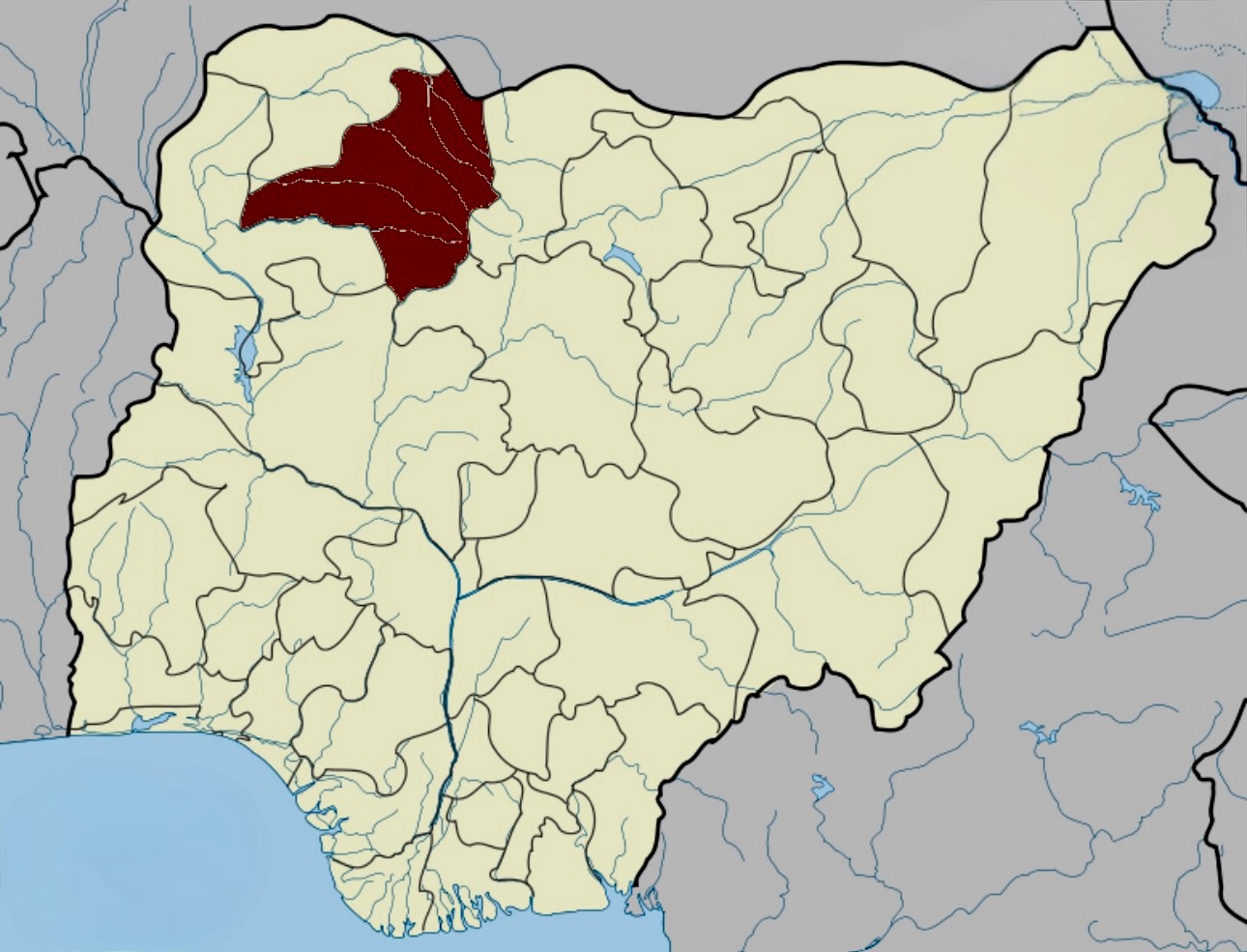
The state government says it has approved a plan to give 36,176 residents shares in the Dangote Group in the name of financial inclusion and economic empowerment. Each beneficiary is to receive about 20 shares through the Dangote IPO, run jointly by the ministries of Humanitarian Affairs and Finance and the Zamfara Investment Company. The tone is philanthropic. The reported breakdown doesn’t add up: 2,261 beneficiaries in each of 13 LGAs plus 4,522 in Gusau comes to 33,915, not 36,176, a gap of 2,261. The arithmetic is not yet in evidence.
The Questions the Press Release Forgot
A statement of this kind answers questions the way a magician answers them: by directing your attention elsewhere. The statement gave no share price, no total investment figure and no mechanism for getting shares into beneficiaries’ hands. That is not a small omission. It is the whole policy.
Begin with the money. A state does not own a purse into which the governor may dip at whim. Sections 120 and 121 of the 1999 Constitution require that public funds leave the Consolidated Revenue Fund only on the authority of a law, and that spending follow appropriation by the House of Assembly. Neither the statement nor any reporting I could find identifies the appropriation, the enabling law or the House resolution behind this programme. If shares are being bought with public funds, the legislature should be able to point to the line item. If they are not, someone should say whose money it is.
Then the return. If the state is spending public money to hand private citizens equity in a private company, the state has converted a public asset into private holdings and taken nothing back. The dividends, should the company pay any, flow to individuals. The Treasury receives gratitude, which unfortunately cannot be banked. A government that wished to invest on its citizens’ behalf could hold the shares through the Zamfara Investment Company and retain the dividend stream for schools and clinics. Distributing them to individuals is the one design that guarantees the state sees no return.
Then the tax. Is a share allocation a taxable benefit in the recipient’s hands? Are dividends subject to withholding? Does the state, as donor, have obligations of its own? These are unglamorous questions, and unglamorous questions are precisely the ones a lawful scheme answers in advance. This one has not.
The Matter of Who Gets to Be Fortunate
The ministry has told us the beneficiaries come from all 14 local government areas, with 2,261 allocated to each of 13 LGAs and 4,522 to Gusau. That is a tidy formula, until you notice it ignores population entirely and, as noted, does not even sum to the headline number. More to the point, it says nothing about how an individual is selected. Who compiled the list? On what criteria? Is there an appeal for the person who wasn’t chosen? In a state where the governor’s office is the nearest thing to a gateway for patronage, a list of 36,176 lucky names with no published selection rules looks less like inclusion than like a very large constituency mailing list.
It is worth recalling how the state has described itself. Governor Lawal told an audience in Abuja that Zamfara was bankrupt when he took over. He has also pleaded with the federal emergency agency for help, citing the devastation banditry has inflicted on agriculture, markets and productivity. This is the same state whose schoolgirls were abducted in their hundreds: 279 were taken from a boarding school in Jangebe in February 2021. A state that is simultaneously bankrupt, besieged and shopping for blue-chip equity for 36,176 residents is performing a rather ambitious feat of fiscal acrobatics.
Compare it with the state’s cash transfer scheme, in which the World Bank finances N75,000 payments to hundreds of thousands of beneficiaries. That programme has a donor, a framework and a published scale. The Dangote shares have a press release.
Verdict
Nobody should begrudge a Zamfara trader owning twenty shares in an enterprise that might one day pay them something. The grievance is with the method. A government that wants to put assets in its citizens’ hands must show the law, show the funding, show the selection criteria, show the tax treatment and show what the state keeps. Until then, what we have is a very large transfer of attention from a poor state to a very rich man’s IPO, with the legal basis kept discreetly out of sight.
The House of Assembly has a simple task: ask for the paperwork. Zamfara’s citizens have been asked to take a great deal on trust. They are entitled, at the very least, to a receipt.

