

Remember Enya Egbe? The young medical student who fled his anatomy lab in tears after recognising the cadaver on the table as his friend Divine, bullet holes and all, the one they used to hit the clubs with? That 2017-ish horror story (the original piece landed amid the long shadow of such practices) was never just about one traumatised student or one unlucky night out. It was a mirror held up to a system that treats Nigerian bodies, living or dead, as disposable raw material. Fast-forward to 2026, and the reflection has barely fogged over. The disrespect remains the operating system.
The old math was brutal: a 2011 study found more than 90% of cadavers in Nigerian medical schools were “criminals killed by shooting,” code for young men (mostly 20-40, overwhelmingly male, lower socio-economic class) shot by security forces, their bodies quietly transferred as “unclaimed.” Zero voluntary donations. Professor Emeka Anyanwu noted a decade later that little had changed. A 2025 examination of West African universities confirms the continuity. Across the region, 63% of bodies for anatomy education come from unclaimed or unidentified sources, many abandoned in hospitals or mortuaries. Nigeria stands out: it still uses unclaimed and unidentified bodies, a trickle of donated ones, purchased bodies (yes, purchased, from within the country), some imported from other states, and the bodies of executed persons, the only country in the surveyed West African cohort still doing so. The percentage of those classic bullet-riddled “executed” cases has reportedly dropped from the old 80-90% range, but the pipeline of the discarded has not dried up.
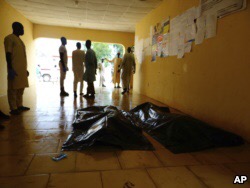
Body donation programmes remain largely theoretical. Only a couple of institutions in Ghana have anything resembling one. In Nigeria, cultural and spiritual barriers, beliefs about the afterlife, the body as vessel, communal ties, keep voluntary bequests near zero in many regions, including Alaigbo where anatomists themselves show limited enthusiasm for donating. Anatomy teachers in the South-west report awareness of shortages and some openness to bequest ideas, but the system still runs on the unclaimed. Mortuaries overflow. In Abuja’s University Teaching Hospital, refrigerators fail, bodies pile up (capacity for 50, reality near 200), chemical embalming becomes the stopgap, and periodic disposals of abandoned corpses follow “due process.” Oyo State in mid-2026 issued a seven-day ultimatum for families to claim corpses brought in by police, FRSC, and correctional services, or face mass burial. Congestion is the polite word; disregard is the accurate one.
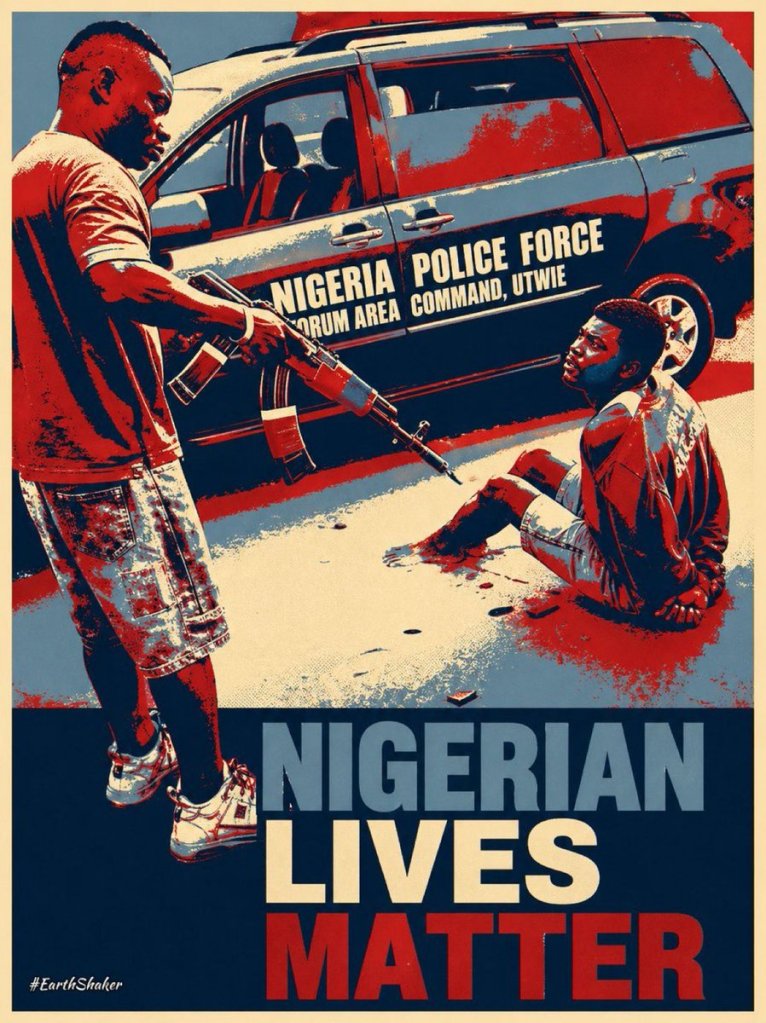
The #EndSARS judicial panels that followed the 2020 protests were supposed to interrupt this cycle. Some states paid compensations. Lagos, Bayelsa and others handed out hundreds of millions of naira in awards. Many victims and families remain unpaid or unaccounted for years later. Bodies still vanish into the system. A journalist missing since the protests was only confirmed via DNA in a Lagos mortuary in 2026. The Red Cross still tracks around 17,000 active missing-persons cases. Extrajudicial killings and forced disappearances do not stop producing the raw material that ends up under the scalpel or in a mass grave.
There are tiny cracks of light. Veteran filmmaker Ola Balogun, facing illness in 2026, publicly directed that his organs go to those who need them and the rest of his body to medical schools for training, a rare, deliberate bequest rooted in the idea that the remains should still serve the living. Some schools experiment with Thiel embalming or even virtual dissection tables to stretch scarce resources and reduce reliance on physical bodies. Anatomists continue lobbying for better legislation: full records, family consent where possible, and genuine encouragement of donation. Yet the structural preference remains for the unclaimed and the “criminal.”
This is not merely a cadaver shortage. It is the logical extension of a governance style that treats certain Nigerian (and by extension African) lives as provisional. What you do to the dead, you will do to the living. When the state can shoot, disappear, or simply abandon a young man after a night out and later hand his body to a teaching hospital without a ripple of accountability, the living get the message. Their bodies are already in the supply chain. Police vans once unloaded bloodied loads at medical-school mortuaries; the language of “ambulance duty” for dumping the tortured still echoes in old testimonies. Private mortuaries learned to refuse the strong-arming. Government ones keep receiving.
The satire writes itself, except it is not funny. Medical students still need to learn anatomy. Science advances on human tissue. But when the primary source is the discarded poor, the shot “suspect,” the unclaimed accident victim whose family was never properly notified, the education itself is stained. A society that cannot honour its dead will not protect its living. The bullet holes on Divine’s chest were not an anomaly; they were a curriculum.
Nearly a decade later, the association of anatomists still pushes for change, a few individuals choose donation, technology offers partial workarounds, and overcrowded mortuaries still plan mass burials after brief notices. The operating principle has not shifted: Nigerian bodies remain convenient when inconvenient. Respect is still the rarest commodity in the lab, the mortuary, and the streets. Until that changes, every new medical graduate will carry a quiet knowledge of where some of their teachers’ teaching aids came from, and what that says about the value of the living who look just like them.

