What Are African Governments For? Signing Away the Future for a Handful of Beads and a Pat on the Head by Lawson Akhigbe
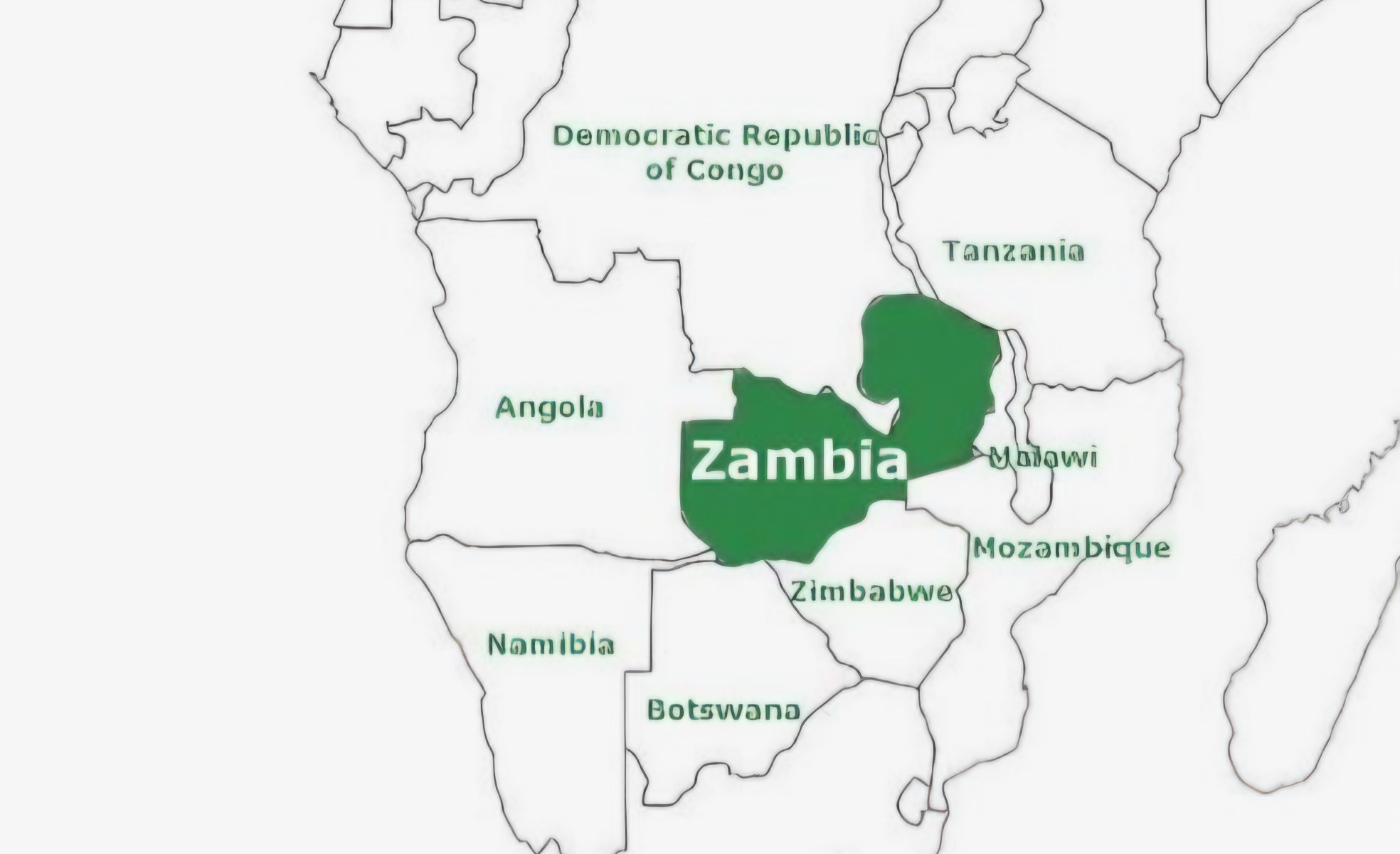
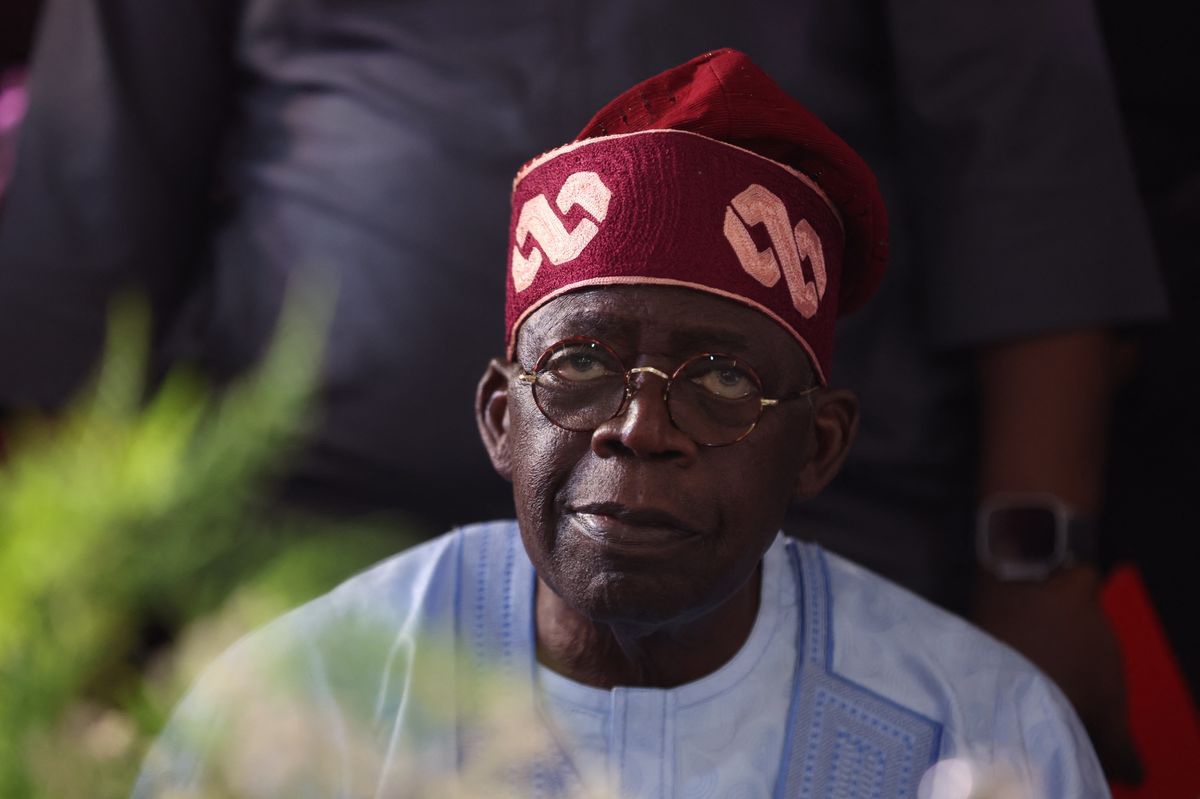
Ah, the grand theater of African governance: where leaders strut onto the global stage like proud peacocks, chests puffed with sovereignty slogans, only to quietly sign treaties that make Faust look like he got a sweetheart deal. "What are we for?" one might ask, staring at the latest headline. Apparently, we're for turning national healthcare into a garage sale, where human lives are the loss-leader to snag some fleeting foreign currency and a photo-op with a donor. Exhibit A: Zambia and the PEPFAR saga a masterclass in how aid dependency isn't charity; it's a Trojan horse with excellent PR.

Nigeria’s Ideological Desert: When Politics Stopped Standing for Anything by Lawson Akhigbe

From Awolowo to Ahmadu Bello, Azikiwe to 1999, Nigeria travelled from ideological competition to a political marketplace where the loudest principle is often self-interest.

“The suave man drives a Range Rover but is penniless” reflections on living in Lagos by Chimamanda Ngozi Adichie

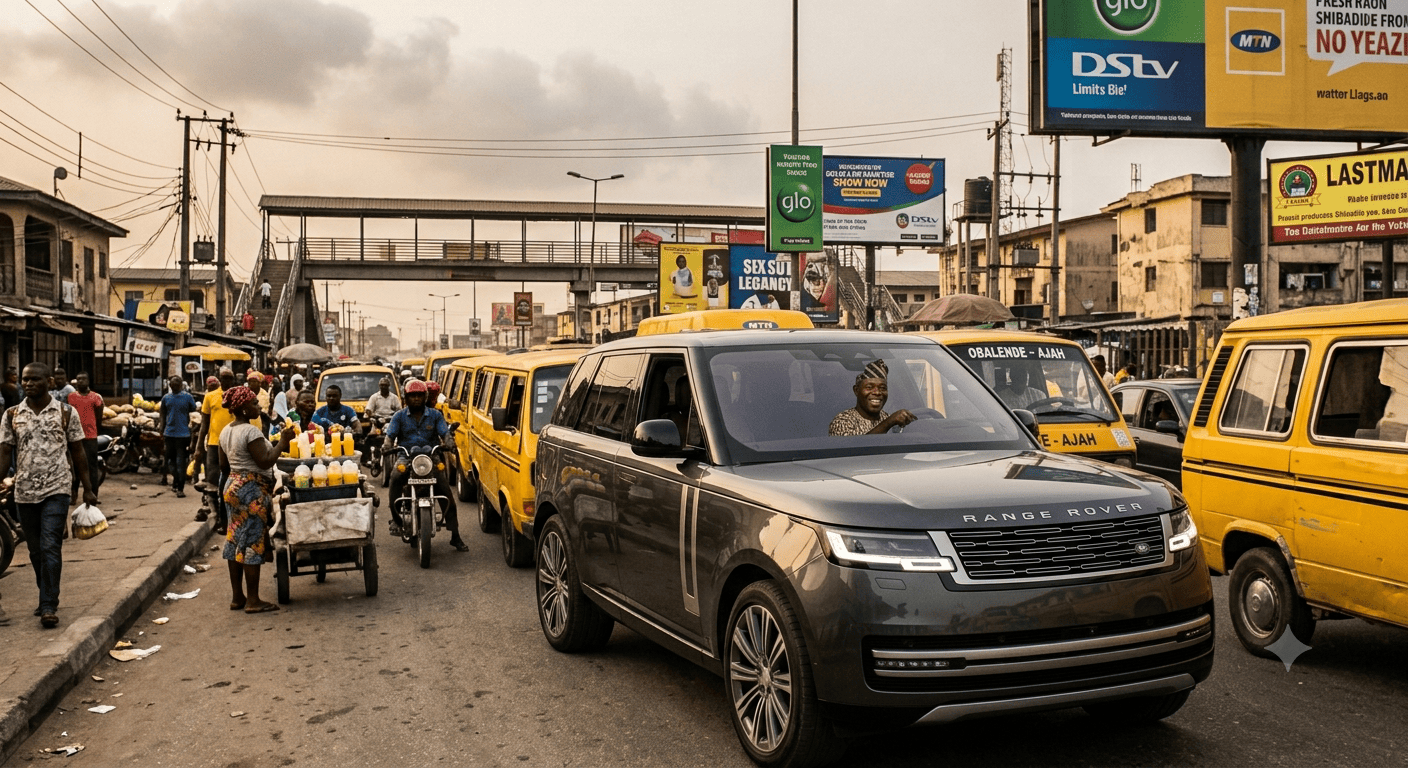
Lagos will not court you. It is a city that is what it is. I have lived part-time in Lagos for 10 years and I complain about it each time I return from my home in the US — its allergy to order, its stultifying traffic, its power cuts. I like, though, that nothing about Lagos was crafted for the tourist, nothing done to appeal to the visitor. Tourism has its uses, but it can mangle a city, especially a developing city, and flatten it into a permanent shape of service: the city’s default becomes a simpering bow, and its people turn the greyest parts of themselves into colourful props. In this sense, Lagos has a certain authenticity because it is indifferent to ingratiating itself; it will treat your love with an embrace, and your hate with a shrug. What you see in Lagos is what Lagos truly is.

The MAGA-isation of Mike Rogers: From National Security Republican to Identity Politics Warrior By Lawson Akhigbe

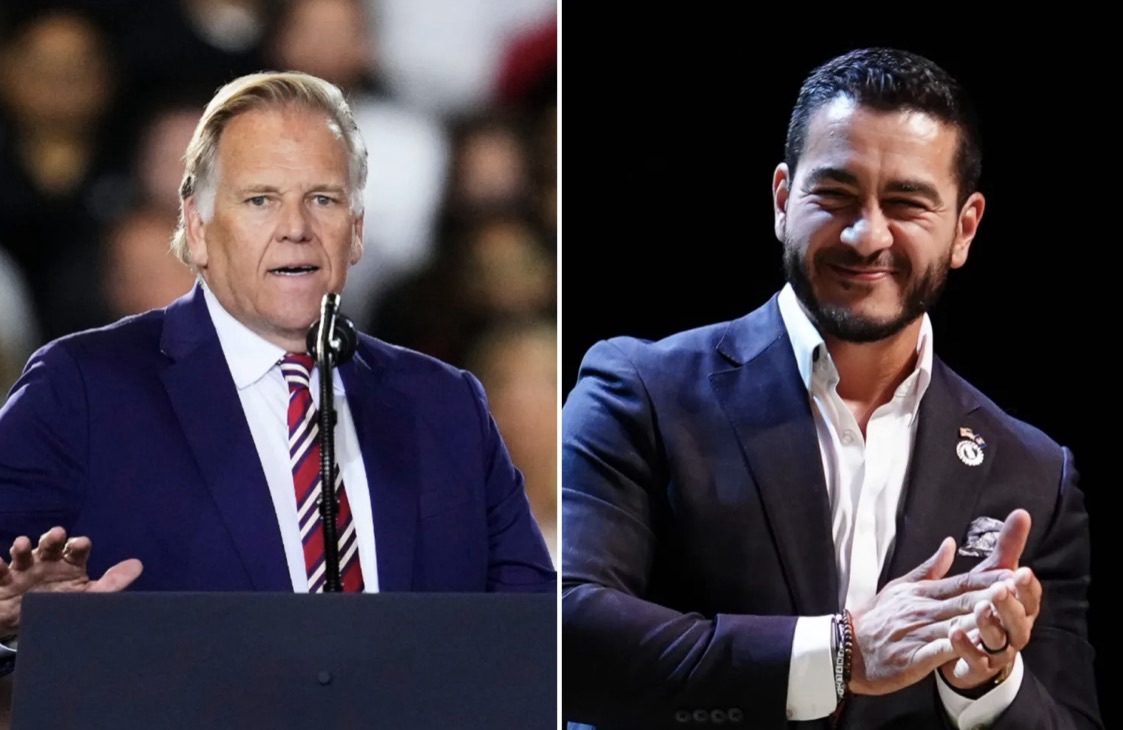
There was a time when Mike Rogers occupied a particular place in my understanding of American politics. He appeared to belong to that category of Republican politicians who, whatever their ideological differences with Democrats, understood that national security was too serious a business to be reduced to partisan theatre. He was measured, disciplined, informed and, above all, appeared to be a man who understood the difference between intelligence work and political propaganda.

The Insignia of Power: Tinubu, Trump and the Politics of Emptiness by Lawson Akhigbe

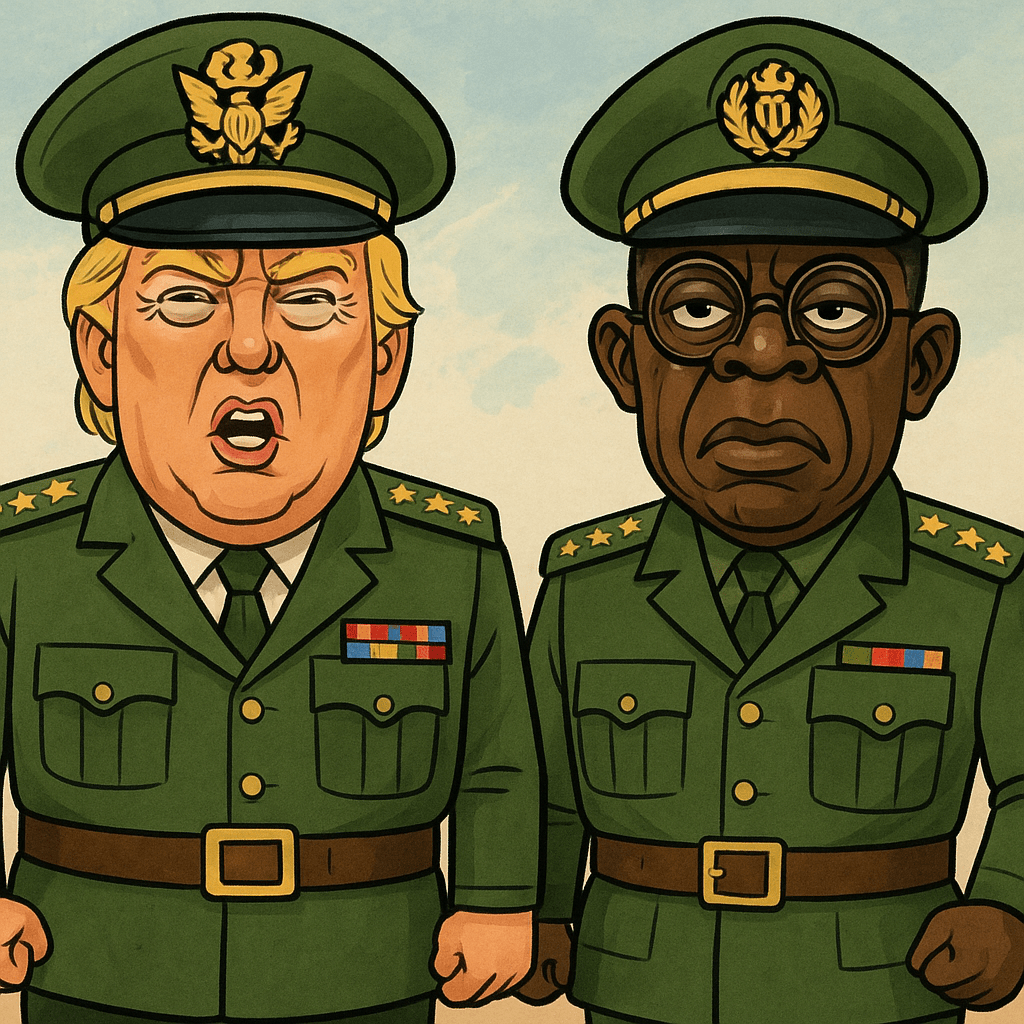
When a leader becomes more interested in the symbol of his authority than the substance of his government, politics begins to resemble a cult. The insignia becomes the message, the slogan becomes the policy, and the citizen is expected to admire the packaging while living with the consequences.