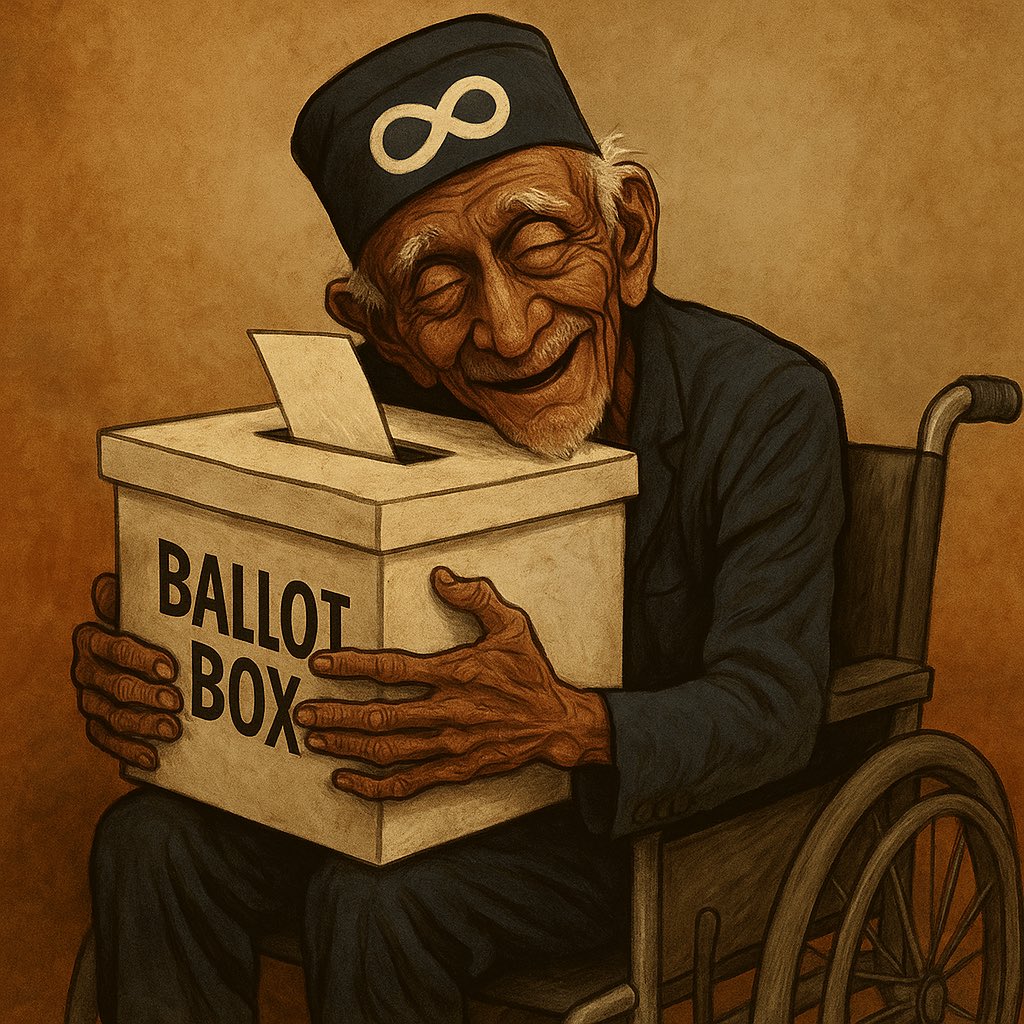
Nigeria turns 66 today, and the mood is not celebratory. Sixty-six years is long enough for a nation to have settled into itself. This one still feels suspended between promise and disappointment.
NATIONS, TRIBES, AND THE GRAMMAR OF EMPIRE: On why the Scots get a parliament and the Yoruba get an anthropologist By Lawson Akhigbe
Scotland has a parliament, a flag, a football team that loses with tremendous dignity, and roughly the population of Lagos’s Ikeja Local Government Area. The Yoruba nation and I use the word advisedly has an empire’s worth of history, a written and oral constitutional tradition running from Ile-Ife through the Oyo Mesi and the Alaafin’s checks and balances, a diaspora spanning three continents, and something in the region of forty million native speakers. One of these is routinely described in the Financial Times as a nation debating its constitutional future. The other is routinely described, by the same publication, as a tribe engaged in an ethnic dispute. I invite the reader to spot the empirical difference. I have been looking for thirty years and have found only prejudice wearing a monocle.

When Your Elected Officials Subcontract Their Jobs to Heaven by Lawson Akhigbe
When your elected officials subcontract their jobs to the celestial being, then you know you marked the wrong column
The Monumental Ego: How Trump and Tinubu Turn Public Infrastructure Into Personal Billboards By Lawson Akhigbe
There was a time when nations had the decency to wait until a leader was safely six feet under or at the very least, out of office before plastering their name across state infrastructure. The unspoken rule of public memorials used to be simple: let history render its verdict first. If your legacy survived the passage of time without decaying into scandal, perhaps the state would name a secondary school or a modest bypass after you.
Burnham’s Strategy: Manchesterism Meets the Politics of Looking Busy
Andy Burnham did not inherit a government so much as a stage set. After years of mayoral apprenticeship in Greater Manchester, he arrived in Downing Street with a ready-made philosophy called “Manchesterism” and a clear preference for the photographable over the structural. The high-street crackdown is not an aberration. It is the strategy in miniature.