The Legislature does not check the Executive; it curtsies, takes notes, and asks the Executive what time it should pack its bags.
The “Hero” of the Rubber Stamp: How Nigeria’s Separation of Powers Became a One-Man Show by Lawson Akhigbe



Reporting News and opinions
The Legislature does not check the Executive; it curtsies, takes notes, and asks the Executive what time it should pack its bags.

What’s a conspiracy theory you actually find believable? For a conspiracy, I am patient enough to find real outcomes.

There is a peculiar comfort in cartography. Draw a line around a catastrophe, label it, and it becomes something one can point to on a map rather than something one must answer for. Africa, in the twenty-first century, has been organised into four such catastrophes with the tidiness of a continental league table the Great Lakes, the Horn, the Sudans, and the Sahel each running its own fixture list of massacre, displacement and denial, each independently promoted from "concern" to "crisis" to "protracted emergency" without ever being relegated back down to "peace."
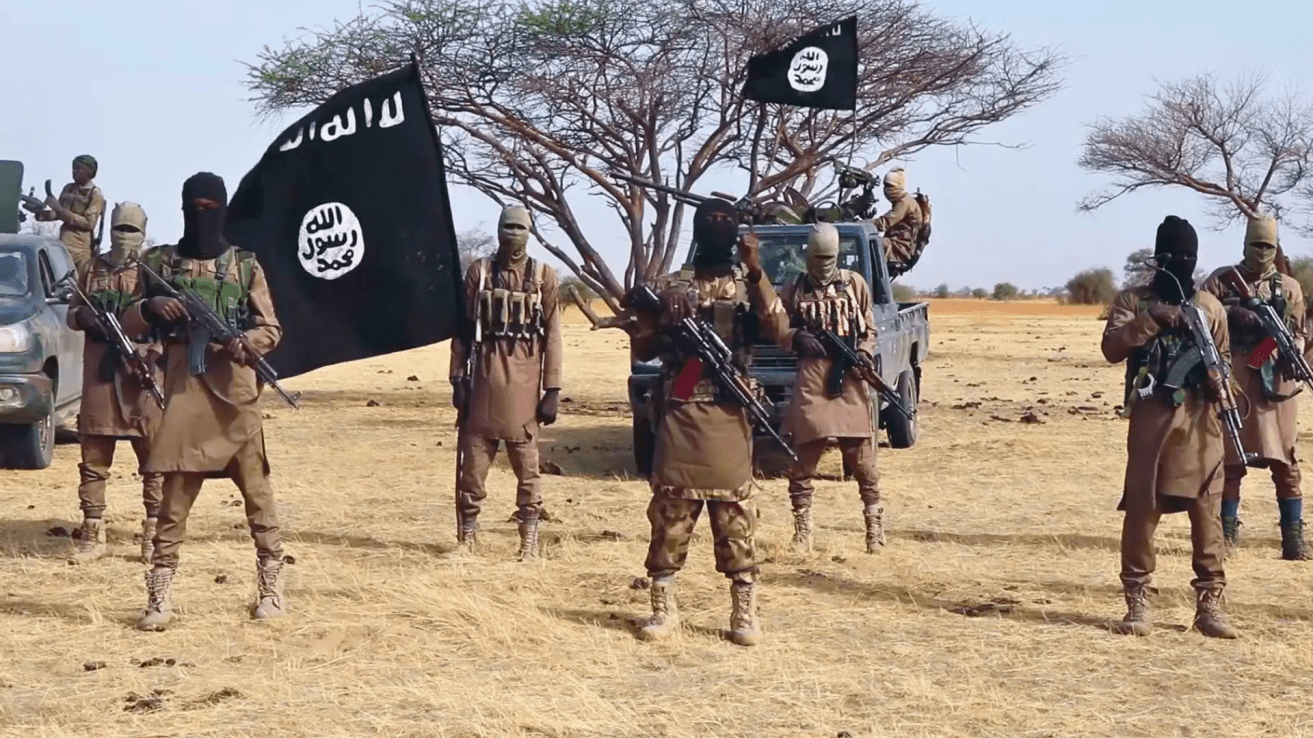
Climate impacts disrupt fundamental human needs and systems, generating indirect pathways to insecurity:
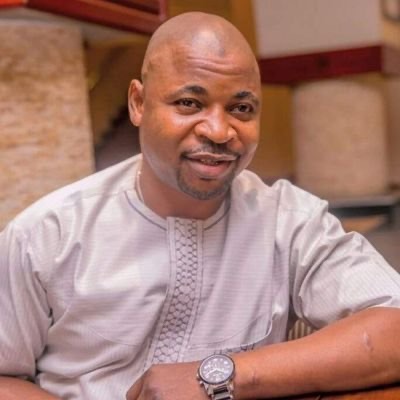
MC Oluomo, born Musiliu Ayinde Akinsanya on March 14, 1975, in Oshodi, Lagos, embodies a classic rags-to-riches narrative intertwined with the raw mechanics of street power, union politics, and partisan loyalty in Nigeria. His legacy is polarizing: celebrated by supporters as a self-made leader, philanthropist, and champion of transport workers, yet criticized by opponents as a symbol of thuggery, electoral intimidation, and impunity.

