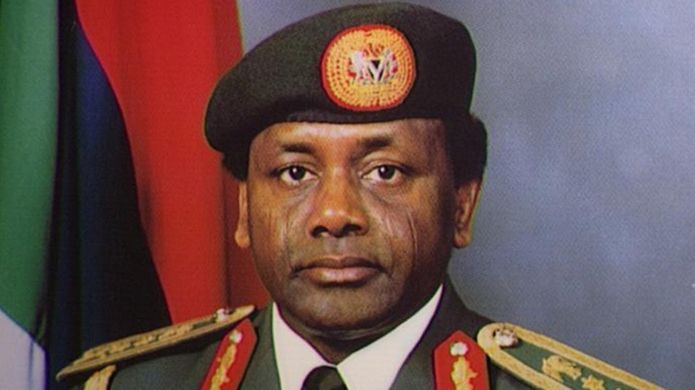
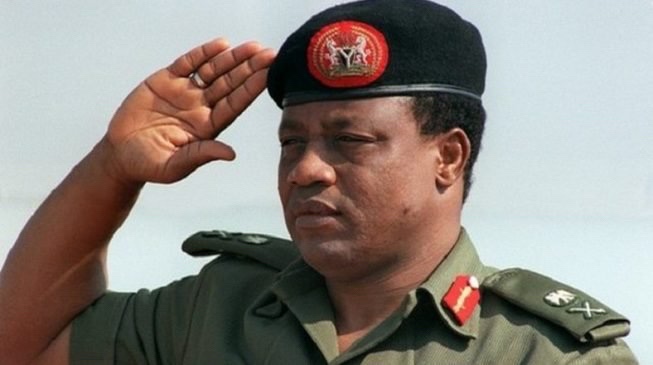
Abacha-Era Corruption: A Deep Dive into Nigeria’s Most Notorious Kleptocracy (1993–1998) by Lawson Akhigbe

This was enabled by authoritarian control: no independent legislature or judiciary, weak oversight, and a patronage network treating public coffers as extensions of personal or regime power. International complicity—lax due diligence by banks—facilitated laundering through U.S. institutions and bond deals.

Human Rights Violations Investigation Commission (Oputa Panel)

The Human Rights Violations Investigation Commission, popularly known as the Oputa Panel, remains one of the most significant yet controversial attempts at transitional justice in Nigeria's history.

THE COUP THAT ATE ITSELF By Lawson Akhigbe

How Major Gideon Orkar's abortive putsch of 1990 handed Sani Abacha the power base that would ultimately devour IBB's grand design for permanent rule and why no dictator should ever be grateful to his own saviour.

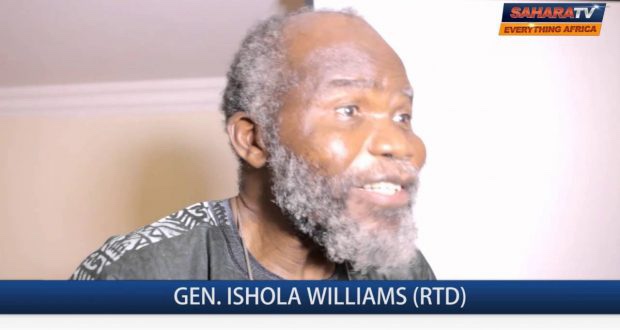
Nigeria’s “Poorest General” and the Cost of Elite Corruption

In 1993, during the dark days following the military takeover that brought Sani Abacha to power, one Nigerian Army officer took an unusual step. Instead of consolidating his position within the new regime, he walked away.

“l did not kill him, he died on top of me,” says mistress of late Head of State Gen. Sani Abacha by Emmanuel Oladesu

“I did not kill him, he died on top of me,” that was the confession of the lady who was with former military Head of State, Gen. Sani Abacha, when he suddenly passed on.