In the grand theatre of Nigerian politics, where truth occasionally stumbles onto the stage like an uninvited guest who has had one too many, Alwan Hassan has just delivered a masterclass in accidental honesty.
What You Do to the Dead, You Will Do to the Living: Still Disregarding Nigerian Bodies, Nearly a Decade On by Lawson Akhigbe
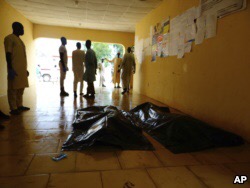
Remember Enya Egbe? The young medical student who fled his anatomy lab in tears after recognising the cadaver on the table as his friend Divine, bullet holes and all, the one they used to hit the clubs with? That 2017-ish horror story (the original piece landed amid the long shadow of such practices) was never just about one traumatised student or one unlucky night out. It was a mirror held up to a system that treats Nigerian bodies, living or dead, as disposable raw material. Fast-forward to 2026, and the reflection has barely fogged over. The disrespect remains the operating system.
Philanthropy, Public Grants, and the Law: Decoding the Mechanics of the Dangote Refinery IPO Partnership by Lawson Akhigbe
When major corporate milestones unfold, they often bring complex legal questions in their wake. Recently, discussion has swirled around whether public-private partnerships involving state governments and philanthropic foundations to buy shares in the historic Dangote Petroleum Refinery and Petrochemicals Initial Public Offering (IPO) run afoul of corporate laws—specifically regarding a company financing its own shares.
The fight to uncover the Nigerian president’s FBI files by Adrian Elimian
Nigeria’s president is locked in a fierce reelection battle — one that is not just playing out among voters ahead of January polls, but pitting teams of lawyers and lobbyists against a lone litigant half a world away in California. Remarkably, this latter-day David just won a significant victory over Goliath.
Tinubu’s extended absence by Punch Editorial Board
NIGERIA has a disturbing habit of allowing those in power to treat constitutional restraints as inconveniences rather than obligations. Once again, the country is confronted with questions over presidential absence, constitutional compliance and the willingness of its institutions to hold the powerful to account.