For years the International Criminal Court has operated like a colonial-era court with better stationery and a more solemn logo. The docket groaned under the weight of African cases while the architects of certain adventures in Libya, Iraq, and beyond somehow remained mysteriously unburdened by the same enthusiastic pursuit of accountability. The rule of law, we were solemnly told, was universal. The application, it turned out, was rather more exclusive.
The Law Is a Blunt Instrument by Lawson Akhigbe
In the fearful months and years following the terrorist attacks of 11 September 2001, Western democracies faced an unenviable dilemma. Their citizens demanded protection from an enemy that recognised no borders, wore no uniforms and deliberately targeted civilians.
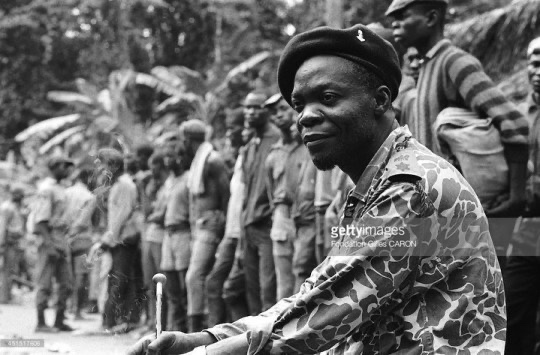
The Legend of “Hannibal”: How a civilian built the most feared reputation of the Biafran War
To the rank-and-file Biafran soldiers and civilians, he was "Hannibal" a fearless, bulletproof folk hero who rushed toward the frontlines when trained officers hesitated. To the regular Biafran High Command men who had formal military training in the Nigerian Army before the 1967 secession he was a loose cannon, a publicity hound, and an absolute nightmare of a disciplinarian.
IS Responds to Military Pressure in Nigeria
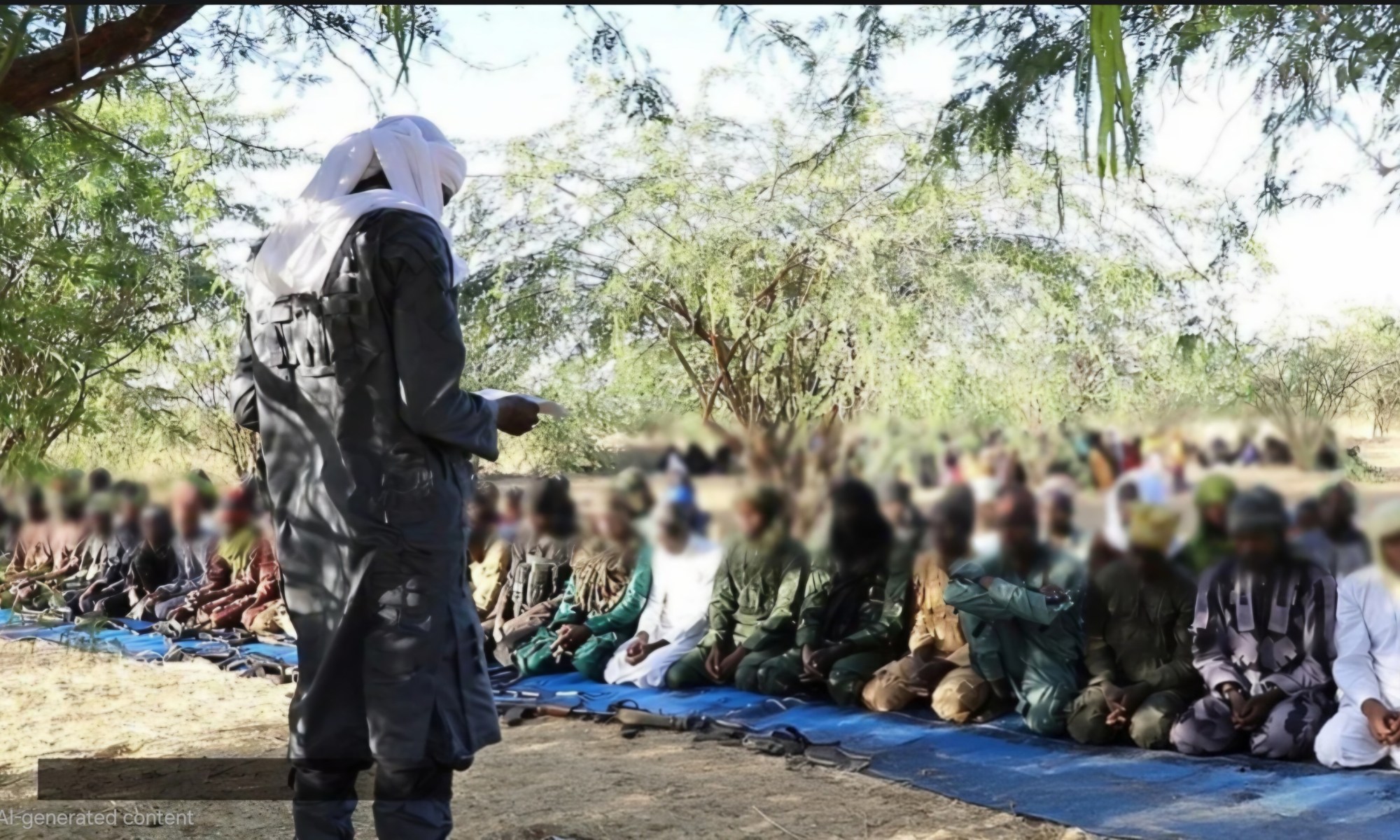
Despite Nigeria's assessment, the emerging consensus was that Lakurawa was not a unified entity but rather an umbrella term, and that attacks attributed to the group were likely perpetrated by a mix of Islamic State Sahel Province (ISSP). JNIM, bandits. and potentially a separate new group operating under the label without claiming responsibility.
Tinubu, the Sahel and Nigeria’s Most Dangerous Foreign Policy Failure
There was a time when Nigeria did not wait for foreign capitals to define West African security. From the anti-apartheid struggle in Southern Africa to military interventions in Liberia and Sierra Leone, Nigeria projected power, influence and diplomatic leadership. Whether one agreed with its methods or not, nobody doubted who was leading.