Scotland has a parliament, a flag, a football team that loses with tremendous dignity, and roughly the population of Lagos’s Ikeja Local Government Area. The Yoruba nation and I use the word advisedly has an empire’s worth of history, a written and oral constitutional tradition running from Ile-Ife through the Oyo Mesi and the Alaafin’s checks and balances, a diaspora spanning three continents, and something in the region of forty million native speakers. One of these is routinely described in the Financial Times as a nation debating its constitutional future. The other is routinely described, by the same publication, as a tribe engaged in an ethnic dispute. I invite the reader to spot the empirical difference. I have been looking for thirty years and have found only prejudice wearing a monocle.
Born Free, Housed First: Reform UK and the Return of the Birth Certificate as Political Document by Lawson Akhigbe
Reform UK has now taken that quiet administrative habit and turned it into an actual policy platform, delivered at a press conference rather than buried in a PDF. Deputy leader Richard Tice has confirmed the party will prioritise British-born workers under 35 for social housing, alongside military veterans and married couples with children, should Reform enter government. The pitch comes wrapped in an infrastructure promise, 50,000 affordable homes a year, financed, the party insists, without new taxes or borrowing, which is the political equivalent of promising a birthday cake that requires no oven, no flour and no birthday.

The ICC’s Selective Blindfold: Sharp Justice for Africans, Soft Landing for the Powerful by Lawson Akhigbe
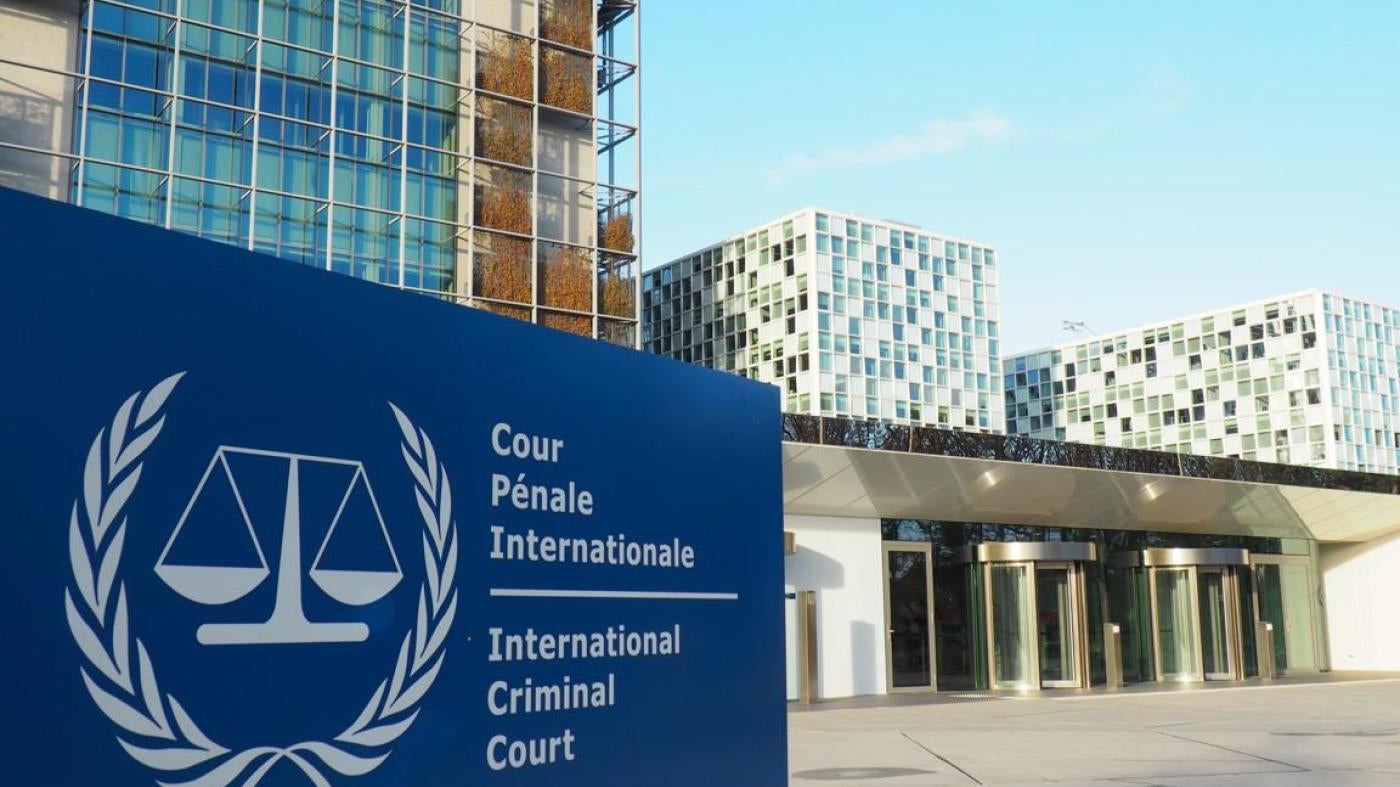
For years the International Criminal Court has operated like a colonial-era court with better stationery and a more solemn logo. The docket groaned under the weight of African cases while the architects of certain adventures in Libya, Iraq, and beyond somehow remained mysteriously unburdened by the same enthusiastic pursuit of accountability. The rule of law, we were solemnly told, was universal. The application, it turned out, was rather more exclusive.
The Silence of Friday: How J.M. Coetzee Flipped the Script on Robinson Crusoe
In 1986, South African Nobel Laureate J.M. Coetzee looked at Crusoe’s island and saw something entirely different: the blueprint for colonial trauma.