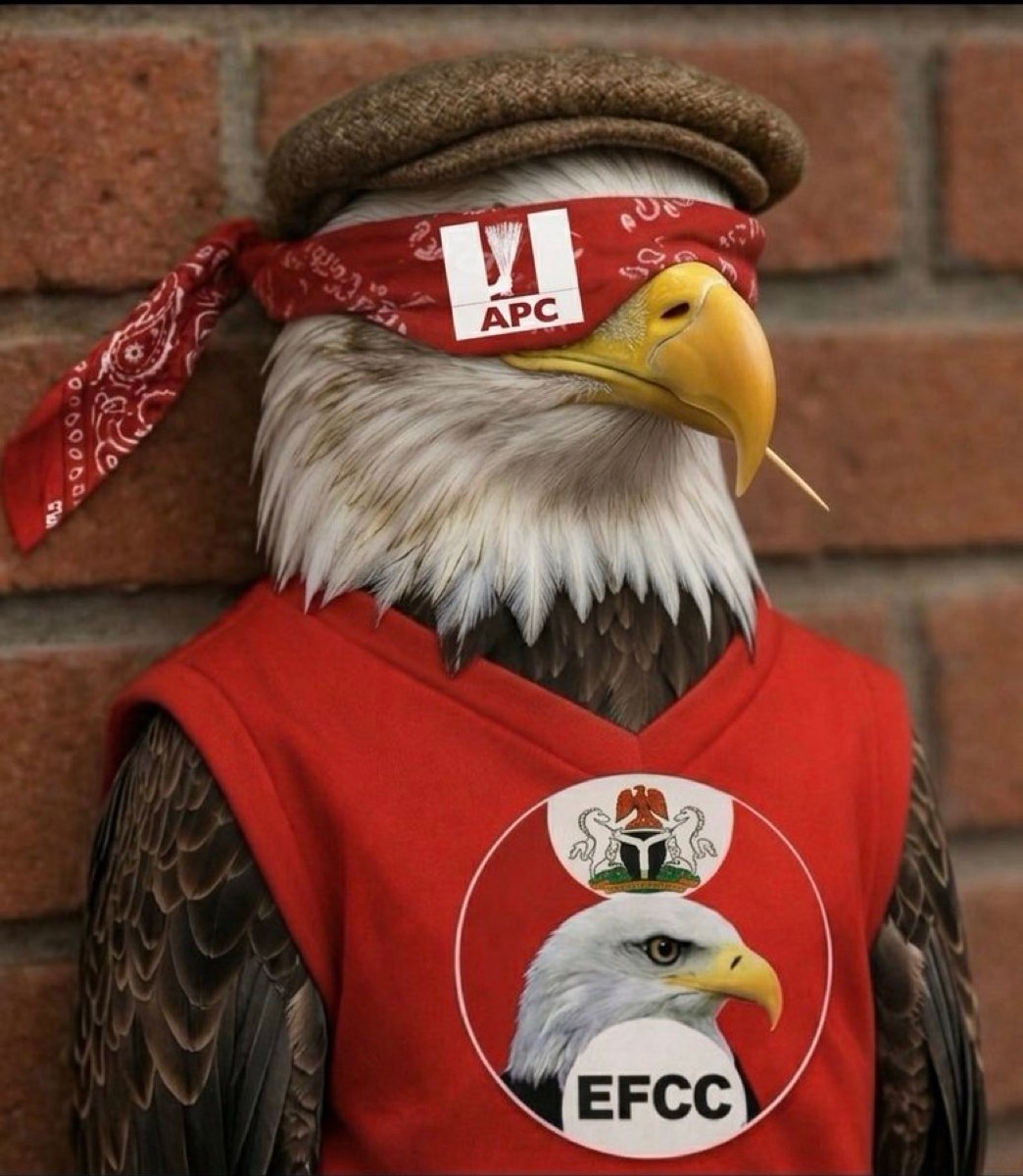
The 2006 EFCC watchlist was not, in retrospect, a prosecution document. It was and we can now say this with the authority of twenty years of evidence, a directory of the durable.
The Watchlist That Became a Guest List by Lawson Akhigbe


Reporting News and opinions
The 2006 EFCC watchlist was not, in retrospect, a prosecution document. It was and we can now say this with the authority of twenty years of evidence, a directory of the durable.
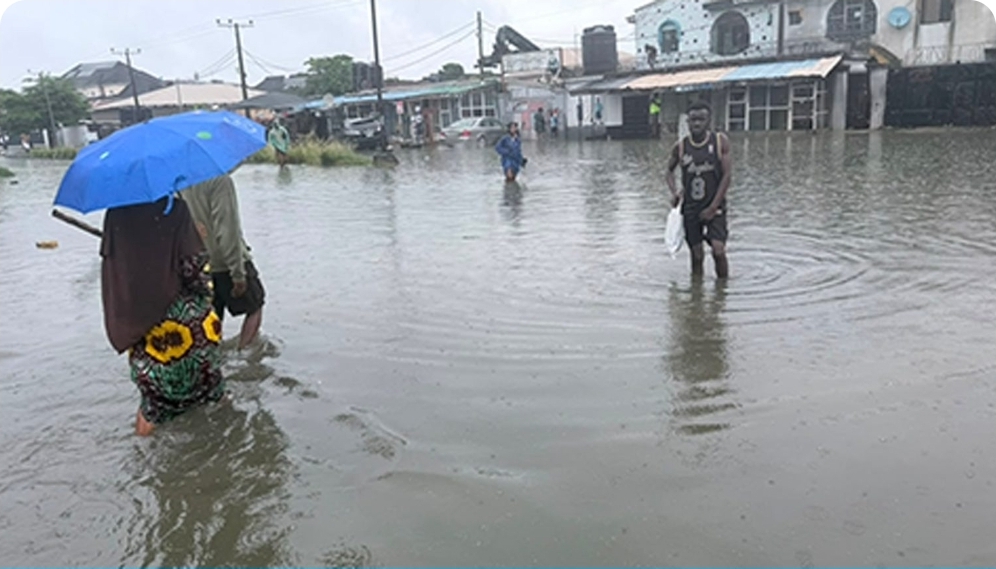
Street Professor Dave Umahi, Lagos, the Atlantic and the Missing Environmental Impact Assessmen
The Mechanics of Capture: How Nigeria’s Democratic Institutions Are Quietly Subverted From Within
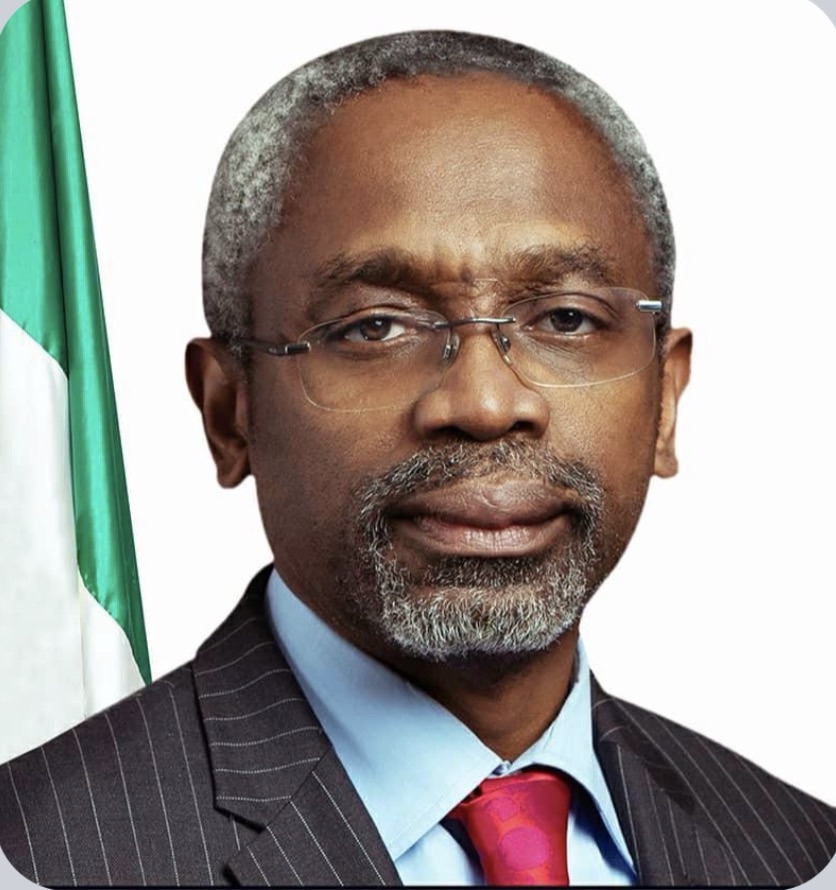
Who is Femi Gbajabiamila and what makes him thick. His legal and political career.
Jacob Zuma, a former South African President, is being blamed for South Africa's economic downfall. A mob in Durban, South Africa, has protested against Zuma, accusing him of corruption. The Zondo Commission, established in 2018, investigated allegations of state capture, corruption, and fraud in the public sector. The commission found that Eskom, a state-owned energy company, entered into irregular contracts worth R14.7 billion with entities linked to the Gupta family, Zuma's friends. This led to the diversion of Eskom's assets to the Guptas' financial advantage. The commission also found that key loyalists to Zuma and his party were placed in top positions at state-owned enterprises and law enforcement, while competent, honest officials were marginalised or fired. The result was the erosion of critical infrastructural enterprises like Eskom, Transnet, Prasa, and South African Airways. Institutional decay led to a loss of experienced human capital, decline in services, unreliable electricity and water supply, erratic revenue collection, and the decline of local governments. President Ramaphosa estimates that more than R500 billion was stolen during his predecessor's administration.

