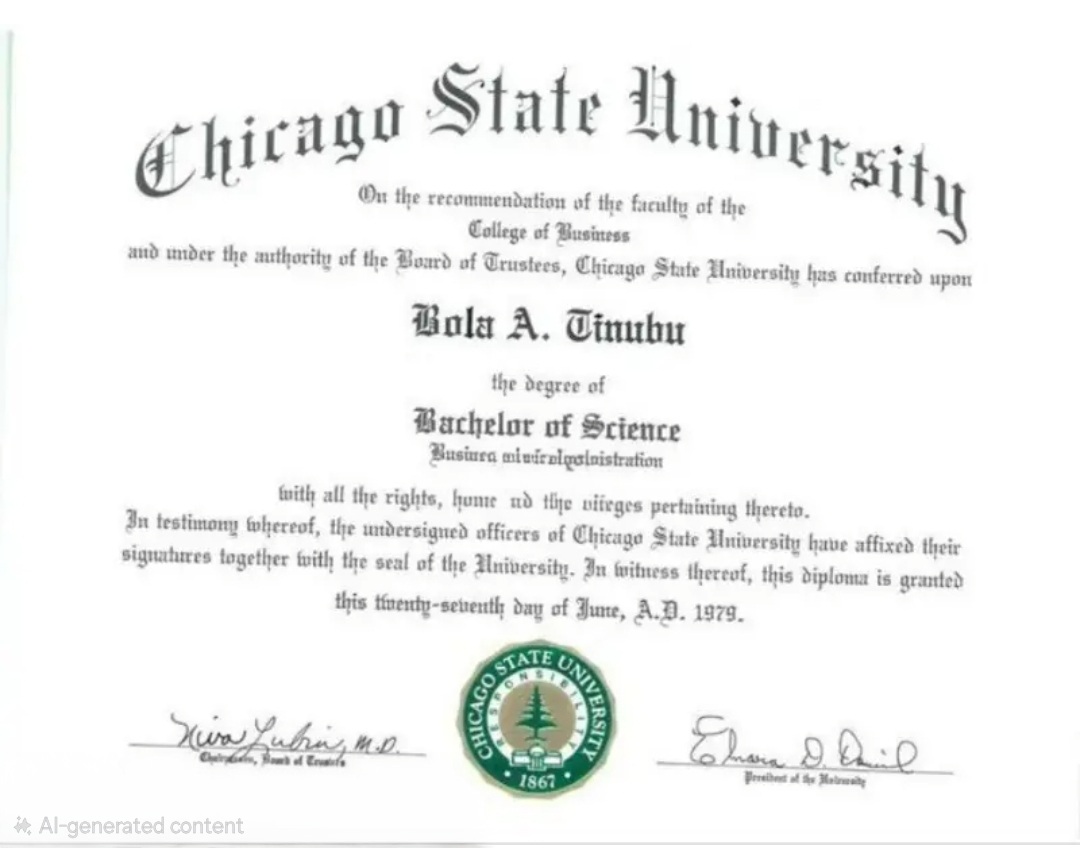
Armed with high-resolution scanners, magnifying glasses, and a fresh grievance, politicians comb through the educational credentials of their opponents. They obsess over font kerning, faint seals, and misaligned margins, convinced that somewhere between a crooked signature and an unreadable stamp lies the ultimate prize: getting the Supreme Court to invalidate millions of votes before lunch.
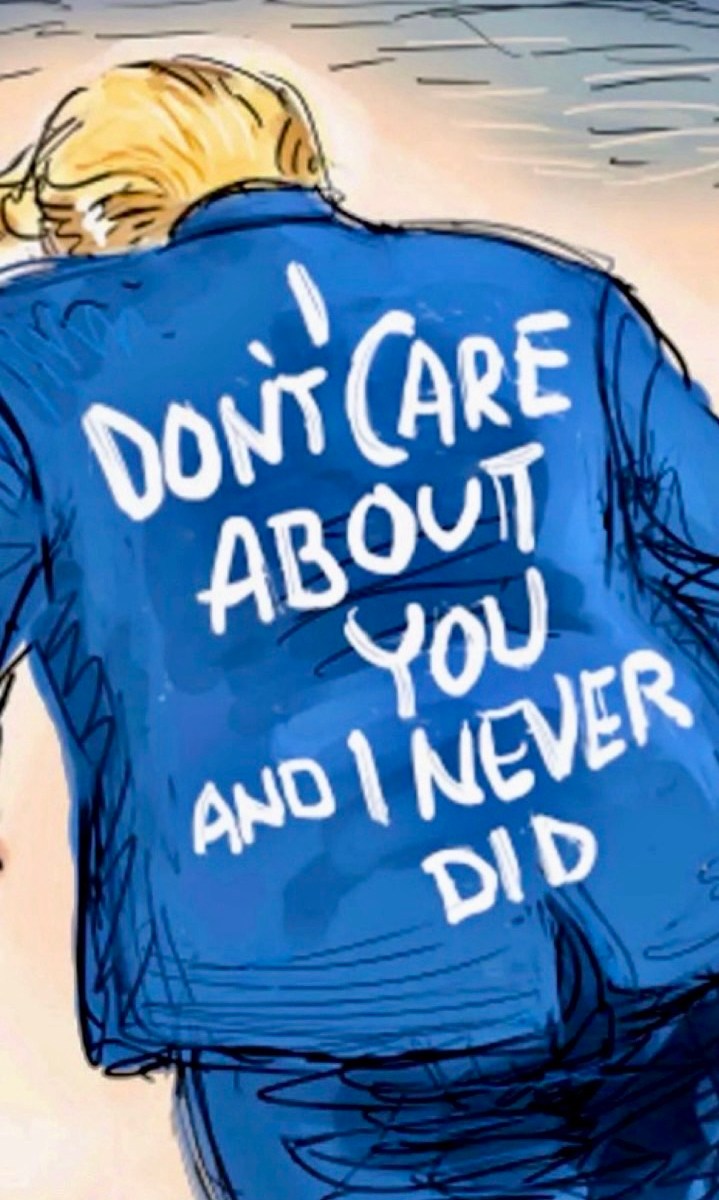
The American Constitution Was Never Designed for a President Who Treats Congress as Optional By Lawson Akhigbe
The framers of the United States Constitution expected conflict. They expected ambition. They expected rivalry between the executive, legislative and judicial branches of government.
THE TALE OF ONE HALF: ROCHAS OKOROCHA AND THE ARCHITECTURE OF PERFORMANCE By Lawson Akhigbe
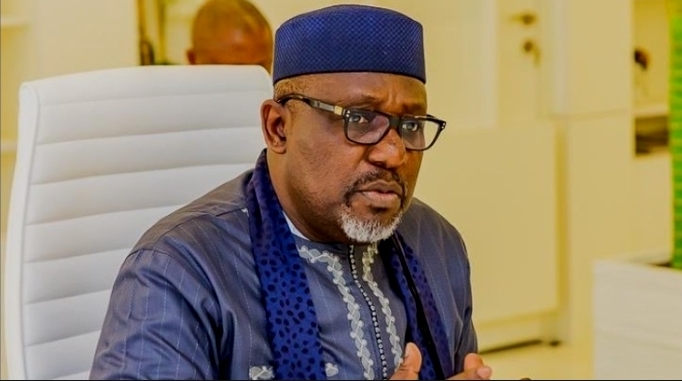
There is a particular Nigerian genius for building things that mean nothing, and calling it a legacy. Rochas Okorocha, who governed Imo State from 2011 to 2019 as though the office were a stage and the electorate a captive audience, remains the finest living exhibit of this genius. Eight years after he last held power, and years after the last echo of "Rochas the Liberator" faded from campaign jingles, his name now surfaces mostly in courtrooms, in denial statements issued by aides nobody asked for comment, and in the occasional bronze figure still standing in Owerri, weathering slowly in the rain like the promises that built it.
Profile and Political Legacy of Daniel Osikheme Orbih
Experienced business executive and political leader from Ogbona, Etsako Central Local Government Area, Edo State. Combined private-sector leadership with extended public and party service at state and national levels. Held traditional titles including Oduma of Uzairue and others recognising community contributions.
The Oil Curse Was Drafted Into Law: How Nigeria’s Petroleum Laws Turned National Wealth into Private Fortunes by Lawson Akhigbe with HistoricCapital
Dan Etete For decades Nigerians have been told that corruption in the oil industry is the product of weak institutions, bad leadership and poor governance. That explanation has become so familiar that many accept it without question. Yet the deeper problem may not be governance failure alone. The more troubling possibility is that parts of …