There is a peculiarly Nigerian brand of optimism that believes the Supreme Court exists to do the dirty work politicians were too distracted to handle during campaign season. Whenever an election outcome tastes like ash, the losing side inevitably sprints to the appellate bench clutching heavy binders, confident that the judiciary will casually unravel an entire presidential mandate on a crisp technicality.
A NATIONAL EMERGENCY PROCLAMATION (On the Capture of the Republic by Corruption, Procedural Acrobatics, and Other Lawful Nonsense) by Lawson Akhigbe
WHEREAS Section 14(2)(b) of the Constitution of the Federal Republic of Nigeria, 1999 (as amended) declares—perhaps optimistically—that “the security and welfare of the people shall be the primary purpose of government”;
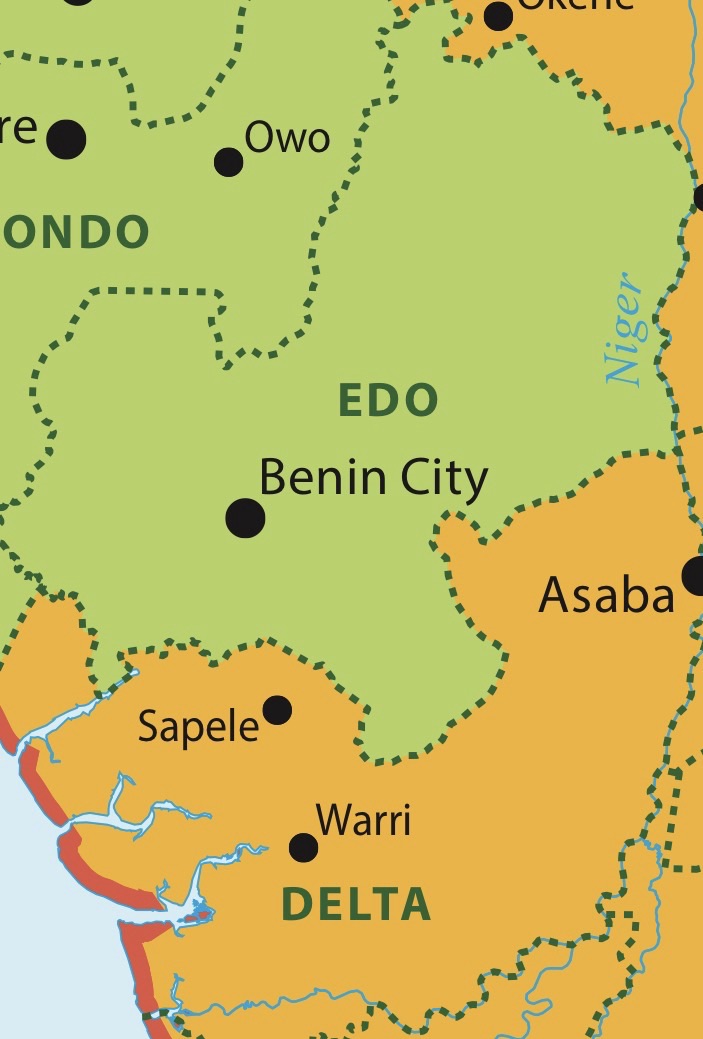
Edo State Moribund Local Governments — The Glorified Cashier by Lawson Akhigbe
The narrative above is replicated across the 774 local governments in Nigeria. The Supreme Court judgment on Local Government financial autonomy remains iced over in practice. State governors continue to treat local councils as administrative subsidiaries rather than an autonomous arm of government.
Exploring Transnational Justice Examples
Corruption cases often exemplify transnational justice because illicit funds flow globally via banks, real estate, and shell companies, enabling foreign courts to assert jurisdiction based on territorial links (e.g., money laundering in their financial systems).
How to Pay Less Tax Than Your Barista: A Billionaire’s Guide by Lawson Akhigbe
If you open your paycheck, you will notice a rather tragic recurring character named "Tax Deductions." Before you even get a chance to squander your earnings on overpriced oat milk or electricity, the government takes its slice right off the top. Forty percent, thirty percent, twenty percent, whatever bracket you land in, the tax collector behaves like an eager bouncer checking bags at the door. You earned a salary, so you pay up. Non-negotiable.